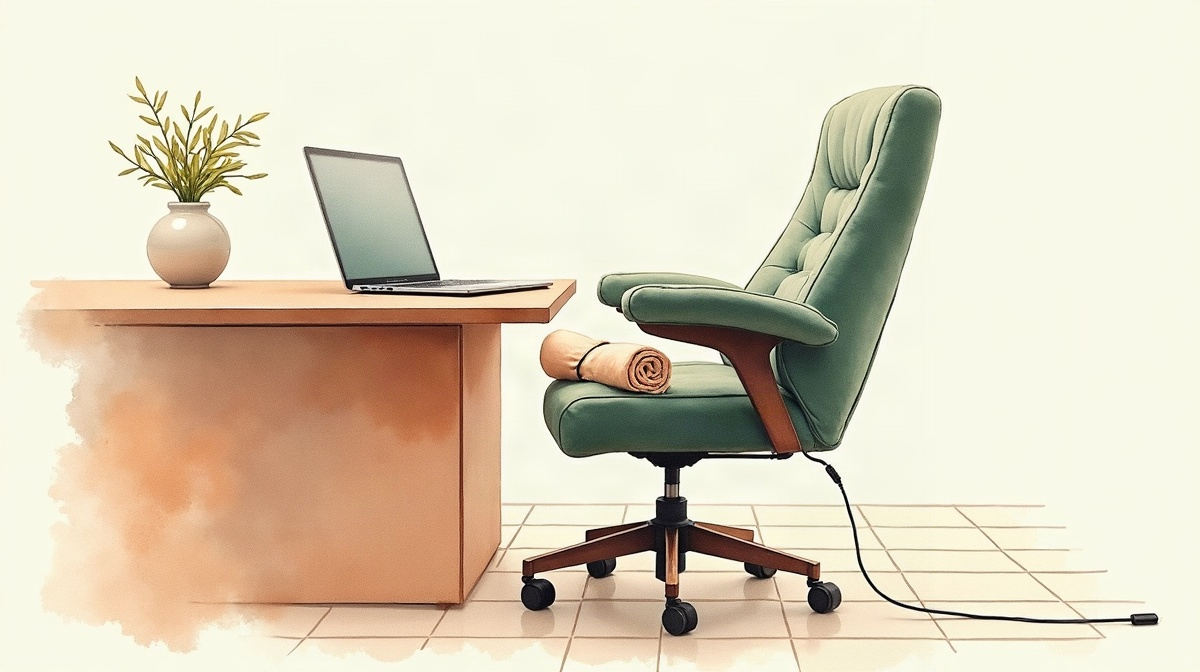
Back or knee pain rarely has one best therapy. Get safety checked. Counselling helps when fear, sleep loss, work strain, and brittle routines keep the ache loud after tests read fine.
Short answer. There is no single best therapy for back or knee pain. Choose a first door that matches your body and your week: a clinician to check what is safe to move, and counselling when fear, patchy sleep, work strain, and brittle routines keep the ache loud. You can add the other later without losing ground.
In short:
Best depends on your body, your week, and the moments that actually hurt. Pain can be bossy. It shrinks a day until groceries, lift lobbies, office chairs, and cab rides turn into small exams you brace for, even when scans read fine and nothing looks broken enough to explain the noise. That is why a single label like back pain hides many moving parts.
Chairs that do not fit, shoes that change your stride, broken sleep, and a brain on high alert together make ordinary movement feel risky. Small guardy habits pile up. You start carrying bags the awkward way, avoiding long queues, skipping stairs, and bargaining with your day so you can make it to one meeting. I care about that whole picture because that is what shapes what will actually help.
New numbness, leg weakness, sudden bladder or bowel changes, fever with back pain, a knee that swells fast, or pain after a fall mean you book a clinician before you book me. Once safety is clear, we can focus on the parts of pain that live in habits and fear.
Describe what is happening in a way they can use. Say where it sits and when it started. Add what worsens and what eases. Mention positions you avoid and the time of day that shouts loudest, and carry photos of your chair, bag, commute, or bed if they may matter.
Shooting leg pain worries people. If the ache travels below the knee, tingles, burns, electric shocks, or numb patches, see a clinician; while you wait, this primer helps you think about it without spiralling: Which therapy helps sciatica pain?. Those details change what a physio tests first and which positions they suggest across the week.
I work on the parts of pain that live in fear, breath, habits, and the words your head uses when your body scares you. Small, boring changes help. A calm flare-up plan and kinder pacing often mean a bad hour does not consume a whole day, or knock out your sleep for days. I back the change you can keep; perfect form can wait.
Fear stiffens muscles and makes movement jerky. Name the fear clearly. Then the evening hurts more because the whole day stayed braced while you tried to be careful, and energy bled away into checking, second-guessing, tightly avoiding, and planning tomorrow's escape routes. If mood has shifted and you are unsure whether it is low or keyed up, read this: Am I depressed or anxious?.
First we map your week together. Small tests, often repeated. Then we adjust one or two honest shifts for your body and schedule rather than heroic stunts, because changes you can keep through a messy week are the ones that gradually turn the alarm down. I like pen and paper on the desk so you are not deciding from scratch on a hot day.
You choose what feels fair to your body, and we keep any physio advice in view while we tweak the week. I will check energy, commute, family load, and deadlines before we add anything new. A first conversation is thirty minutes and free. After that, we move as slowly as needed to protect momentum.
Both tracks can help. Counselling shifts how you plan your day, ask for what you need at work, set kinder limits, and quieten the fear that keeps pain loud. Physiotherapy teaches specific movements and graded loading that rebuild tolerance and confidence over time. Pick the door you will actually use next week; consistency beats the perfect plan you postpone.
If your company offers counselling, ask HR if 1to1help or YourDOST access is part of your benefits; using what is already paid for can lower the bar to starting. When approach labels confuse and you want plain sorting, this piece helps: Which therapy is best for mental health?. Choose one door now and keep the other in reserve.
Start where you are. Tonight, write a two-line flare plan on your phone: one thing you will still do even if it aches tomorrow, and one thing you will pause. Place your pillow the way you actually sleep, not the way a reel told you to. I see fewer flares when people stop arguing with the body they woke up in.
Words help people help you. Try this to a manager: 'My back is angry this week, so I will work from my chair and skip the long-table meeting; if you need me, ping me.' To family: 'Please carry the heavy bag; I am keeping my pace steady so this does not blow up.' Scripts spare you decisions when pain steals bandwidth.
Set two tiny alarms in your work block every ninety minutes to stand for a moment, breathe out slowly, stretch your hands, and soften your jaw, then sit back down without unlocking your phone or opening another tab. One change only, today. Notice which seat, shoe, route, or bag makes pain a shade quieter, and use that for tonight's last errand.
What is the best therapy for back pain?
None wins outright. A quick clinical check keeps you safe and gives you the green light for movement. Counselling helps when fear, patchy sleep, or work strain keep the ache loud. Physiotherapy teaches movements and exposures that rebuild tolerance. Choose the door you will actually show up for next week, then add the other if it helps you keep steady.
How do I prepare for a physio or doctor visit?
Write a short timeline: where it sits and when it started. Note what worsens and what eases. List positions you avoid. Bring photos of your chair, shoes, bag, or commute. Ask, "What movements are safe now, and which two should I practise this week?" Also ask what to expect if it flares, and when to check back.
Can counselling help knee pain as well as back pain?
Yes, when exams and scans leave questions and the ache keeps running your day. Counselling focuses on fear of movement, pacing your week, steadier sleep, and planning flare days so you do not improvise while tired. Physiotherapy teaches movement and loading. Using both often lowers the pressure to pick a perfect door and gives you clearer steps.
Is video counselling useful for pain work?
Yes. Video works well for mapping your week, planning pacing, rehearsing what you will tell your manager, and checking your desk or home setup on camera. You can switch formats later if that helps you stay consistent. If energy is low or traffic-heavy commutes spike pain, video often keeps momentum on days you would otherwise cancel.
How many sessions will I need?
There is no set number. We decide together based on what changes you want to keep and how your week responds. Some people want a short, focused block to build a plan around a physiotherapy programme. Others prefer support while they rebuild routines and try new conversations at work. We pause when you have enough to run without me.
I felt anxious after my first session. Is that normal?
Yes, it happens. Trying something new about pain can wake up worry for a day or two. Eat, sleep, and keep the next appointment unless your body tells you clearly otherwise. If you want a longer take on why that spike shows up, read this: Why am I anxious after my first session?.
Written by Satlaj Sachan, a counsellor in Bengaluru working Book a first conversation.