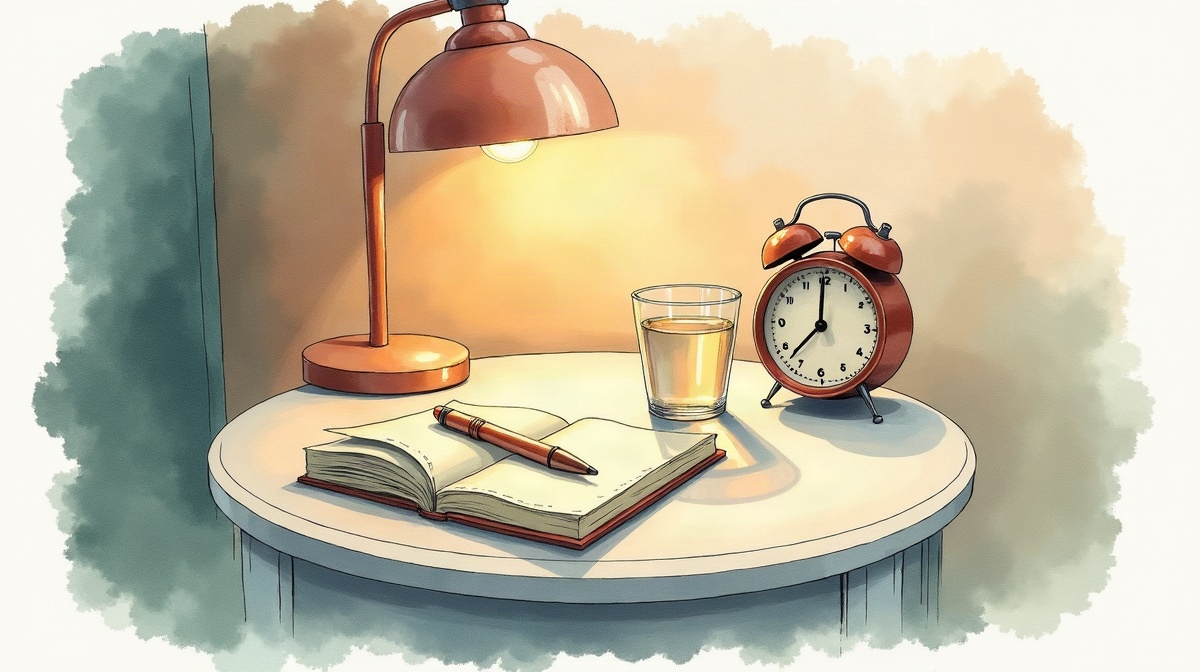
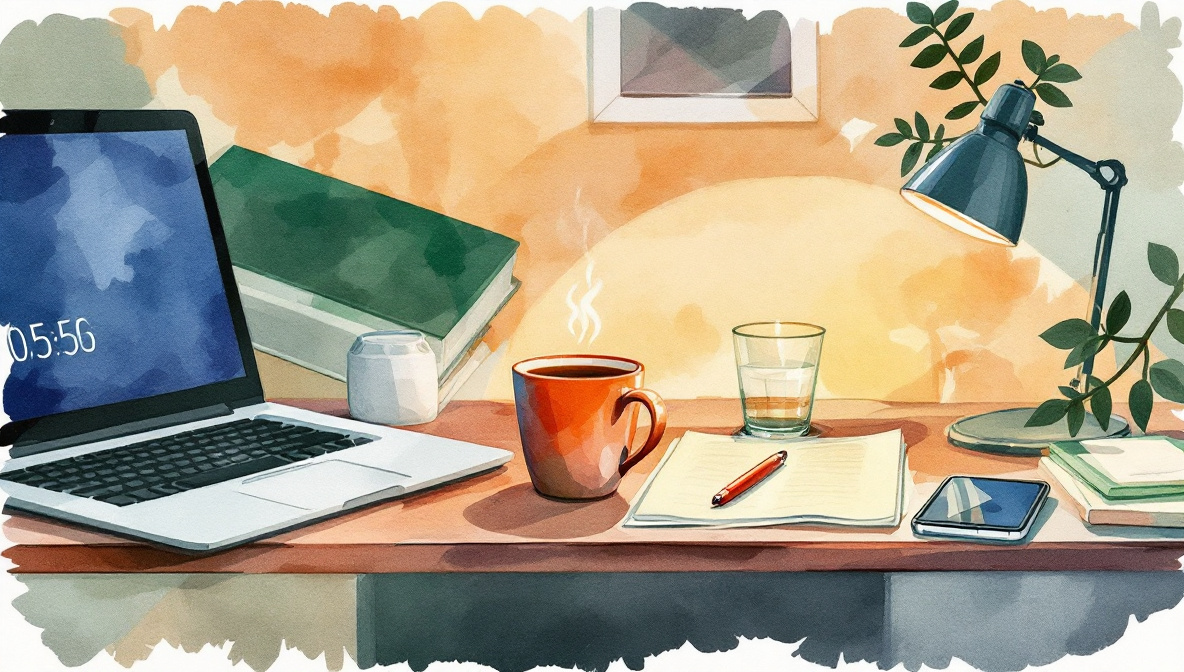
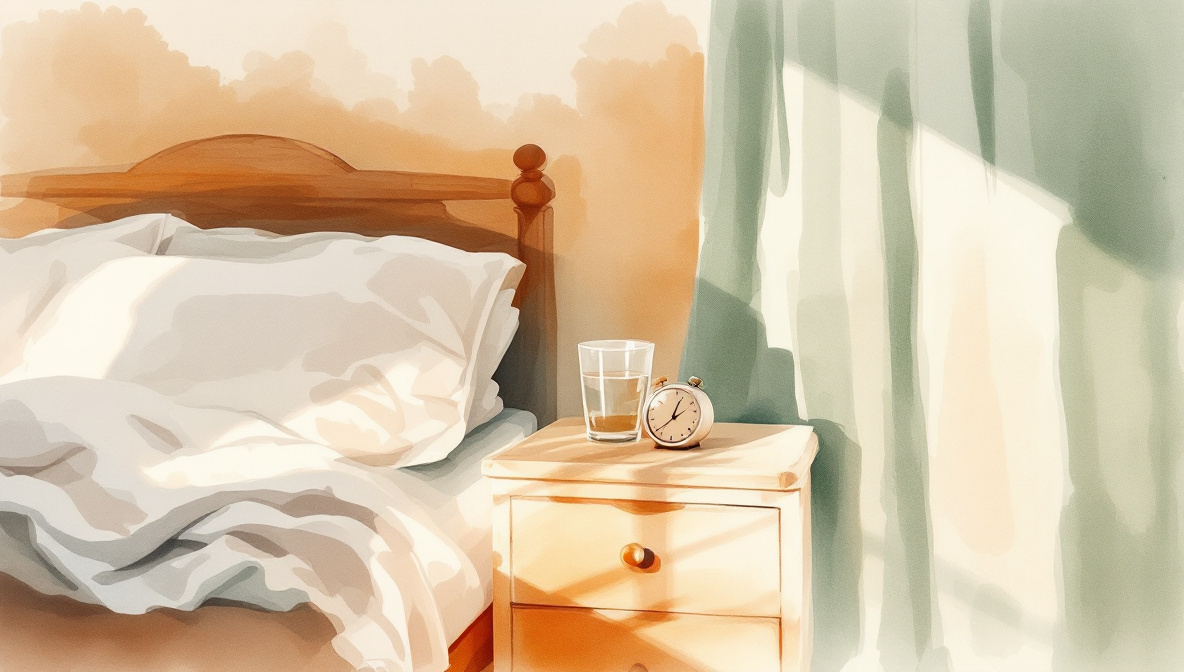
Long nights can feel thin when timing, light, caffeine, stress, or mood tilt depth. I show patterns to test this month, what to tell a doctor, and the smallest step to try tonight.
17 September 2026 · reviewed September 2026
· Anxiety and burnout · Low mood
Constant tiredness usually comes from a stack: short sleep, steady worry, late light, uneven meals, or a health issue. Here is when to see a doctor, and what to try in your actual week.
16 September 2026 · reviewed September 2026
· Anxiety and burnout · Practical
Work often pairs performance with safety and worth, so slips feel risky and the bar slides higher. I explain why that happens, what it costs, and small tests to try.
16 September 2026 · reviewed September 2026
· Anxiety and burnout · Practical
Feeling tired for weeks? Name the kind of tired, run one boring baseline week, check caffeine and alcohol timing, and know when to see a doctor. Clear steps, in plain words.
15 September 2026 · reviewed September 2026
· Anxiety and burnout · Practical
Lonely can freeze your day. Name it, change one thing where you are, and make one five-minute contact. Build repeat company in easy rooms, and pick the room you will use.
15 September 2026 · reviewed September 2026
· Practical · Low mood
CBT looks at the loop between thoughts, feelings, body signs, and behaviour, then sets tiny experiments in your week. I explain what it is, who it suits, and how to start.
14 September 2026 · reviewed September 2026
· Starting therapy · Anxiety and burnout
CBT, person-centred, psychodynamic, skills, EMDR, and couples. I describe how rooms feel, how to pick for fit this month, when to add someone else, and how to use your first call.
14 September 2026 · reviewed September 2026
· Starting therapy · Practical
You can hit targets and still feel alone at home. Output and closeness run on different levers. Here is how to test connection gently, without drama or wrecking your week.
13 September 2026 · reviewed September 2026
· Anxiety and burnout · Relationships and family
A life that looks fine can still feel off. Why success and unhappiness sometimes share a room, what to check in your week, small tests to try, and when another door fits better.
13 September 2026 · reviewed September 2026
· Anxiety and burnout · Low mood
Slow the jump from sting to story. Use body-first pauses, ask for specifics, and pick calmer moments to speak. Real talk for adults who want fewer fights without going silent.
12 September 2026 · reviewed September 2026
· Relationships and family · Practical
Night-time overthinking spikes when the house goes quiet. I explain why that happens, small things to try in the last hour, and how to decide on next steps if you need someone.
12 September 2026 · reviewed September 2026
· Anxiety and burnout · Practical
Night brings loose ends to the surface. Small moves make sleep likelier: dim a lamp, cool the room, leave the bed when looping, park worries on paper, and ride a longer out-breath.
11 September 2026 · reviewed September 2026
· Anxiety and burnout · Practical
Serving at a counter can sit next to social anxiety. How to spot the pattern and cost, tune one part of a shift, and decide when to see someone in India.
11 September 2026 · reviewed September 2026
· Anxiety and burnout · Starting therapy
Housemate-feeling grows when logistics swell and warmth thins. What to notice this week, small repeatable experiments you can keep, and when to look outside for couples work.
10 September 2026 · reviewed September 2026
· Relationships and family · Practical
When a partnership feels like friends, sometimes that suits, sometimes it aches. How to tell which one you are living, small experiments to try, and when to bring in couples help.
10 September 2026 · reviewed September 2026
· Relationships and family · Low mood
Money is one lever and titles are another. This piece shows you how to price a lower-paying promotion in hours, rupees, and energy, and how to protect yourself if you accept.
9 September 2026 · reviewed September 2026
· Anxiety and burnout · Practical
Simple ways to hear tough feedback, steady yourself in the room, reply cleanly, and pick one boring change you can show next week. Scripts, small shifts.
9 September 2026 · reviewed September 2026
· Anxiety and burnout · Practical
Work-shaped tiredness can look like burnout, but depression, anxiety, or health can feel the same. Here is how I separate them in real weeks, and what to try before big moves.
8 September 2026 · reviewed September 2026
· Anxiety and burnout · Practical
Before you go, decide your rules and tell two people. On the trip, keep one short check window, park work thoughts, and make devices boring. Practical steps for tired workers.
7 September 2026 · reviewed September 2026
· Practical · Anxiety and burnout
Anxious nights end early. Longer sleep grows from small cues you repeat: steady wake time, bed when sleepy, earlier caffeine, a short evening worry-time, and kind, boring steps for 3 a.m.
7 September 2026 · reviewed September 2026
· Anxiety and burnout · Practical
Saying no at home can feel loaded. Use one short I-sentence, repeat it once, then act. Scripts here, what to do when they push, and small moves for visits and calls.
6 September 2026 · reviewed September 2026
· Relationships and family · Practical
Counselling has no standard length. I show how to choose a pace, review early, pause cleanly, and return later. Signs to watch, scripts you can use, and one route when you need a team.
5 September 2026 · reviewed September 2026
· Starting therapy · Practical
Your friend is grown, yet their parents splitting can shake the ground. Show up, ask what helps, keep ordinary company, and watch for safety. Skip being messenger-in-chief.
5 September 2026 · reviewed September 2026
· Relationships and family · Practical
Dread before work is your body predicting cost. Here is how to read it, why Mondays bite, what to try this week, how to speak to a manager, and where to get help in India.
4 September 2026 · reviewed September 2026
· Anxiety and burnout · Practical
Sometimes, when conversations stay close to your real week and you try small changes between sessions, low mood can loosen and work feels more doable. Fit and what else is happening both matter.
4 September 2026 · reviewed September 2026
· Anxiety and burnout · Low mood
A plain guide to who to see first in India. How counsellors, psychologists, and psychiatrists differ, when medication might help, and what to bring to the first visit.
3 September 2026 · reviewed September 2026
· Starting therapy · Practical
Counselling is a plain, present-focused talk. Therapy often brings a method and more structure. Here is what changes for you, where DBT fits, and how to choose a room you can use.
3 September 2026 · reviewed September 2026
· Starting therapy · Practical
Work burnout feels like dread, fatigue, brain fog, irritability, and flat evenings. I share clear signs, small weekly experiments, manager scripts, and one safety step if tonight feels risky.
2 September 2026 · reviewed September 2026
· Anxiety and burnout · Practical
Start with a physiotherapist or a doctor. Counselling helps you pace, sleep, and choose while you heal. I name red flags, first visits, scripts, and small tests.
2 September 2026 · reviewed September 2026
· Practical · Starting therapy
You typed 'i need therapy kpop'. Use a function test. When sleep, money, work or relationships bend around your feed and stay bent, counselling helps you look and try smaller, kinder lines.
1 September 2026 · reviewed September 2026
· Starting therapy · Anxiety and burnout
Counsellor is the person; therapy is the work. I explain the difference in plain words, when a medical opinion may help, how to choose today, and what a first chat is for.
1 September 2026 · reviewed September 2026
· Starting therapy · Practical
Adults sometimes end up with zero close friends for a season. It stings and it is common. I explain why this happens, small moves that help, and how to decide when to reach out.
25 August 2026 · reviewed September 2026
· Relationships and family · Low mood
Working out who to see near you, what a solid first chat should cover, how to choose between a screen and a room, and where else to look if this room is wrong.
25 August 2026 · reviewed September 2026
· Starting therapy · Practical
Online counselling fees in India vary by person, platform, session length and how often you meet. Affordable means a number your month can carry. Best is a room you can speak in plainly.
24 August 2026 · reviewed September 2026
· Starting therapy · Practical
Make purpose a weekly practice. Set small, testable commitments, cut a drain, add structure and company, keep a simple log, track what feels alive in your body. No mission statement needed.
24 August 2026 · reviewed September 2026
· Practical · Low mood
Counselling in India has no single fee. I explain the moving parts, the questions to ask before paying anyone, roles and insurance, and a few public price points.
24 August 2026 · reviewed September 2026
· Starting therapy · Practical
No crisis is required, and no diagnosis either. A fair number of people arrive with nothing they can point to, which is usually the thing worth looking at.
24 August 2026 · reviewed August 2026
· Starting therapy
In India, psychiatrists and clinical psychologists are regulated; counsellors, therapists, and 'psychologists' are not. How to verify claims, choose a starting point, and use the first visit.
23 August 2026 · reviewed September 2026
· Practical · Starting therapy
The clearest numbers I can give now, why prices stay hidden, what that fee really covers, how insurance treats OPD, and what to try this week if money is tight.
12 August 2026 · reviewed September 2026
· Practical · Starting therapy
The limits I see in the room: what counselling cannot change, decide, remove, or outrun — and how to use it anyway without getting set up by rosy promises.
21 July 2026 · reviewed September 2026
· Starting therapy
Roommate-feeling often means co-living runs smoothly while warmth, play, sex, and curiosity fade. If you both want more, try two repeatable moves and one plain, time-limited talk.
7 July 2026 · reviewed September 2026
· Relationships and family · Practical
Opening up can feel risky. Begin with one line, name the awkward thought, and keep pause within reach. Scripts, pacing, language and aftercare you can actually use.
25 June 2026 · reviewed September 2026
· Starting therapy · Practical
Friendship as an adult runs on repetition, small asks, and rooms you can keep returning to. Start where you are, choose quiet if you need it, and look for reciprocity.
18 June 2026 · reviewed September 2026
· Practical · Relationships and family
I don't know the button. Creators set controls. If you searched this at work, you're likely low on fuel. Here is how to use that impulse without torching your day.
11 June 2026 · reviewed September 2026
· Anxiety and burnout · Practical
Overthinking is a loop that feels like solving and keeps you stuck. Here is how I pause it in the day and at night, with plain steps you can try today.
9 June 2026 · reviewed September 2026
· Anxiety and burnout · Practical
Moving on means feeling the loss and clearing shared-life admin. Set contact rules you can hold, handle one tangle a day, ask two steady people for help, and act fast if safety wobbles.
4 June 2026 · reviewed September 2026
· Relationships and family · Practical
Work stress shrinks when you make it concrete. Name one spike, take a visible step, build an off-ramp, and use tiny resets so your next choice is steadier and your evening is yours.
26 May 2026 · reviewed September 2026
· Anxiety and burnout · Practical
Job rejection can feel like a verdict. Here is how I steady the first two days, sort facts from guesses, ask for feedback kindly, and keep momentum without running yourself down.
25 May 2026 · reviewed September 2026
· Practical · Anxiety and burnout
Alone and anxious? Start small and physical, change your room fast, and pre-set two anchors for evenings. Clear scripts, what to say, and one line on when to call.
22 May 2026 · reviewed September 2026
· Anxiety and burnout · Practical
If one worry keeps bending your week, that is enough reason to talk. I explain how I think about overreacting and how to decide whether to book a first chat.
5 May 2026 · reviewed September 2026
· Starting therapy · Anxiety and burnout
Often, yes. Confidence behaves like habits you can practise. We pick small risks, try them in your real week, and keep score. No big promises; steady, specific work.
20 April 2026 · reviewed September 2026
· Starting therapy · Practical
Jealousy shows up in many steady relationships. What helps next: a steadier body, a clear time-and-place ask, and one-week changes you can actually keep.
14 April 2026 · reviewed September 2026
· Relationships and family · Anxiety and burnout
Yes, anxiety can land without a neat cause. Bodies run faster than thoughts and small triggers stack. What to notice, small moves that help, and when to speak with someone.
13 April 2026 · reviewed September 2026
· Starting therapy · Anxiety and burnout
Wondering if you're lazy or burnt out? Start with recovery. If rest changes nothing, I lean toward burnout; if a short break lifts you, small discipline shifts may carry you.
4 April 2026 · reviewed September 2026
· Anxiety and burnout · Practical
Yes. Coffee can switch your body into alert mode, so the lift tilts into jitters, worry or a racing heart. It often passes. Food, water and slower sipping can soften it.
23 March 2026 · reviewed September 2026
· Anxiety and burnout · Practical
Best means fit with your goal and your week. Here is a plain map of common approaches, when another door is safer, and what a solid first session and a small trial can look like.
22 March 2026 · reviewed September 2026
· Starting therapy · Practical
Yes, many adults stay friendly with an ex. Normal is a weak test. Check if contact is kind to you and clear between you, and whether it is fair to new partners. If it keeps you stuck, name that.
21 March 2026 · reviewed September 2026
· Relationships and family · Practical
Back or knee pain rarely has one best therapy. Get safety checked. Counselling helps when fear, sleep loss, work strain, and brittle routines keep the ache loud after tests read fine.
19 March 2026 · reviewed September 2026
· Practical · Anxiety and burnout
Feeling edgy after session one is common. Saying hard things can spike nerves before they ease. Prepare simply, keep a small buffer, and hold the week with small, steady anchors.
18 March 2026 · reviewed September 2026
· Starting therapy · Anxiety and burnout
A frank take on when counselling is worth your time and money, what to look for week by week, how anxiety work helps, and how to start if you hate feelings-talk.
17 March 2026 · reviewed September 2026
· Starting therapy · Anxiety and burnout
Check your side without self-bashing, name harm cleanly, and try small, honest moves. I map tests for behaviour, signs of mismatch, and scripts you can use this week.
15 March 2026 · reviewed September 2026
· Relationships and family · Practical
When low mood keeps circling back and starts bending sleep, work or relationships, it's time to ask for help. Useful signs, first steps, and what a good start looks like.
14 March 2026 · reviewed September 2026
· Low mood · Starting therapy
Twenty-seven is fine for a switch. Run small, real tests, protect money and energy, and decide from what you actually tried with a clear head. Steps, scripts, and when to pause.
13 March 2026 · reviewed September 2026
· Practical · Anxiety and burnout
If worry or avoiding people shapes your week, counselling is worth a try. This piece shows how to decide, what sessions look like, and small tests you can run now.
9 March 2026 · reviewed September 2026
· Starting therapy · Anxiety and burnout
Something shocked your sense of safety and you still arrange your day around it? Counselling is worth a try. Here is how to decide, what to notice this week, and what to do next.
7 March 2026 · reviewed September 2026
· Starting therapy · Practical
Practical ways to stand by someone with depression: small daily help, plain texts, gentle travel plans with exits, one safety step if risk rises, and an easy start to outside help.
4 March 2026 · reviewed September 2026
· Low mood · Practical
Work thoughts crowd sleep because open loops, bright light and late pings keep the brain on. I share routines I actually use: a tomorrow list, gentle wind-down, in-bed tactics, and daytime fixes.
2 March 2026 · reviewed September 2026
· Anxiety and burnout · Practical
Your brain quietens when you end the day on purpose. Give tomorrow a clear handover, mark the switch with a body cue, and fence your phone so the evening stops reopening the office.
23 February 2026 · reviewed September 2026
· Anxiety and burnout · Practical
Grief can follow death, breakup, illness, a move, or lost work. If it shapes most days and support is thin, counselling may help. Here is how to decide and what to expect.
21 February 2026 · reviewed September 2026
· Starting therapy · Low mood
If anger is costing sleep, work, or closeness, it is worth help. What to track, what sessions here involve, safety steps if it feels dangerous, and small tests to run this week.
13 February 2026 · reviewed September 2026
· Practical · Relationships and family
Lazy sounds moral while low mood feels flat and heavy. I explain the difference from sadness and tiredness, what to try this week, and how to plan a first visit with clear next steps.
10 February 2026 · reviewed September 2026
· Low mood · Practical
Low mood often feels heavy and slow; anxiety often feels tense and fast. Many people get both in one week. Here is how to tell which dial shows up and what to try next.
7 February 2026 · reviewed September 2026
· Anxiety and burnout · Low mood
Counsellor for feelings and repeating patterns; coach for clear goals and structure. How the rooms differ, when to switch or combine, and small tests to try this week before choosing.
5 February 2026 · reviewed September 2026
· Starting therapy · Practical
Counselling is optional. Use it when days feel heavy or stuck in loops you can't turn down alone. Signs to watch, what a first chat covers, and how to decide.
3 February 2026 · reviewed September 2026
· Starting therapy · Practical
People-pleasing buys calm but spends you. Pause on purpose, offer smaller yeses, use brief facts, and plan for pushback. Hold a line without turning home or work into a fight.
20 January 2026 · reviewed September 2026
· Practical · Relationships and family
You cannot make a partner start counselling. How to ask in a way that lands, hold a boundary you can carry, judge safety, and choose your next step when he refuses.
23 December 2025 · reviewed September 2026
· Relationships and family · Practical
You can feel flat without sadness. Stress, repeat-same days, sleep debt, or a health shift can mute wanting. I show how to read the pattern and what to try this week.
20 December 2025 · reviewed September 2026
· Low mood · Anxiety and burnout
Stress makes focus slippery. Shrink the job, quiet the room, and use a short timer. Help the body first. I name when to seek help, and simple routes in India.
17 December 2025 · reviewed September 2026
· Anxiety and burnout · Practical
Block a true nothing day like work, tell the few who might book you, set two tiny rules, and hold the first decline. Boring protects energy better than another plan.
6 December 2025 · reviewed September 2026
· Practical · Anxiety and burnout
After both parents die, grief scrambles a body, the admin pile, and who you feel you are. Here are small anchors, clear scripts, admin steps, and when to seek extra help.
3 December 2025 · reviewed September 2026
· Relationships and family · Low mood
Opening up is a skill you can practise. Start tiny: name the block, use notes, ask for pace, and adjust the room or the fit before you give up on counselling.
20 November 2025 · reviewed September 2026
· Starting therapy · Practical
Loneliness hurts. I explain what it is in adult life, small steps you can try this week, scripts that make contact easier, and when to ask for extra support, including free options.
16 November 2025 · reviewed September 2026
· Low mood · Practical
Counselling and therapy blur in India. Fit and room-feel matter more than the label. Here is how I choose, what to ask in a first call, and when to add a psychiatrist.
12 November 2025 · reviewed September 2026
· Starting therapy · Practical
A short after-dinner walk calms your mind, draws a line under work, and aids digestion. Pick a safe, boring loop. Tonight bring sandals, keys, a handkerchief, and a gentle timer.
8 November 2025 · reviewed September 2026
· Practical · Anxiety and burnout
Life can look fine while the same two or four knots keep catching you. Here is how I decide whether to continue, pause, or space out, and what to watch for this month.
6 November 2025 · reviewed September 2026
· Starting therapy · Anxiety and burnout
Anger arrives fast. Buy a minute with planted feet, longer exhales, a cool mouth or hands, and one clear line. Then choose the next move and map the pattern when you are cooler.
3 November 2025 · reviewed September 2026
· Practical · Relationships and family
Work looks fine yet days feel heavy. Read your week, sort burnout from boredom or low mood, try a few small tests, and take a calm, specific ask to your manager with data.
26 October 2025 · reviewed September 2026
· Anxiety and burnout · Practical
How to be the friend who stays. Small words, steady company, and practical acts for the next ten minutes. Scripts, safety steps, and ways to help from nearby or afar.
20 October 2025 · reviewed September 2026
· Relationships and family · Practical
Harsh self-talk often formed as protection when mistakes felt expensive. Why it sticks, what it costs at work and home, small tests to try this week, and when to speak with someone else.
12 October 2025 · reviewed September 2026
· Starting therapy · Anxiety and burnout
CBT fits adults who like structure, small tests, and some practice between sessions. How to judge fit, what early weeks look like, and how to find someone who works this way.
7 October 2025 · reviewed September 2026
· Starting therapy · Anxiety and burnout
By nine pm your evening has set sleep in motion. Choose a finish line, eat earlier, dim the lights, and park the phone. Two quiet wreckers: late scrolling and after-hours pings.
21 September 2025 · reviewed September 2026
· Practical · Anxiety and burnout
When the gym bag keeps sitting in the corner, you are not failing. Why motivation dips after injury or years, and small, honest experiments that make moving again more likely.
11 September 2025 · reviewed September 2026
· Low mood · Practical
Screen-free rest is plain: phone away, lie down with feet up, sip water, or step out unmeasured. Imperfect tries still count. Repeating a small act helps across the week.
8 September 2025 · reviewed September 2026
· Practical · Anxiety and burnout
Weekly suits churn and early weeks; fortnightly or monthly also hold. Choose the pace your money and energy can carry, set a review date, and change it when life shifts.
5 September 2025 · reviewed September 2026
· Starting therapy · Practical
Crying in counselling is allowed. So is staying dry. What actually happens in the room, small ways to handle tears or flatness, and when to add other support safely.
26 August 2025 · reviewed September 2026
· Starting therapy · Low mood
Purpose grows from repeated choices you can explain to yourself. Look at last week, run small tests, track energy, and ask a counsellor for company if you want it.
25 August 2025 · reviewed September 2026
· Starting therapy · Practical
Choosing between a therapist and a counsellor? Start with fit and access. Use your first hour well, know when a psychiatrist is the right door, and move with the option you can book.
18 August 2025 · reviewed September 2026
· Starting therapy · Practical
Before dinner, interrupt the slide toward a blank evening. Move first. Drink water. Finish one small thing you can point to. That order is doable even on your worst days.
16 August 2025 · reviewed September 2026
· Practical · Anxiety and burnout
Yes, you can pause counselling. Make it chosen: say one line, set a review you will see, and name supports. I show when a break helps, when it is risky, and how to return.
10 August 2025 · reviewed September 2026
· Starting therapy · Practical
Stress tightens small chest muscles and speeds high-in-the-chest breathing, which can feel like weight or squeezing. New or unusually strong chest pain deserves a doctor's check first.
3 August 2025 · reviewed September 2026
· Anxiety and burnout · Practical
Stress makes the chest brace and breath go shallow; tightness can linger after the moment ends. I explain common body reasons, a safe medical check, and small steps that help.
20 July 2025 · reviewed September 2026
· Anxiety and burnout · Practical
Yes, wanting fewer or no friends can be a sane, honest choice. I explain when that wish fits, how to tell solitude from loneliness, and what to do if it starts shrinking your days.
19 July 2025 · reviewed September 2026
· Relationships and family · Low mood
Being passed over again hurts and swallows your week. Ask for the bar in writing, map proof to it, talk plainly, and choose whether to strengthen your case here or move on purpose.
15 July 2025 · reviewed September 2026
· Anxiety and burnout · Practical
Missing a promotion to an external hire stings and scrambles your story. This week: gather criteria, sleep, ask for examples, and choose between one more cycle with a plan or a move.
11 July 2025 · reviewed September 2026
· Anxiety and burnout · Practical
Switching off means you end the day on purpose: park two tasks for tomorrow, mark a body boundary, and shelter your evening from pings you can control.
7 July 2025 · reviewed September 2026
· Anxiety and burnout · Practical
Taking things personally hooks fast. I show how to catch the first sting, name the meaning you made, and test smaller replies you can use in meetings and at home.
6 July 2025 · reviewed September 2026
· Starting therapy · Relationships and family
Slow your replies, check the story your mind is telling, ask a clear question, and choose a better channel. Small skills practised on quiet days make tense moments less costly.
3 July 2025 · reviewed August 2026
· Relationships and family · Practical
Minutes before a hard meeting, lengthen the exhale, stand once, and have a first line ready. Small body resets and tiny prep help you join steadier, or ask for support.
23 June 2025 · reviewed September 2026
· Anxiety and burnout · Practical
Remove the soundtrack for one short walk. Expect itchy, noisy minutes; then attention often steadies. Tiny anchors help, and you finish with a simple reset you can reuse.
22 June 2025 · reviewed September 2026
· Practical · Anxiety and burnout
New city, heavy evenings. Choose repetition: be a regular once a week, fix one standing call, add two small rituals at home. Directories and EAPs can help you book.
19 June 2025 · reviewed September 2026
· Practical · Low mood
Racing heart, tight chest, shaky legs, dizziness, nausea, and a jolt of dread. I cover anxiety-attack signs, urgent red flags, how women often report them, and small steps that can steady you.
11 June 2025 · reviewed September 2026
· Anxiety and burnout · Starting therapy
Comparison softens when you cut its fuel, name what the sting points to, and build a yardstick that is yours. Practical ways to steady friendships while stepping off the scoreboard.
10 June 2025 · reviewed September 2026
· Relationships and family · Low mood
Many adults hit targets and feel oddly alone. Work shapes time and talk, and closeness needs planning. Here is why loneliness hides inside success, and what you can try this month.
3 June 2025 · reviewed September 2026
· Relationships and family · Practical
Plain signs of anxiety and depression in adults. Everyday examples, overlaps and differences, one safety step if risk is acute, and small checks you can try this week.
27 May 2025 · reviewed September 2026
· Anxiety and burnout · Low mood
At work, social anxiety looks like fearing judgement in ordinary moments. Dread before stand-ups, over-editing, staying off camera, tightness on unmute, and late replay that nudges you to hide.
15 May 2025 · reviewed September 2026
· Anxiety and burnout · Practical
Go alone on purpose. Choose somewhere close, keep the plan small, and set a return time you will keep. Come back the same day and write two lines you can use.
11 May 2025 · reviewed September 2026
· Practical · Anxiety and burnout
At 2 a.m., an app can steady your breath and hold a few lines. Across weeks, a person brings memory and company, with room for nuance. Choose the mix that fills the gap.
5 May 2025 · reviewed September 2026
· Starting therapy · Practical
Burnout shows up as heavy tiredness, flatness, more mistakes, and weekends that do not restore you. Signs to watch, simple steps for this week, and when to see someone else.
2 May 2025 · reviewed September 2026
· Anxiety and burnout · Practical
Work-only social anxiety is real. If meetings or Slack spike fear and you start changing choices to avoid them, you qualify to speak with a counsellor and try small, safe shifts.
27 April 2025 · reviewed September 2026
· Starting therapy · Anxiety and burnout
Yes, you can take a break from work. Read the signs, weigh money and policy, plan a short, clear leave, and make it actually restful instead of another project to manage.
20 April 2025 · reviewed September 2026
· Anxiety and burnout · Practical
Try a phone-free Sunday morning for three hours. Expect withdrawal, then boredom; later, clearer thoughts can arrive. Setup, small trade-offs, and a simple rhythm you can keep.
16 April 2025 · reviewed September 2026
· Practical · Anxiety and burnout
There is no standard clock for heartbreak. Three or five years matter less than entanglement and what you do now. What slows it, what helps this week, and when to ask for support.
16 March 2025 · reviewed September 2026
· Relationships and family · Practical
Weekly is a steady start. Fortnightly, blocks, or monthly can also work. Set a rhythm you can keep, know when to speed up or slow down, and how to pause well.
14 March 2025 · reviewed September 2026
· Starting therapy · Practical
How I weigh whether counselling is worth it: what tends to change in real weeks, how to review your spend with plain signals, and where else to look if this room feels wrong.
10 March 2025 · reviewed September 2026
· Starting therapy · Practical
Exhausted and still scrolling? Bedtime procrastination often buys late freedom, a pause before tomorrow, or relief from a noisy bed. I name patterns and small moves to try tonight.
13 February 2025 · reviewed September 2026
· Anxiety and burnout · Practical
Talk therapy, CBT, or EMDR? I describe how each room feels, what tends to fit which aim, how to run a short trial safely, and the small questions that make choosing simpler.
12 February 2025 · reviewed September 2026
· Starting therapy · Anxiety and burnout
Opening up can stay small. Start with one headline and one scene, ask plain questions, set a pace you can keep, and let trust grow through steady repeats, with pauses when you need them.
11 February 2025 · reviewed September 2026
· Starting therapy · Practical
Adults can grow steadier without pep talks. Keep one tiny promise and hold one small boundary. Track a single credit line daily. Ordinary proof, repeated, shifts your tone.
9 February 2025 · reviewed September 2026
· Practical · Low mood
Jealousy at a friend's success flags risk to belonging, attention, or your own hopes. I name what it points to, small moves that steady contact, and how to keep your week intact.
9 February 2025 · reviewed September 2026
· Relationships and family · Low mood
Emotional numbness often follows stress, grief, overload, or burnout; your system numbs feelings so you can function. Try tiny sensory anchors. New or spreading tongue numbness? See a doctor.
26 January 2025 · reviewed September 2026
· Anxiety and burnout · Low mood
Most adults start weekly. Some go fortnightly. A few do two sessions in a hot phase. The right pace depends on urgency, money, support, and how your days run. Here is how I think about it.
24 January 2025 · reviewed August 2026
· Starting therapy · Practical
Many wake spiky as the body surges before waking. Evening choices and the first 10 minutes shape that jolt. I track patterns, run small tests, and guide when to seek care for physical symptoms.
20 January 2025 · reviewed September 2026
· Anxiety and burnout · Practical
Therapist is an umbrella; counsellor is a talk-focused type. For medication or diagnosis, see a psychiatrist or a clinical psychologist. Choose by fit: language and pace, and where you meet.
16 January 2025 · reviewed September 2026
· Starting therapy · Practical
When fog, irritability, and dead batteries hit, timing and context sort burnout from hormones. I show what to notice for three weeks, how to talk to your doctor, and one work tweak.
15 January 2025 · reviewed September 2026
· Anxiety and burnout · Practical
Thinking of Sweden for balance? Off-hours are guarded there. In India, weeks swing by manager and team. Real balance comes from your workload, predictability, recovery, and support you use.
8 January 2025 · reviewed September 2026
· Anxiety and burnout · Practical
Change one thing and see. Relief that follows you into a new room points to boredom. Flatness that stays across rooms and weeks points to depression. Simple checks and next steps.
7 January 2025 · reviewed September 2026
· Low mood · Practical
After a long-distance breakup, close optional contact, clear digital cues, and build repeatable routines where you live. Grieve in real life and set phone rules that hold.
3 January 2025 · reviewed September 2026
· Relationships and family · Practical
Yes, you qualify. Work strain, Sunday dread, late-night worry, and stale decisions belong in counselling. What first sessions feel like, how to pick lasting help, and small steps to try.
2 January 2025 · reviewed September 2026
· Starting therapy · Anxiety and burnout
Random anxiety often has quick body triggers your thoughts miss. The gut-brain link makes belly knots common. Track sleep, food, caffeine and heat, tweak one input.
22 October 2024 · reviewed September 2026
· Anxiety and burnout · Starting therapy
Yes. Two adults who share a home, care for each other, and make plans together can be a family. Use the word that fits your life, even when forms and neighbours lag.
8 October 2024 · reviewed August 2026
· Relationships and family · Practical
Success and low mood can sit together. Work wins often spend sleep, time and belonging. The buzz fades while the flatness lingers. You can name the cost and test small, practical changes.
26 September 2024 · reviewed September 2026
· Low mood · Anxiety and burnout
Yes, sometimes. A planned, time-bound break can steady you and surface what you feel. Vague pauses breed drift. How to set rules and use the review well.
22 July 2024 · reviewed September 2026
· Relationships and family · Practical
Yes. Paid work can just be work. If career talk drains you, here are shapes that fit, small trials, money checks, plain scripts for hard chats, and when to loop someone else in.
15 July 2024 · reviewed September 2026
· Anxiety and burnout · Practical
Worth paying for when flatness starts steering your days and you want a steady hour to try small changes with someone neutral. How to decide, start, and get help that fits.
10 July 2024 · reviewed September 2026
· Starting therapy · Low mood
Sleep trouble rarely has one cause. Stress, habits, heat, pain, or a drifted body clock pull. I name common patterns, when to see someone else, and small, boring experiments to test this week.
23 May 2024 · reviewed September 2026
· Anxiety and burnout · Low mood
Lazy is a judgement; low mood and unmotivated show as patterns in sleep, energy, attention, and days you can measure. Start with body basics, tiny timed starts, and a week of notes you can use.
14 May 2024 · reviewed September 2026
· Low mood · Anxiety and burnout
Plain words on roles in India: which door to try for your week, how to choose online vs room, where to look without overspending, and what an early chat usually feels like.
10 May 2024 · reviewed September 2026
· Starting therapy · Practical
Sleep gets easier when your body feels safe and slightly bored, and your head has a place to park worries. Small shifts for evenings, daytime anchors, and what to do at 3 am.
9 May 2024 · reviewed September 2026
· Anxiety and burnout · Practical
Looking for Kannada words for anxiety and the signs to watch? Here are everyday names Bengaluru adults use, how it shows in the body, and how to say it in a first call.
2 May 2024 · reviewed September 2026
· Anxiety and burnout · Starting therapy
Depression often looks ordinary: a flat week, heavy mornings, slower thinking, sleep or appetite changes, and pulling away. Here is what to notice, what to try, and when to ask for help.
27 April 2024 · reviewed September 2026
· Low mood · Starting therapy
You tick the boxes and still feel low. Success does not cancel unhappiness. If you are wondering whether you qualify for counselling, you do. Here is how to start and what to expect.
14 April 2024 · reviewed September 2026
· Starting therapy · Anxiety and burnout
Thinking about leaving work for your mental health? Slow the decision, run small tests, watch your body, and plan money and notice periods. Kind steps, not panic.
4 April 2024 · reviewed September 2026
· Anxiety and burnout · Practical
You cannot will a promotion into being. Look for a named role tied to budget and written criteria with dates. Ask plainly, plan two outcomes, and protect energy while you wait.
20 March 2024 · reviewed September 2026
· Anxiety and burnout · Practical
Working in Pune and considering career counselling? Online suits busy weeks. I guide you on picking a format, finding in-person options, what first sessions cover, and small steps to start now.
17 March 2024 · reviewed September 2026
· Anxiety and burnout · Practical
Rethinking your career in Bengaluru? I offer adult career counselling with plain talk and small experiments. We start with your week, money, energy. No tests or placement.
24 February 2024 · reviewed September 2026
· Anxiety and burnout · Practical
After a breakup the heavy, flat feeling is grief. Keep days small, care for your body, reduce stings, and ask for contact. Counselling offers company and a weekend plan you can carry.
21 February 2024 · reviewed September 2026
· Low mood · Relationships and family
Say no early and in one clear line. Repeat it kindly if pushed, or offer one smaller alternative you can live with. Scripts in English and Hindi, safety notes, and aftercare.
16 February 2024 · reviewed September 2026
· Relationships and family · Practical
Anxious nights feel wired and flat. Build daylight anchors, a plain wind-down, and a boring night reset. Small, steady experiments teach your system and keep the bed from becoming the worry desk.
6 February 2024 · reviewed September 2026
· Anxiety and burnout · Practical
Short answer: usually yes, and first. Employer counselling is a low-bar start, often confidential and time-limited. Here is what it covers, what it does not, and how to check privacy.
13 January 2024 · reviewed August 2026
· Starting therapy · Practical
Nothing matches that. Try a
different word, or .
There is a podcast too
Rafiq has been running since 2020, in English and Hindi. Conversations, and sometimes poems,
which is not a thing most therapists put on the internet.