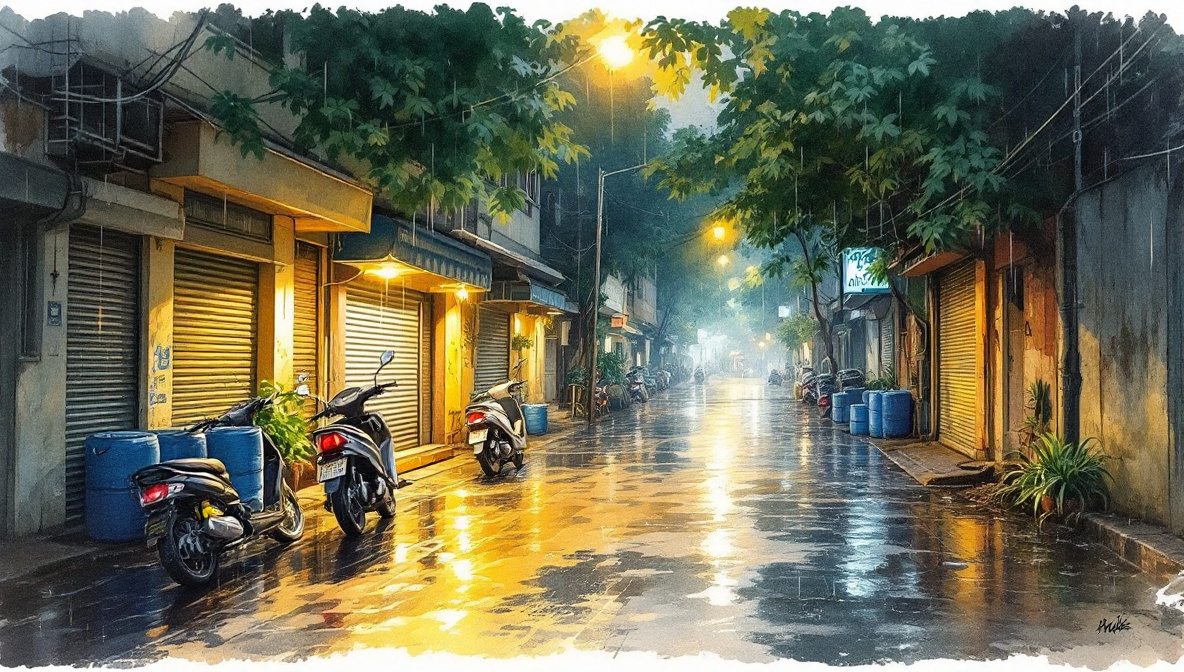
A short after-dinner walk calms your mind, draws a line under work, and aids digestion. Pick a safe, boring loop. Tonight bring sandals, keys, a handkerchief, and a gentle timer.
Short answer. Yes, the fifteen-minute walk after dinner is worth trying. It draws a clear line under the day and helps digestion settle. That small loop also gives you a pocket of quiet before the night tugs you back. I care more about the boundary than steps or calories.
In short:
Evenings blur after dinner, and many of us drift from plates to screens without noticing the shift. Small walk, big change. A calm loop outside marks the end in your feet and jaw, which is kinder than pushing through chores or scrolling because the body often listens faster than thoughts do.
Digestion likes gentle movement after a meal. Keep it very gentle. A slow, boring route sends a quiet message downstream that work is over, which can mean less heaviness in the stomach and an easier time dozing later. If evenings feel flat most weeks, read Am I depressed or just bored? and still try the walk alongside whatever else you change.
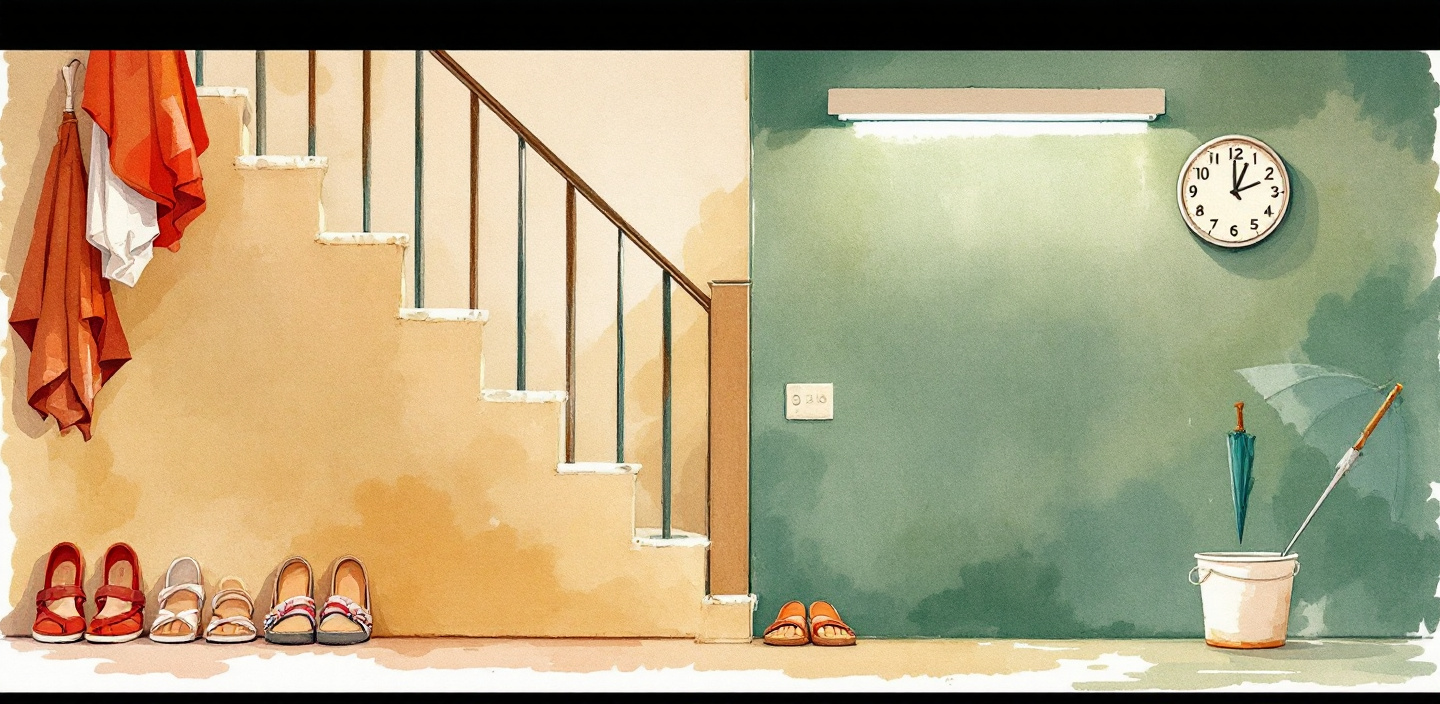
Keep it almost silly so your head cannot argue. Walk in what you ate dinner in, pick a door, set a fifteen-minute timer, and go; when it buzzes, turn back. Leave the phone inside. If timers help you actually start, borrow the tiny script in The five-minute timer, then add ten and finish your loop.
Choose a loop you could do half-asleep: twice round the block or up and down the building lane with a small torch for broken kerbs. Boring is good. Keep the phone in a cupboard if pings reel you back; The phone in a cupboard after 10 pm shows one way that stays friendly on weeknights.
Safety comes first, always. Choose an apartment corridor loop, a terrace if the watchman agrees, a well-lit mall concourse, or a gated park path with security nearby, and keep the same ordinary fifteen minutes because the body respects the boundary more than the pin on a map.
For heavy rain, walk slow laps on your building stairs, pausing on each landing so knees stay friendly, or use the longest indoor corridor you have. Keep towels by the door. I pair this with a tiny reset from The dish-by-sink reset so I do not return to a sink that swallows the mood.
Anchor it to dishes so decision fatigue does not eat it. Plates hit the sink, you walk; when you return, rinse one pan and stop. Two minutes are enough. The reward is a kinder evening; leave the spotless home for another day, and rituals built from tiny moves tend to survive rough weekdays and the late calls that barge into the night.
Reduce friction instead of chasing motivation. Leave sandals by the door and set a quiet reminder. Repeat the same boring loop most weekdays while letting weekends be messy. If evenings stay wired from work pressure, read Burnout symptoms and treatment: what should I look for, and what can help? to decide what else is worth changing.
Simple rooms help because your own words tend to change what is possible next week. Small first, then repeat. I often start with experiments like this when nights feel wired or heavy because they are small and honest, and because they let us notice what actually makes a dent by Friday.
Use what is already paid for. If your employer offers 1to1help, that is employer-provided counselling free to the employee and worth trying for a few sessions. When walking alone throws up loneliness, How can I be alone without feeling lonely? has small ideas you can test on a quiet weeknight.
Before dinner, set yourself up. Lay out sandals, keys, a handkerchief, and a small torch by the door, and keep a light umbrella near them through monsoon. If you want to start a conversation about heavy evenings, How to write the first message gives you words.
After the last bite, stand and set fifteen minutes. Turn left.
Do I need to wait after eating, or can I walk straight away?
You can walk straight away, as long as the pace stays gentle. Start easy for five minutes and breathe through your nose so your body reads calm, not sprint. If cramps or pain repeat across evenings, start later for a week and check with your usual doctor.
What if I get hungry again after the walk?
Plan the extra bite into dinner rather than eating after you return. A banana or a little curd usually sits quietly while you walk. Drink water at home and give it ten minutes before deciding about more food. If late hunger persists most nights, ask a clinician about meal timing.
Does speed or distance matter for the head-clear effect?
Go for consistent and safe. Walk at a pace where you could say your address without gasping, and repeat a simple loop four evenings most weeks. The mind tends to notice the boundary more than the kilometre count. If a faster pace later feels good, match it with better lighting.
What if my knees hurt on slopes or stairs?
Choose level ground and shorten the loop. Shoes with a little cushion help because concrete in Bengaluru is unforgiving and uneven kerbs add tiny twists by bedtime. If pain lingers the next day, switch to a flat mall corridor or the building driveway and slow to a window-shopping pace.
Can this replace the gym or a workout?
Treat it as evening hygiene for your head. It closes the day and can support digestion when repeated across weeks. Gym work builds different capacities, so add that elsewhere if you want it. Keep this walk simple so it remains doable on the days you feel wrung out.
Written by Satlaj Sachan, a counsellor in Bengaluru working Book a first conversation.