Adults sometimes end up with zero close friends for a season. It stings and it is common. I explain why this happens, small moves that help, and how to decide when to reach out.
Short answer. Yes. Adults sometimes pass through seasons with zero close friends, especially after moves, long work hours, breakups, or caregiving. It stings, and the work is ordinary: steady places and small asks, repeated often, that you can actually keep this month.
In short:
Zero friends usually points to closeness over headcount. It feels stark sometimes. For many adults it means there is no one you would message first with good news, and no one who knows your ordinary week well enough to notice when the dog is at the vet. Those two things hold weight because they show care and reliability more than headcount.
Adult life moves things. Moves, long commutes, a partner who takes most spare time, or caregiving that wipes out evenings can shrink contact faster than you notice. Shame often reads the quiet as personal failure; I treat it as a logistics problem you can work on with steady places and repeats until something sturdier appears.
Shame writes harsh stories. One line claims everyone else already has full circles and there is no spare seat; another says you are unlikable and that explains everything. I find those stories heavy when we want movement, because the mechanics I see look boring and changeable: steady places and repeats that let comfort build until you trust it.
I see the same blocks in big cities and in punishing workweeks. They use up the hours, add friction to travel, keep chats light because conflict feels risky, and then the quarter ends and you realise you have not sat with someone who chooses you on purpose.
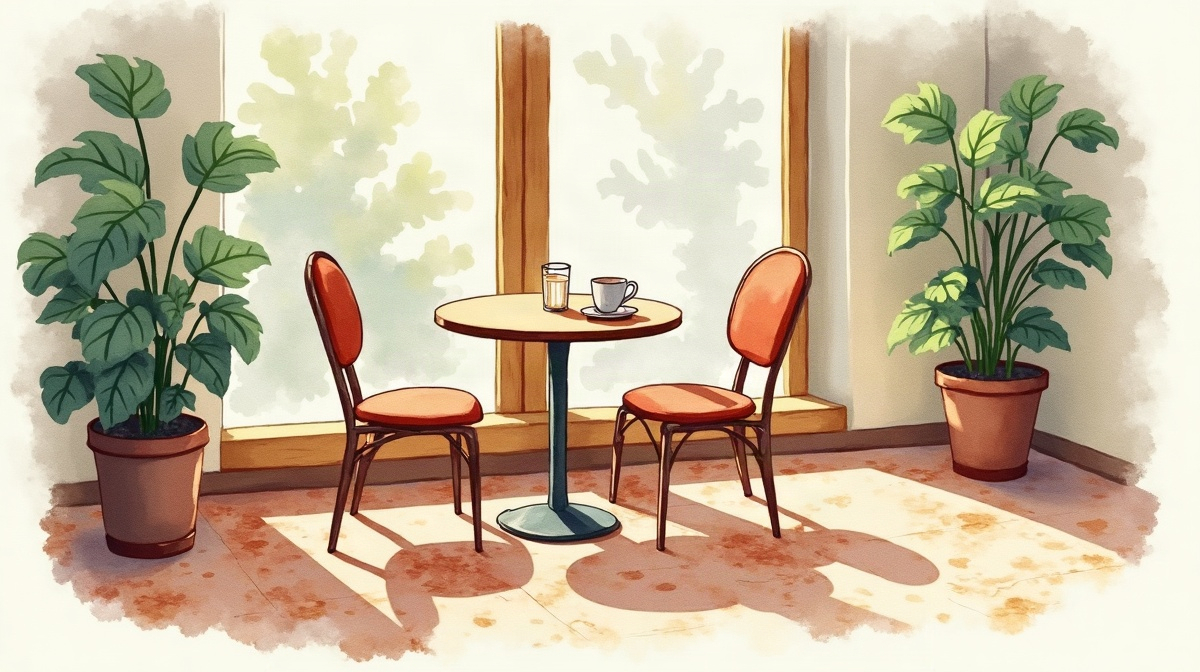
Start where you go. A single place you visit anyway beats six heroic plans, because faces turn into names only when you are seen more than once. Choose the cafe under your office, the park you walk through at dusk, or the lift lobby at 6pm, and let people clock your repeat appearances until a nod becomes a hello.
Keep the ask small. Instead of a perfect dinner, try a ten-minute chai after class, or a walk to the metro, then repeat it next week so the thread holds. Two sentences that work in the wild: "Heading for chai downstairs, want to join for ten?" and "Walking to the station at 6:10, fancy the company?"
Being OK alone while you rebuild helps, because pressure eases when evenings are not a test. If that is a live question, this piece will likely steady you: How can I be alone without feeling lonely?. I am a fan of boring steadiness over fireworks.
I see adults freeze at the send button. Keep this very small. Send one line you can bear, then put the phone down for ten minutes while your heart thumps and your brain recalculates, because waiting quietly is part of making room. If your mood sits flat and energy keeps vanishing, read Am I depressed or just bored?.
Make refusal easy. Use lines that carry their own exit: "Heading for chai at 4 by the lobby, want to join for ten? No worries if not." Or "Walking to the station at 6:10; join if you like." If you want me in the room while you try this, a first conversation is thirty minutes and free, and booking runs through a form first.
Money and access matter. Check whether your employer uses 1to1help; it is employer-provided counselling and free to the employee. YourDOST is often free through an employer or a university and works in 20+ Indian languages. If budget is tight or you want to start quickly, these are practical doors to try.
Decide on one person or one place before the evening sinks. Keep the scale tiny. Send a message that asks for ten minutes at a spot you already pass, or decide you will stand by the same chai counter tomorrow and order the same thing twice this week, because repetition does more work than effort.
If there is no reply, you did something ordinary and good, and it still counts. Put the phone face-down for ten minutes and make tea. Next week, try a different tiny ask with the same person, or choose the same place again, because steadiness is what lets weak threads thicken into something that holds.
Is it normal to have no friends in my thirties?
Yes. Adult life shuffles your social map after moves, role changes, and breakups, and there can be a long gap before anything grows back. Painful and common can sit together. I would look at logistics first: steady places and repeats. Become a regular somewhere, make tiny invites that are easy to refuse, and keep them going long enough to feel less weird.
I try and still end up with no plans. What am I missing?
Effort spreads thin when it is once-off. Ten different first tries rarely beat one place and one person returned to many times. Keep invites small and repeatable, like a walk to the metro or a short chai. If shame swells, say the line out loud and hit send anyway, then put the phone down for ten minutes.
How many friends does an adult need?
Numbers mislead. Pay attention to whether at least one person knows your ordinary week and you can ask for help when things are messy. Some people feel held with one close friend and a few friendly faces; others like a wider buzz. Build slowly around reliability and ease rather than chasing a target someone on the internet suggests.
How do I avoid seeming needy when I reach out?
Make it easy to say no. Offer short, bounded invites that stand on their own, and include one clear exit line: "No worries if not." People read safety more than charm. If you worry about overdoing it, alternate weeks, or switch between two tiny asks in the same place so interest can breathe while the thread stays alive.
Will counselling help with loneliness?
It can help you see the week you actually live and choose moves that fit it. I work as a counsellor. In sessions we pay attention to time, place, and habits, we test small changes, and we keep what proves useful.
Written by Satlaj Sachan, a counsellor in Bengaluru working Book a first conversation.