Before dinner, interrupt the slide toward a blank evening. Move first. Drink water. Finish one small thing you can point to. That order is doable even on your worst days.
Short answer. Move first. Drink water. Then finish one small thing you can point to; that simple order changes your body's state and marks a clean break from work, so the evening does not get swallowed whole.
In short:
That gap between leaving work and eating decides whether the night gets lost or steadies. It buys you room. Start with a short burst of movement and a cold drink, then add one small finish at home so the day stops spilling into everything and choice has a chance.
Order matters when your brain is knackered from decisions and small fires. I see it most in lift lobbies at 7 pm, shoulders high with keys clenched. One clear sequence removes the debate with yourself and strips away tiny frictions that would otherwise steal the night.
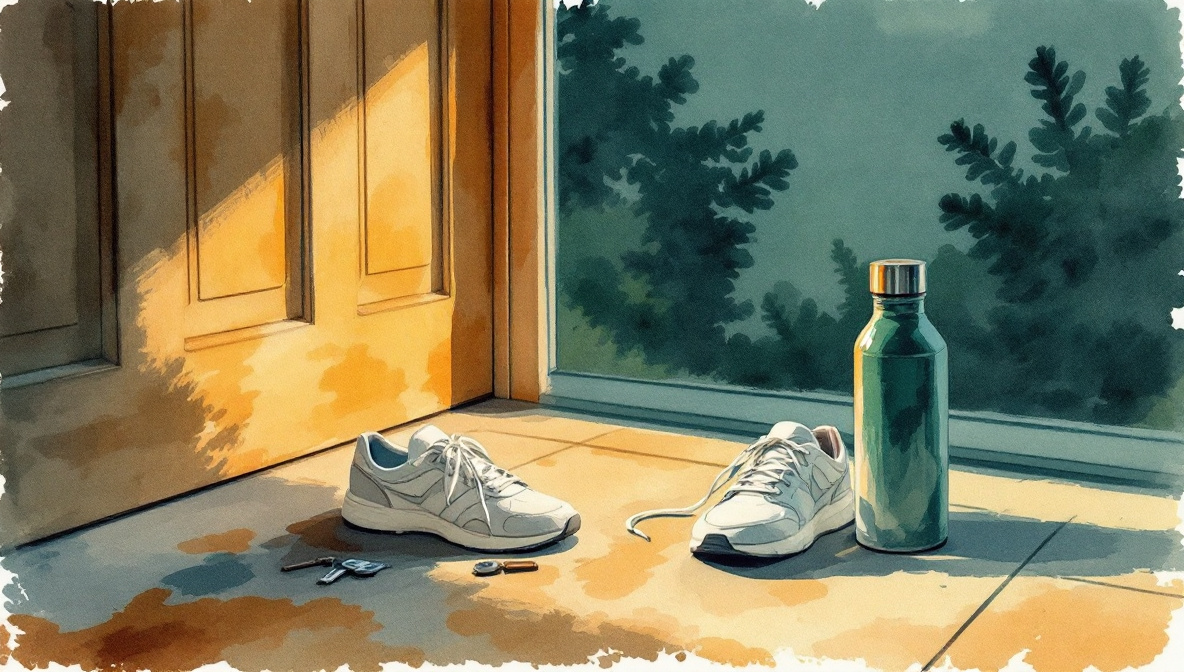
When energy is thin, pick the easiest action that shifts your eyes away from a screen and puts your feet on ground. Decide before you arrive. Line up shoes by the door and a saved song; choose the building stairwell as your path so the first step is automatic on hard evenings.
Keep it brief and rhythmic, and give the outside world a slice of attention. Twelve minutes is plenty. The aim is a clear state change. Let your feet move and your breath steady while your eyes land on a far object, so the body's alarm eases and home feels like home.
Cool water tells a clenched system it can stand down. Make it feel physical. Drink a full glass after moving and rinse your face or hands, then leave the bottle where you will see it later so this becomes a fresh segment and the next glass stays likely.
Hydration evens out edges left by caffeine and long meetings. Alcohol pushes the body the other way and muddies recovery, so if you plan a drink, push it later in the night after you have eaten. I have seen small changes in timing make evenings less jagged.
Choose something you can finish in one go and point at without apologising. Say the finish line. Visible helps because the message matters more than the size of the task; match socks, empty the bin, wipe the bathroom mirror till it shines once, or pay one bill that takes two clicks.
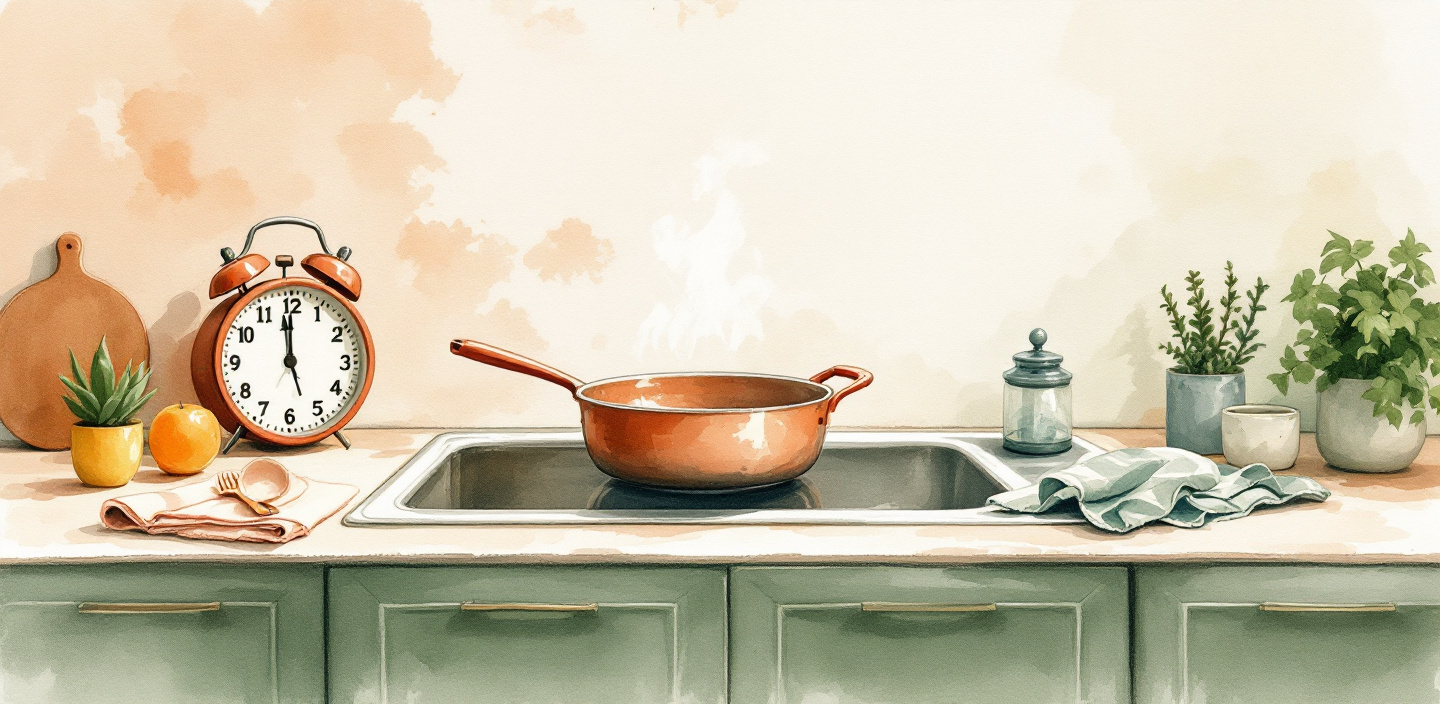
Cap it at fifteen minutes so it cannot sprawl across the night. Use a kitchen timer. Keep work inboxes out of this window because they drag you back into the day's adrenaline, and this slot is for closure at home and a cleaner handoff into dinner.
When nights keep collapsing into fights or dread at home, or into heavy drinking with blowback, the routine is a bandage. The wound needs attention. Ask a counsellor for space to look at the pattern and its costs. If work burns you out most weeks, read Burnout symptoms at work: what should I look for, and what can help?; it helps you decide what to raise and where.
Make the next evening easier while your head is clear now. Place shoes by the door and put a filled bottle near the keys. Choose tonight's small task. Charge your phone away from the sofa, and switch off push alerts until morning so reflexes do not eat the gap before dinner.
Say your plan out loud before you start. Name it up front. When the plan is spoken, housemates stop guessing and you stop apologising later; use a single sentence like "I need twelve minutes to reset; back by 7:20; then we cook," and the evening becomes less combative and more predictable. If you want help deciding who to see, read Counselling or therapy: what is the difference, and who should I see?.
What if I only have thirty minutes before dinner?
Shrink the pieces and keep the order. Do five minutes near home: a short walk or two flights of stairs. Drink a full glass of water. Then do a one-minute task such as wiping the mirror. If you need to cook, let chopping be the task.
I hate exercise. Does movement still matter?
Yes. This is a state-change, not a workout plan. Movement is a signal; a slow stair climb works, and a short amble near your gate also works. Sweeping one room counts too. Pick the version you are least likely to skip, and keep it short so the bar stays low.
Can I change the sequence to suit me?
You can. Try it as written for four evenings first and observe your sleep and mood by 9 pm. If swapping helps, keep the change. If the evening slips again, return to movement first, then water, then a small finish you can point to.
How do I do this if I commute by bike or Metro?
Treat the last leg as the cue. After parking or stepping off, take a short walk or climb a couple of flights near your building, then drink water at home. The tiny pause breaks the chain from commute to couch and keeps the evening from vanishing.
What if I get home and start crying?
Sit and feel the chair under you and your feet on the floor. Drink some water. If you can, do the smallest task in reach, like tossing junk mail or matching two socks.
Written by Satlaj Sachan, a counsellor in Bengaluru working Book a first conversation.