Yes. Coffee can switch your body into alert mode, so the lift tilts into jitters, worry or a racing heart. It often passes. Food, water and slower sipping can soften it.
Short answer. Yes, this happens to many adults. Caffeine blocks sleepy signals and cranks up the body's alert system, so the lift can tilt into jitters, worry or a thudding heart, especially after poor sleep or on an empty stomach. It usually eases; there are gentler ways to have it, and simple things you can do in the next hour.
In short:
Caffeine blocks the body's sleepy signals and lets the alert system run louder, so the pleasant lift can tip into shakiness, a loud heart, sweaty palms and a vague dread, even on a quiet morning. It is very common. In my room I hear this from people who sleep light, drink fast, or skip breakfast.
Sensitivity varies wildly: some bodies tolerate an after-lunch espresso while others feel spun out by a small milky cup, and rate matters, because gulping a large drink lands harder than sipping slowly across an hour. Context changes the hit. Alcohol the night before, nicotine, dehydration, strong hunger, or reading grim news while drinking can all amplify the spike, so two similar cups on two days rarely feel the same in a real week.
Adenosine usually helps you feel sleepy and keeps the system balanced; caffeine blocks it, which lifts the brakes, so naturally stimulating chemicals speak louder and the nervous system leans toward threat even when nothing much has changed. Your body reads speed. A steep rise hits harder than a gradual one and can feel like a startle, so thoughts often chase the body and pick the scariest topic available.
Timing plays a part because cortisol runs higher earlier in the day, and stacking caffeine onto that can sharpen edges. Stomach and blood sugar matter too. On an empty stomach, acid plus speed plus no fuel often shows up as buzzing, queasiness, and doom-thinking; food and water slow absorption and steady things in a way rules about quitting never do.
Start with the clock and the last cup, because when the anxious wave arrives within an hour of drinking and fades a few hours later without a clear life trigger, the coffee is the likeliest voice in the room. Check the feel closely. Caffeine-anxiety is often buzzy, chesty and restless, where your usual anxiety may skew ruminative, shame-heavy, or people-focused.
Two identical Mondays can still land differently, which is why I ask people to track timing, sleep, food, and context for a week before making decisions too quickly. If you keep muddling general anxiety with a coffee spike, this piece can help sort symptom families: read Am I depressed or anxious?.
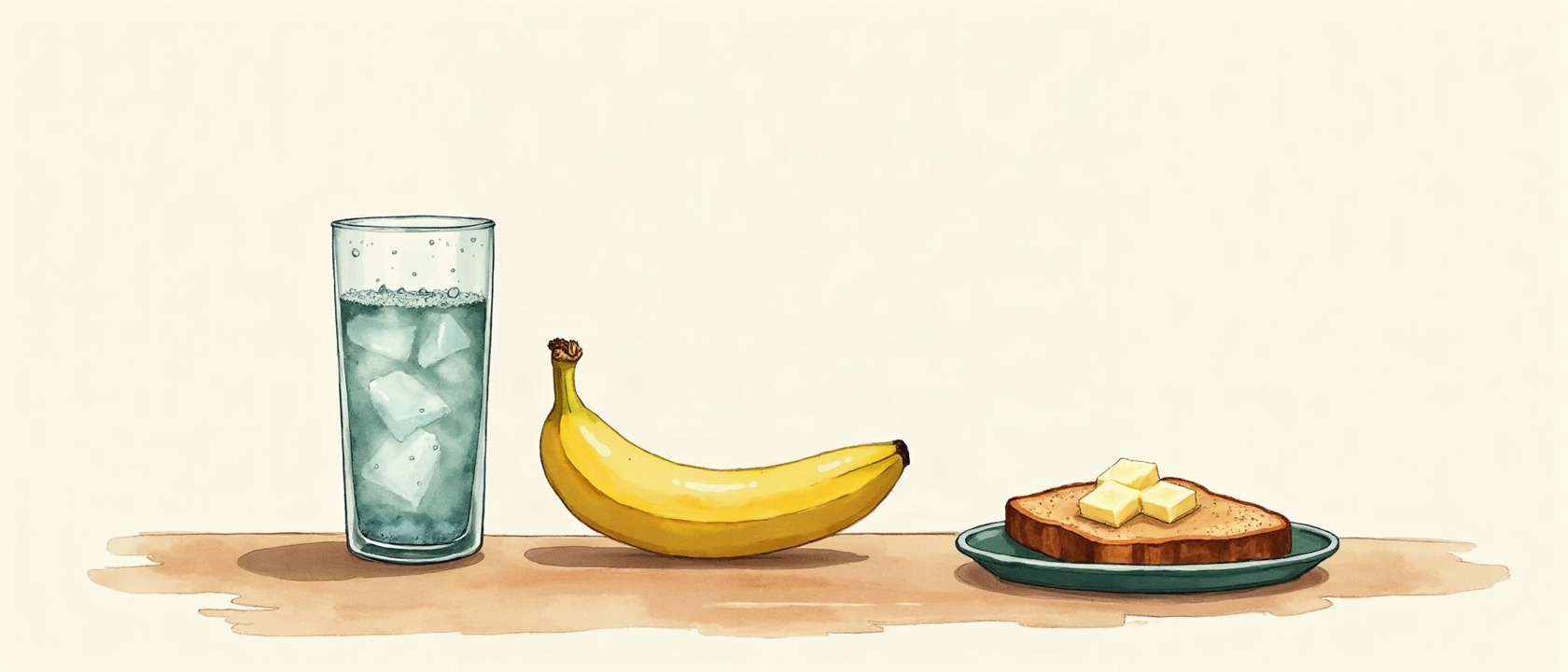
Stop adding caffeine now and skip the sugar-chaser, because one cup too many is already enough discomfort, and piling more on top tends to extend the spike rather than ease it. Keep things very simple. Water plus something salty or protein-dense will steady you faster than arguing with thoughts. Light movement gives the adrenaline somewhere to go, so walk, fold laundry, or stretch while breathing through your nose with a longer, easier exhale.
Cold can cut the edge for some bodies, so rinse your face with cool water, hold a chilled glass to your temples, or sip something cold and plain. Step outside for light and air if you can. For longer-term tools when alone, I wrote this with specifics you can try: How do I deal with anxiety when I am alone?.
Begin with size by ordering a smaller cup or asking for a single shot, and slow the rate by sipping across twenty or thirty minutes rather than gulping, ideally after food and a glass of water. These tweaks stack gently. Caffeine later in the morning is often kinder than right after waking, when your system is already cranked up.
If you like tea, swap one daily coffee for tea and notice the difference; many people find the mix of less caffeine and L-theanine gentler, yet strong tea on an empty stomach can still buzz. Decaf has less caffeine, not zero, so test one small decaf after food and see what your body says over a week rather than across a single day. Scripts that help at the counter can remove guesswork and spare you from making a fast decision while wired.
Consider a wider change if small amounts of caffeine have tipped you into panic more than once, or if severe sleep problems, reflux, or palpitations flare with coffee despite food and slower sipping. Listen to those flags. That is a good moment to talk with a doctor about heart rhythm, reflux care, or medication timing, and to treat energy drinks and fat-burners as a hard pause.
If you want a room to think about stress, sleep, and the patterns that keep you on edge, that is counselling work more than coffee science. A first conversation is thirty minutes and free if you want to speak with me. If burnout or low mood sits under this, read Am I depressed or just bored? and decide what deserves attention next.
Tonight, drink a full glass of water, eat something simple with salt or protein, and place tomorrow's first coffee beside breakfast rather than before it. Set one reminder now: order a small, sip slower, and see how your body talks back.
Why does coffee suddenly make me anxious when it never used to?
Bodies change with sleep, stress, hormones, illness, and speed-of-drinking. A stretched season, new medication, or less food can flip a familiar cup into a spike. Eat first, sip slower, and shrink the size for a week to see whether the pattern holds before deciding anything bigger.
How long does a caffeine spike last in the body?
For many adults, the sharpest edge eases within a few hours as your system processes caffeine. Water, food, light movement, and a longer exhale help it pass. If the wired feeling lingers through most of the day, especially with heart symptoms, speak to a doctor for a medical check.
Does decaf still cause anxiety?
Decaf has less caffeine, not zero. Some people still feel jittery after multiple decafs or when they drink fast on an empty stomach. Try one small decaf after food for a week and watch your body's response. If you feel fine, keep it. If not, shrink the cue further or space it out.
Is tea better than coffee for anxiety?
Tea usually contains less caffeine per cup and has L-theanine, which many find gentler. That said, strong tea on an empty stomach can still buzz. Switch one daily coffee to tea for a week and notice sleep, mood, and body feel. Keep what helps and drop what does not.
Should I quit caffeine if I already have anxiety?
You could, yet most people do fine on less. Smaller cups, slower sipping, later timing, and eating first help a lot. If you choose to stop, stepping down gradually can reduce headache and fatigue. Give yourself a week to see changes before judging the experiment.
Written by Satlaj Sachan, a counsellor in Bengaluru working Book a first conversation.