
When fog, irritability, and dead batteries hit, timing and context sort burnout from hormones. I show what to notice for three weeks, how to talk to your doctor, and one work tweak.
Short answer. Burnout and hormones can feel identical on a bad Wednesday. The quickest way I know is to watch timing and context: if rough days gather around workload and meetings it leans work-side; if they map to your cycle or other body shifts, see a doctor while you also steady your week.
In short:
Keep it very tiny. Each night, jot two small numbers for energy and irritability and add a two-word tag like 'day 18' or 'client escalation', because that tiny log shows whether your worst days bunch around meetings and deadlines or around your body's own calendar. No fancy app.
I am a counsellor in Bengaluru, practising since 2015, and I look for repeats rather than a single dramatic day. Think of the lift lobby at 10:02 on a Monday when your calendar opens and your chest tightens. If the feeling is more grey flatness than strain, Am I depressed or just bored? is a useful cross-check.
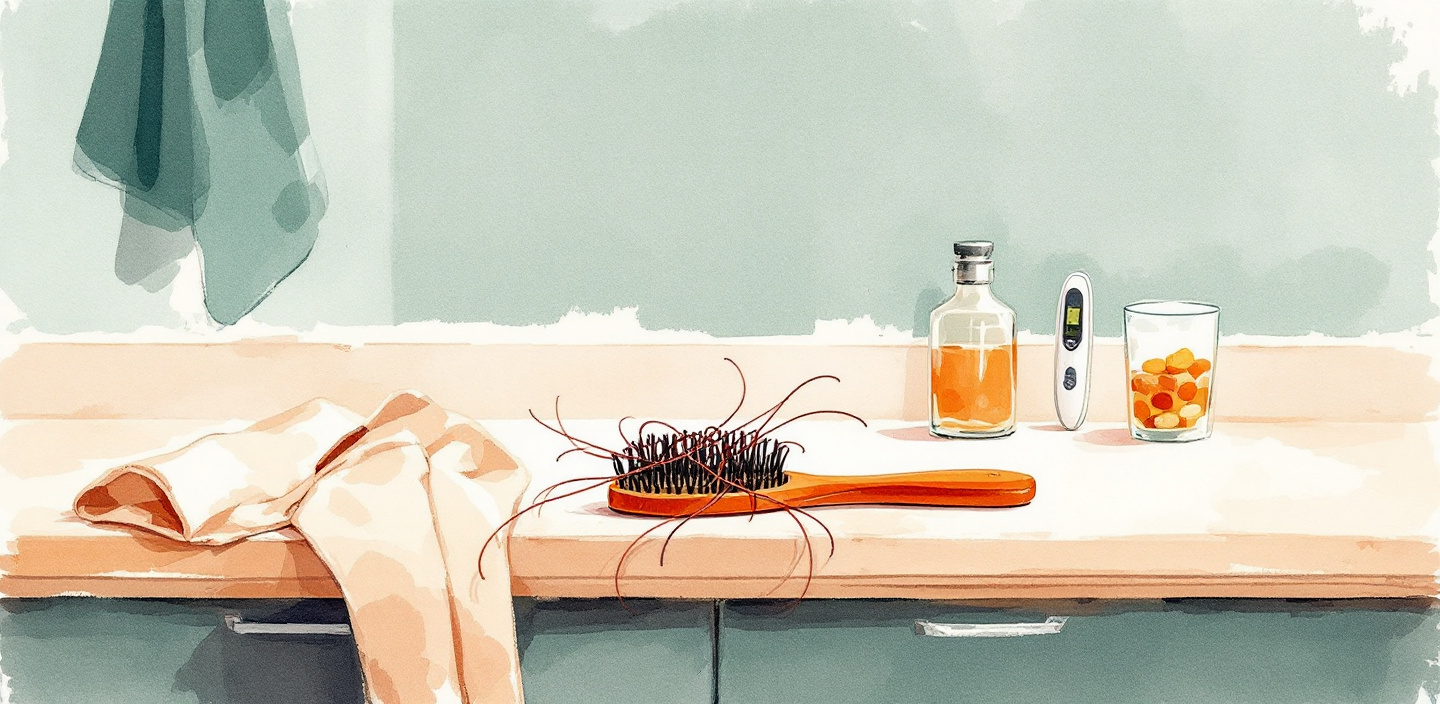
Watch the windows. If mood and sleep keep shifting around predictable points in your menstrual cycle, or you notice sudden changes in temperature comfort, new headaches, skin or hair behaving oddly, or tingles in fingers, hormones often deserve first attention, including thyroid, iron, B12 and vitamin D questions that can mimic low mood and anxiety quite convincingly. Bodies are noisy.
If these repeats keep showing up, book a GP or gynaecologist and take your notes. Include current medications, contraception, and supplements because they colour the picture and help the doctor choose what to check first.
For a routine visit, ask whether checking thyroid, iron, B12, vitamin D, and sugars makes sense for you. Bring your three-week log and mark the lowest-energy days so they can see clusters. In the room, plain words help more than perfect phrasing. I like concrete Tuesdays over beautiful summaries.
Look at Sundays. A swell of dread before the week and spikier reactions to small asks, paired with a shrinking sense that your effort buys anything useful, point to workload, culture around you, messy processes, or punishing self-expectations, which is the territory I call burnout at work. Leave that calms you, followed by a slump the hour the calendar refills, leans the same way.
I wrote about experiments in Burnout symptoms at work: what should I look for, and what can help?. Keep the ask tiny. Try a two-week trial: 'I will block a daily 30-minute focus slot and fold one standing meeting; can we review output and adjust scope then?' In my room I watch the 'useful' feeling; when hours rise and usefulness shrinks, that is the flag.
Make the log live where you already stand. A sticky note near the kettle wins because it catches you at night making tea, and three taps in your calendar works too if you live on your phone. No fancy app. Imperfect notes still tell the story.
If body clues are loud, start with a GP or gynaecologist; if work patterns glare, start counselling. Both can run in parallel without turning this into a project, and the order matters less than getting one good conversation going. I prefer parallel when energy allows. It prevents long detours.
Say this out loud. To a doctor: 'Across three weeks my lowest energy days bunch around cycle days 19-23; could hormones, thyroid, iron, B12, vitamin D, or sugars be part of this, and what should we check first?' To a counsellor: 'Dread peaks on Sundays and after back-to-backs; I want fewer decision switches and a way to raise scope.' If you want help choosing a professional, Counselling or therapy: what is the difference, and who should I see? lays out the rooms.
Shrink the day. Move one demanding task into your best hour tomorrow and gate email into two batches. Cancel or fold one standing meeting for a fortnight, and add a protected 30-minute focus block.
Less switching often makes work feel possible even when energy is thin. I keep returns modest: 5% easier counts.
Pair it with one body-friendly support while you check your health. Stop caffeine after 2 pm for a week and step into daylight after lunch; add protein to breakfast and take a slow fifteen-minute walk after dinner. Keep expectations very low. For the why and more small experiments, see Burnout symptoms and treatment: what should I look for, and what can help?.
Tonight, put a small sticky note near the kettle with two words on it: 'energy' and 'irritability'. Write the numbers after you brush your teeth and be done. If you have a little left, block tomorrow's 30-minute focus slot. That is enough for today.
Can burnout and hormones both be happening at once?
Yes. When both are in play, run two tracks in parallel: ease a little space at work and ask a GP or gynaecologist about the body side. Treat this as a season of data more than a verdict. Hold big career calls for a few weeks. Keep your tiny log and review it at the same time each weekend.
Should I get blood tests before counselling?
You do not need tests to begin a counselling conversation. Many adults talk while they also ask a GP whether checking thyroid, iron, B12, vitamin D, or sugars makes sense. Bring three weeks of notes so you spend fewer sessions guessing. A doctor decides which tests are relevant for you.
Can perimenopause start in the late thirties?
For some, changes begin in the late thirties; for others, later. Repeats matter more than a single awful week. Watch for shifts in cycles, sleep, temperature comfort, libido, or mood that keep returning. A gynaecologist can assess what your body is doing. Counselling helps you organise support at home and at work while you explore options.
Which doctor should I see first for this?
Start with a GP for a first pass. For cycle-related concerns, a gynaecologist helps. Thyroid or broader endocrine questions often go to an endocrinologist. Take your three-week log and current medications, including contraception or supplements. A clear one-line goal for the visit makes it easier for them to choose what to check.
How do I bring up workload when I feel fragile?
Make one small, time-bound ask and put a review on the calendar. Try: 'For two weeks, please allow a daily 30-minute focus slot and remove one standing meeting; can we review output next Friday?' Practise the sentence once in your notes. Short sentences help when your brain is overloaded.
Written by Satlaj Sachan, a counsellor in Bengaluru working Book a first conversation.