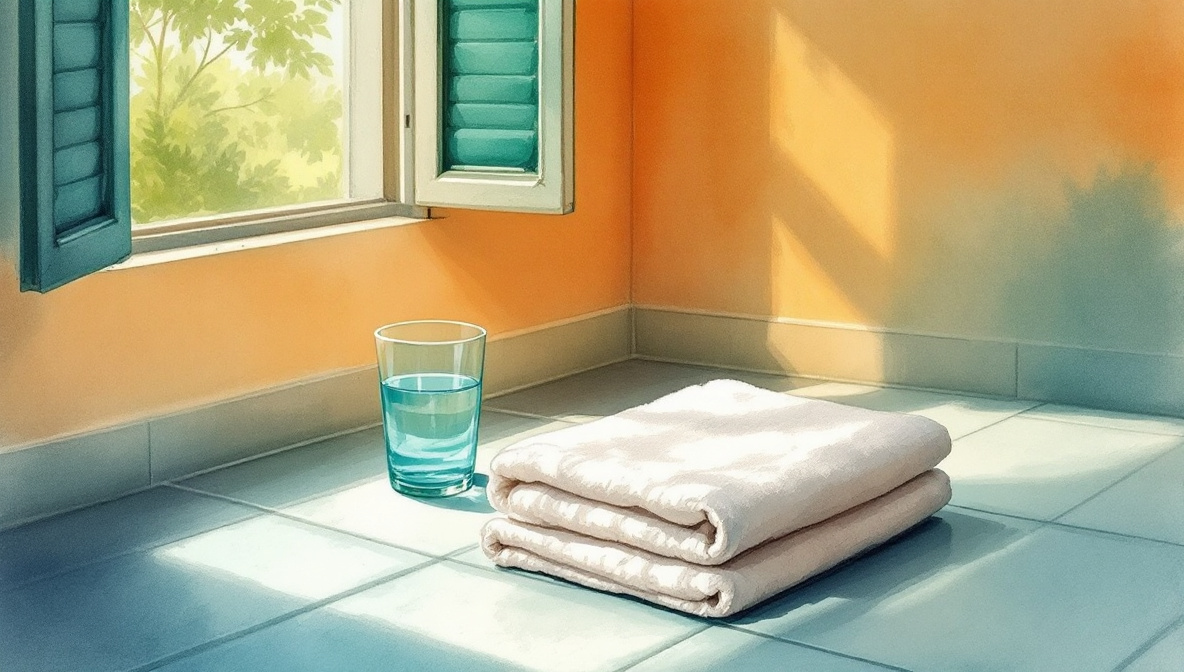
Screen-free rest is plain: phone away, lie down with feet up, sip water, or step out unmeasured. Imperfect tries still count. Repeating a small act helps across the week.
Short answer. Put your phone in another room. Then do one small, boring thing that asks nothing of you: lie down with a towel under your head, feet on a chair, sip water slowly, or step outside for an unmeasured walk. Doing it imperfectly still counts and is enough for tonight.
In short:
Rest is any pause where your body stops bracing and attention can idle without a ping or a task tugging at it. Two minutes often help. Let the room be ordinary and your breath unremarkable, because rest begins when nothing needs improving and you permit a short spell where nobody expects you to answer right now. Smaller moments are easier to repeat across a week, and they add up quietly.
As a counsellor in Bengaluru, practising since 2015, I meet many adults who say their phone swallowed evenings they meant for rest. Screens are designed to hold you. Quiet attention returns on its own when you stop feeding it novelty and light. Skip the heroic stuff and look for shoulders that drop and a jaw that forgets to clench.
Decide a time and a spot before dinner. Put the phone behind a door in another room, and choose one simple posture your body already trusts. Two minutes often help. Set a quiet timer elsewhere if you want a container, then lie down and let your eyes close while you keep your jaw loose and feel the weight of your head and calves.
Feet up helps circulation for many, so place your calves on a chair and slide a small towel under your head. Drink a glass of water slowly, and listen to the room while you swallow. Fidgeting usually still counts. If the floor is hard, use a mat or fold a bedsheet twice and let your spine feel supported while nothing else happens.
If you live with someone, name it so they do not worry: "I am going to lie down for five minutes, then I will wash the dishes." Say it just once. People respect clear starts and finishes when the request stays small, and it protects the rest from casual questions that would otherwise yank you back into doing mode.
Micro-rests help because they land in the gaps you already have. Park your attention somewhere neutral, give your hands or eyes one simple job, and allow the part of you performing to soften, like loosening a belt. Two minutes is plenty. Because short rests fit into what you already do, your body learns the entry faster and you avoid turning rest into another performance that demands scores or screenshots later.
Pick one and repeat it daily, even when you feel fine. Do it every day. Repetition helps more than novelty because your body learns the route in and stops spending energy on deciding, which quietly reduces the friction. If weekends keep vanishing into recovery, start sorting it using this: Burnout symptoms and treatment: what should I look for, and what can help?.
Many people expect immediate calm and get boredom or guilt instead. Expect a little awkwardness. Your system has been running hot, so idling can feel unfamiliar for a while, like stepping off a treadmill that is still humming in your ears after a long day at work. Treat the fidget as proof you paused, and give yourself a clean second chance later the same day.
Make the friction real. Put the charger in another room, face the phone down inside a bag, switch off smart watches, and use an alarm clock that does one thing. A visible boundary helps other people too: "Out for air, back at 8:10" on a sticky note beats a vague "busy". Your future self should not have to negotiate every evening.
When the fog feels like sadness rather than tiredness, pause. Name it out loud. This piece helps you sort that difference without drama: Am I depressed or just bored?. Big label or small mood, the next step is the same here: pick one easy, screenless act and repeat it this week while you watch for any small lift in appetite or attention.
See a counsellor soon if sleep will not come for nights on end, panic keeps spiking, or your days feel flat in a way that does not shift with rest.
Treat rest like brushing your teeth. Make it deliberately boring. Keep it simple and regular, and let it live beside meals and commutes rather than inside an app that chases streaks or badges and turns rest into work again tomorrow. Four dots on paper beat a spreadsheet: draw a small dot on your calendar each day you rested screen-free, and stop there.
Anchor it to cues you already have so deciding takes no energy. Right after lunch, after your last work email, after you park the scooter, or when the kettle goes on for chai, lie down or step out. Protect the window too: mute group chats for an hour, and leave the phone in a drawer that shuts.
Does reading a paper book count as rest?
Yes, if the book is gentle or familiar. Reading can be restful when you are not gripping for plot or instruction. Re-reading a chapter works well, as does paging through a cookbook or poems. When your eyes tire, close the book and sit with the weight of it for a minute.
How short can a rest be and still help?
Very short. Even sixty seconds can change gear if you stop doing and let your eyes or hands idle. Frequency matters more than length, so tuck rests beside meals or commutes and expect a small lift later rather than fireworks in the moment. If today felt packed, stand by a window and exhale twice.
Can I rest with music on?
Yes, if the music does not grab your attention. Old songs or instrumentals can be gentle. Keep the player out of your hands so you are not tempted to skip or scroll; a small speaker across the room helps. If it turns into a concert in your head, turn it off and sit quietly.
How do I stop checking my phone while I rest?
Put it out of reach before you start. A closed bag across the room works better than willpower. Switch off notifications for an hour and face the phone down. Use a kitchen timer or a basic alarm clock as your container. If you live with someone, ask them to hold it till you finish.
What if I live in one room and cannot put the phone away?
Create distance inside the same space. Drop the phone in a backpack and zip it, or leave it in the bathroom while you rest near a window. If you use music, queue it up and walk away from the phone before you lie down. The little walk to fetch it back is part of the pause.
Written by Satlaj Sachan, a counsellor in Bengaluru working Book a first conversation.