Exhausted and still scrolling? Bedtime procrastination often buys late freedom, a pause before tomorrow, or relief from a noisy bed. I name patterns and small moves to try tonight.
Short answer. You put off sleep because bedtime is the only unsupervised hour you get. Those minutes buy late freedom, quiet, or a pause before tomorrow. Let's make the night easier without making it joyless.
In short:
Bedtime often becomes the only unsupervised hour of your day. Those late minutes buy a feeling of choice and privacy, and a small claim to being a person who picks something for themselves even when meetings, chores, calls, and messages have been steering everything. The phone sits close and offers easy company you can be quiet with, without hosting or impressing.
Turning the light off can feel like signing for tomorrow. When the morning looks heavy, people stall at the border and let midnight float them a little longer, even as eyes sting and shoulders ask for rest. I hear about this in lift lobbies and kitchens; a last reel plays while the toothbrush waits.
I look at function first. In my room in Bengaluru, where I have been practising since 2015, I ask what the late hour is buying you this week, because change lands better when we protect the reason you stayed up in the first place. Then we test kinder exits.
Blame explains very little here. Bodies get wired after late work, bright light, heavy food, and caffeine, and the bed turns into the place where stray thoughts hold the noisy meeting you skipped at four in the afternoon. Shame pours fuel on it and keeps you outside the doorway with your phone as a shield.
If you are weighing laziness against low mood, sit with Am I lazy, unmotivated, or depressed?. Long days with low control also push bedtimes late; the work piece sits here: Burnout symptoms at work: what should I look for, and what can help?. Both pages play well with this one.
Systems usually beat grit at midnight. Predictable routines calm a body that has been on duty all day, and they make the decision to lie down less dramatic. Design the late hour for landing by moving a small slice of freedom earlier in the evening, so the bed stops feeling like a loss and starts reading as a place you chose.
Offer yourself a tiny token before teeth: two songs while doing the dishes, a warm shower, a short step outside, or sitting by a window with a paperback. Then set an exit cue you respect, like a lamp on a timer or an alarm that says close the day. Keep it easy. Practise keeping it once this week.
Big plans collapse on the first bad day, so keep the ritual small enough to survive late dinners and spilled milk. If you want a sense-check on where to take this conversation next, read Counselling or therapy: what is the difference, and who should I see?; it helps you pick the room that fits the task.
Flat moods love midnight. The bright rectangle throws quick colour, with a second wind right behind, while the slower kinds of satisfaction feel far away. If that rings true, sort it with Am I depressed or just bored?; it helps you decide whether today lacked glow or whether low mood needs attention.
Prime the evening upstream. A short walk after dinner, five quiet minutes on the balcony, light stretches, or rinsing tomorrow's mug can raise the floor on how the night feels, because small wins teach your brain that ease is available outside the screen. It is a humble effect and often enough.
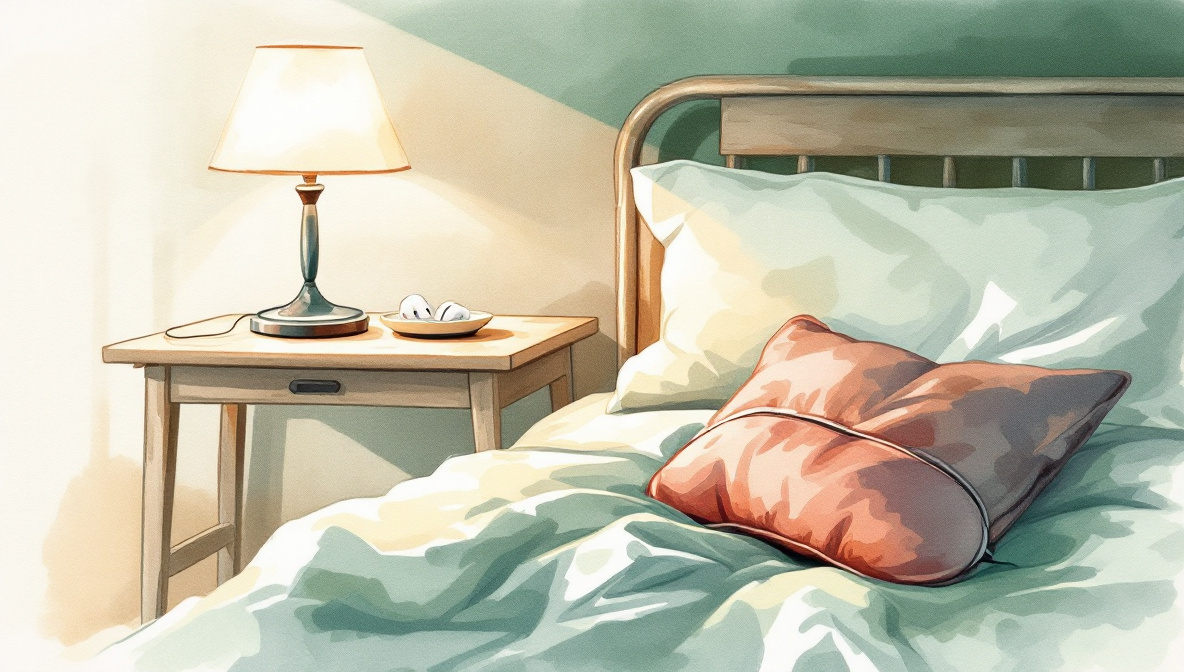
Beds need allies. Add a lamp you like, fresh pillowcases on Wednesday, an easy book, and a softer blanket. Keep heavy conversations for daytime and keep rousing content out of the bed, so your body starts to associate that space with arrival and relief rather than decision-making or late debates with yourself.
Say it straight once a night. Write a single line like I stayed up for quiet or I stayed up to avoid tomorrow, and see what repeats by the weekend. When nights feel lonely rather than wired, sit with How can I be alone without feeling lonely? and add comfort to the evening.
Exit signs help many brains that otherwise run laps in place. Choose cues that are gentle and predictable, and keep the setup small. One cue is enough; stacking ten creates noise. Test one for a week before changing anything, and then keep whatever helped you leave the screen without a quarrel.
Work expectations shape nights too. If late replies are taken for granted, try this line in the next stand-up or chat: I am protecting my sleep; after ten-thirty I will be offline except for emergencies, and I will clear morning messages first. Say it once, and then follow through for a week while you test your new exit.
What is revenge bedtime procrastination?
A shorthand for staying up late to reclaim time you felt taken by the day. The 'revenge' is a small rebellion against schedules, meetings, chores, or caretaking. Use that label to find the function. Say, out loud or on paper: I stayed up for _____. Then pull a small slice of that earlier so the bed carries rest.
Is sleep procrastination a sign of ADHD or anxiety?
It often travels with ADHD or anxiety, and with burnout or low mood, because late hours feel like relief or control. On its own, it is a behaviour with reasons. If attention, restlessness, dread, or forgetfulness make your week hard, speak to a counsellor and include sleep early. Ask directly for help with evenings and stopping cues.
Should I force a strict bedtime?
A steadier rhythm helps many bodies. Choose a wind-down window and one reliable, low-effort pleasure that shows up before lights out, then an exit cue you respect. Iron lines tend to create drama at 11 pm. Repeatable plans that survive messy days do more. Hold the window loosely for a week and watch mornings for small relief.
Does blue light really keep me awake?
Light at night can make people more alert, and the content keeps the mind busy. Test it directly: dim main lights, reduce brightness, shift contrast, and pick calmer content for a few evenings. If landing feels easier, keep the changes. If nothing shifts, move effort to timing, caffeine, and the exit cue you set.
What if I wake at 3 am and cannot get back to sleep?
Wait a short while, then leave the bed and do something quiet in low light: a dull paragraph, soft music, knitting a few rows, or sitting by a window. Return when your body feels heavy again. If this shows up often or affects safety at work or on the road, see a doctor. Prepare a chair and a thin blanket beforehand.
Written by Satlaj Sachan, a counsellor in Bengaluru working Book a first conversation.