
Try a phone-free Sunday morning for three hours. Expect withdrawal, then boredom; later, clearer thoughts can arrive. Setup, small trade-offs, and a simple rhythm you can keep.
Short answer. On a phone-free Sunday morning, the first hour often feels like withdrawal and the second drags with boredom. Somewhere in the third, your week's real thoughts tend to show up; I will show you how to set the house up, last that long, and bring the phone back on purpose.
In short:
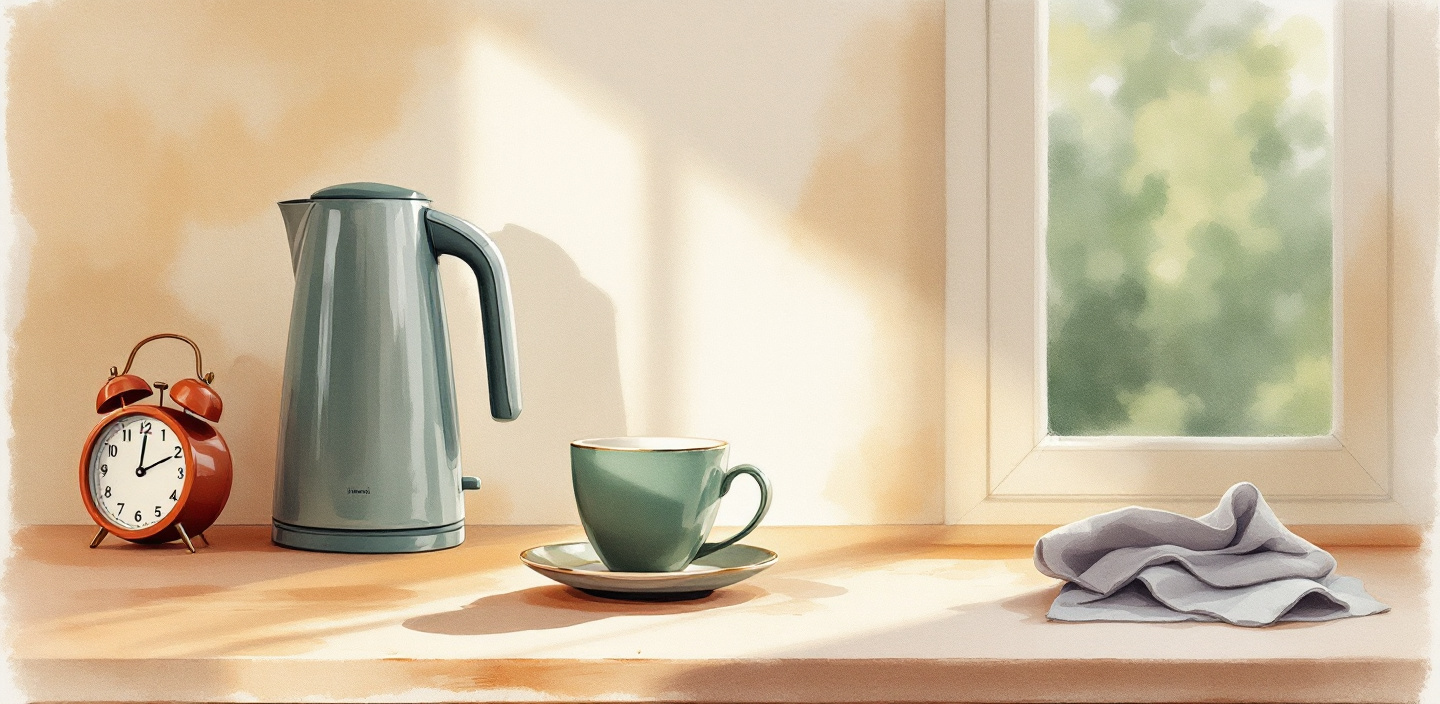
Your hand reaches anyway. A ghost buzz seems real, and somewhere between the kettle clicking off and the neighbours pressure cooker hissing you feel the tug, because your body has trained itself that checking means safety and a small hit of news. I keep people moving through this bit: tea, a broom, a chair pulled to the window, and a cloth while the urge peaks and fades like a passing horn.
Then boredom settles in with a sulk that looks like tidying a single shelf and then another, or staring at one square of sun inching along the wall. I treat boredom as a tool. Keep your hands steady with small finishes, like rinsing two cups or watering four pots, and let the itch complain in the background until it gets tired of itself.
Somewhere in the third hour, thoughts often line up where they can be seen. These are small, ordinary ones you have been carrying in scraps. In my room I see shoulders drop when a person finally writes the exact sentence they have been dodging all week. Use a pen on cheap paper and let the boring and the sore sit together without forcing decisions.
Decide the rules now. Tell two people you will be offline until lunch and name one fallback contact, set Do Not Disturb so only chosen calls pass or repeated calls break through, and park the phone in another room, sealed. Living with someone? Agree doorbells and deliveries; decide what counts as urgent; then hold the line together without fuss.
Tomorrow-you needs fewer choices. Put breakfast basics where you can see them, lay out two low-stakes tasks you can finish without screens, leave a pen with a small timer on the table, and fill a bottle with water. One drawer to sort, or a dal pot to start, is plenty. Morning fog lifts faster when the house is already whispering what to do.
Boredom is deliberate work. Give your attention a simple job and keep your hands moving with ordinary tasks while the itch to scroll drops from sharp to tolerable, because bodies calm when they are occupied with small things that actually end. I say this often in the room, and I mean it.
I like a loose rhythm you can hold on a sleepy Sunday. Start with chores and breakfast, then sit by a window or on a balcony, then take a short walk without headphones, then write what is crowding your head, then read a few pages from a paper book. Keep it dull on purpose.
If being by yourself scratches, borrow an anchor from this piece: How can I be alone without feeling lonely?. Put a cushion on one chair and your notebook on the table; make the place gentle and boring so your thoughts feel safe to come out. Tea helps.
Reachability wins today, period. On-call work, caregiving hours, deliveries that need OTPs, or a day when your phone sits inside an agreed safety plan, those mornings ask for smaller experiments: airplane mode during breakfast, turning off data for one hour, choosing a short silent commute, or leaving the phone in a drawer while you bathe.
Screens excuse themselves cleverly. The laptop calls itself work, the tablet says it is reading, a music app feels harmless, and even the TV whispers company, and by noon you can feel like you failed a straightforward thing while your day leaked away through checks that never steady your head. Make friction for yourself and keep it kind.
Mood can dip around the second hour when the room goes quiet and older sadness wanders in. Eat something warm, sip water, plant both feet on the floor, and look out of a window for thirty seconds. If a social plan needs cancelling, write the message on paper now and keep it short and courteous.
Big themes often appear. Work worries, money dread, small resentments, and the clear admission that you care about a thing you kept pretending you did not, all of it can land in daylight when the feed goes quiet. Write them plainly, circle what is yours to act on, and leave the rest in the margins.
Patterns matter more than any single Sunday. Keep the pages and look back after a few weekends to see what keeps repeating. For a steadier room to sort next steps, this explainer helps you choose well: Counselling or therapy: what is the difference, and who should I see?.
For flat days that feel more empty than busy, read this and test what fits you: Am I depressed or just bored?. Tonight, fold a page into a four-line list, pick a bowl to be the phone bed, set Do Not Disturb for the morning after next, and tell one person you will be back by lunch. Then sleep.
Do I have to start with three hours?
No. Begin with ninety minutes if that feels human. You will probably taste the withdrawal and the boredom. The clearer thoughts often arrive later in the morning, so you may miss that part. Build tolerance over a few weekends. Note when the fidgeting eases and what you were doing then, and use that next time.
Can I do this on a weekday?
Yes, though weekdays ask for smaller hopes. Try a ninety-minute block before lunch or split an hour into two quiet halves. Commutes, early mornings, or post-gym time can work if you set DND rules tightly and tell one person. Even a shorter window can steady your head if you end on paper.
What if I keep checking anyway?
Make cheating inconvenient and reset without drama. Put the phone in another room inside something you would have to open noisily, log out of messaging on your laptop, move chargers out of reach, and choose a single seat for paper. Each time you lapse, stand up once and return to the seat. Five resets still count as practice.
Will this help my anxiety or my sleep?
Sometimes this steadies a day; sometimes anxiety spikes before it settles. Shrink the window if distress rises and keep the rules gentle for a few weekends. For ongoing anxiety or sleep trouble, consider speaking with a counsellor and adjust phone boundaries alongside that work. Sleep improves most when evenings get quieter and wake-up checks slow down.
What if I live with someone and they want in?
Agree a shared window and the ground rules ahead of time. Decide who handles doorbells and deliveries, what counts as urgent, when you both come back, and which room each of you will sit in. You could also do staggered hours so the house keeps moving. Write your lists separately and compare later if you like.
Written by Satlaj Sachan, a counsellor in Bengaluru working Book a first conversation.