
Plain signs of anxiety and depression in adults. Everyday examples, overlaps and differences, one safety step if risk is acute, and small checks you can try this week.
Short answer. Anxiety often feels wired and urgent; depression often feels heavy and flat. Both show up in adults as shifts in sleep, appetite, energy, focus, and that private running commentary. I look for patterns across a week rather than single sharp moments.
In short:
Anxiety often drags your body into alert mode before your mind catches up. Your whole body buzzes. Emails feel urgent even when they are routine, shoulders climb towards your ears, your stomach flips, you touch your phone again without meaning to, and a thought insists that if you pause, something might collapse.
Low mood can make mornings feel sticky and small tasks swell. Gravity wins over the shower; food tastes thin; your face stops telling the world anything useful; even jokes bounce off. The game of 'what is the point' runs quietly in the background and pulls you away from people you usually like.
Both can sit in the same body across the same week. I believe your account. You may sprint through Monday and slow by Thursday; Saturday evening arrives with the tap running while you stand there, annoyed at yourself and half certain everyone else is moving on while you are frozen.
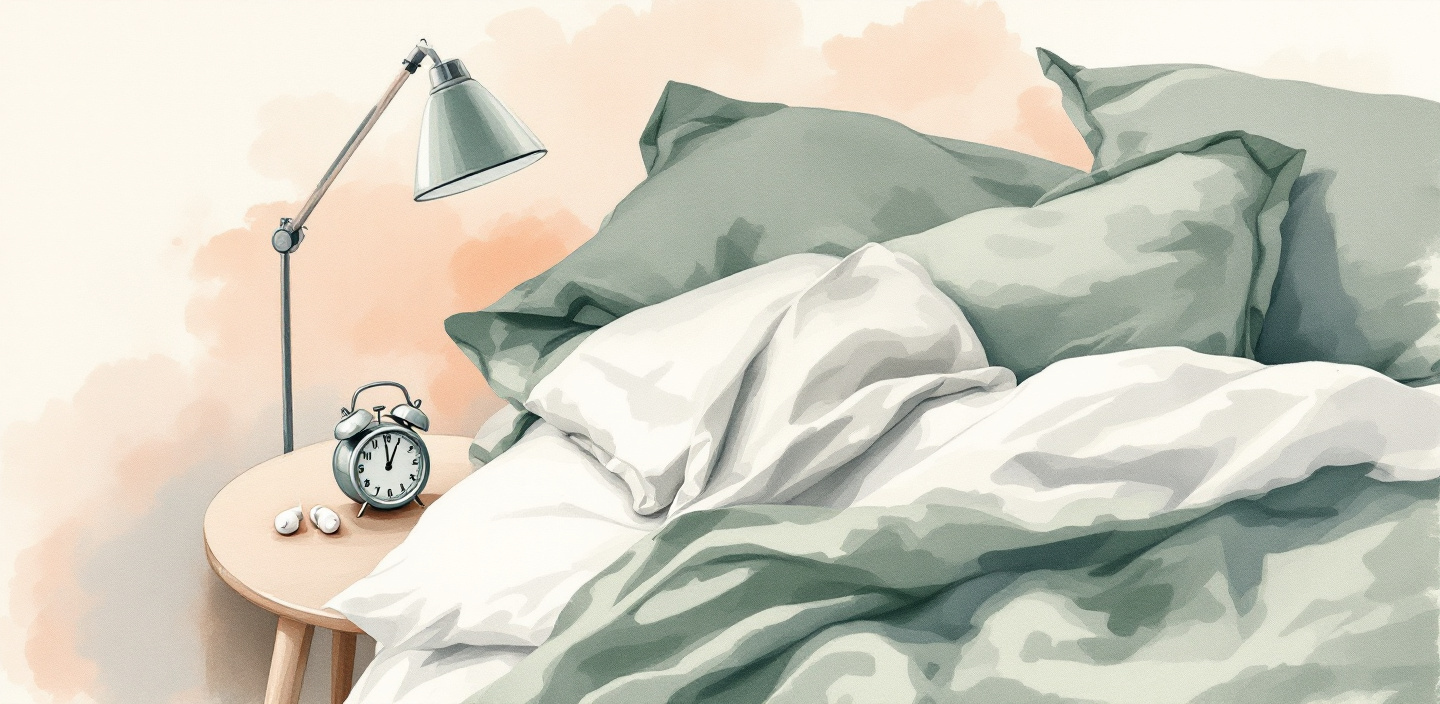
Watch your daily rhythms. When bedtime drifts later for several nights, appetite swings wider than usual, concentration slips out of meetings, and your neck or jaw aches for no good reason, your system is asking for relief, even if you have not named anything yet. I check those first.
Speed often separates them. Anxiety runs fast and forward, scanning for what-ifs and pushing action; depression drifts slow and heavy, stuck to thoughts that circle loss and shame; a heavy sense of uselessness sits like fog. Irritability shows up in both, which confuses people who never felt 'sad' and still suspect low mood.
Make the call if parts of life are shrinking around these signs and you are pushing harder just to hold the line. Start with something small. Send a short message that names two things: the pattern you notice and when you are free this week; add what you want from conversations if that feels safe. Try: 'I have choppy sleep and evening worry; I want steadier days; are you taking new people; Tuesday 7 pm or Thursday morning works'.
Choose someone you can speak freely with and whose schedule you can actually make; make sure they are comfortable with the sort of days you live. Ask two things: how they usually work with anxiety or low mood, and what the first month tends to look like. For context, I am Satlaj Sachan, counsellor in Bengaluru, practising since 2015; I work with adults roughly 25 to 45.
Write it down daily. Note bedtime and wake time, any naps, caffeine after lunch, alcohol, screens after dinner, movement you actually did, and whether you ate enough to feel steady; a week of scribbles beats trying to remember. I like a notebook on the kitchen counter because that is where evenings tend to stall.
Aim for gentler evenings. Dim screens after dinner, step outside for a slow walk, set a caffeine cut-off, and skip late heroic workouts. Simpler food helps on low appetite days: toast with an egg works; so does dal-rice. Leave the fancy recipes for weekends when you have spare energy.
We slow things down. In sessions I listen for the links between the body, your calendar, the stories you tell yourself about being lazy or weak, and the choices that look optional but keep your life upright. Then we organise small experiments you can actually run next week, and I keep you company while you test them.
Often I will ask what your body was doing in the lift lobby before the meeting that went sideways, as well as what you said in the room. I am interested in ordinary days, because ordinary days are where mood sits and shifts. If you want to compare roles before you start, this helps: Counselling or therapy: what is the difference, and who should I see?.
Some weeks we talk; other weeks we plan and review, and sometimes we sit with a hard feeling until it stops scaring you. There is no single arc I would sell you, only the next step that fits your day and is survivable. We pay attention to what eases and what costs too much.
Context changes the picture. If your week is screens, commute, meetings with low control, and praise that never arrives, mood will suffer and attention will fray; evenings may feel flat even when technically you have time. I ask what is happening around you before we name anything inside you.
If your days feel samey and dull, read this next: Am I depressed or just bored?. For work-heavy weeks with snapping patience and poor sleep, try this one: Burnout symptoms and treatment: what should I look for, and what can help?. A practical move while you wait for a call back is to write one change you can test at work this week and tell a colleague you trust.
Tonight, put a notebook and pen on the kitchen counter and write one line about how the day actually felt. That is enough for now. If you forget, do it after brushing your teeth. Place it beside the kettle so you trip over it.
What are common physical signs of anxiety or depression?
Bodies speak early. Anxiety can bring a fast heart, tight jaw, shallow breaths, and lighter sleep. Depression often brings heaviness, low energy, slowed movement, and appetite changes. Notice how these shift across a week rather than in one sharp evening.
Can anxiety and depression happen in the same week?
Yes. Many adults describe a wired, urgent start to the week and a flat end to it. Use the speed of thoughts and the pull to do or withdraw as clues. Tracking sleep, appetite, focus and irritability over seven days makes the mix easier to see.
Why do my symptoms spike at night?
Fewer distractions, screens, and long shadows make room for worry to get loud. Build a gentler last hour and keep the phone out of reach of your pillow. A short, slow walk after dinner helps some people settle before bed when thoughts run hot.
Is irritability a sign of anxiety or depression?
Often, yes. Snapping more than usual can sit with a wired system or a flat one. Check what happens just before you snap: hunger, poor sleep, tight deadlines, or a feeling that nothing you do counts. Treat irritability as a signal that something needs adjusting.
What should I track for a week to spot a pattern?
Keep it simple and repeatable: bedtime and wake time; caffeine and alcohol after lunch; movement you actually did; food that kept you steady; and any big stressors. Add one line on mood and one on the harshest thought you caught. Paper beats memory.
Written by Satlaj Sachan, a counsellor in Bengaluru working Book a first conversation.