Emptiness can be low battery, a safety dimmer after overload, or plain boredom. Here is how I read it and small tests you can run this week.
Short answer. Emptiness shows up when the lights are on but nothing warms you. It can be low battery or a safety dimmer after overload. Sometimes it is the flat taste of doing things that do not matter to you.
In short:
When I say empty, I mean days that move on schedule while the inside of you feels untouched. Tasks get done, replies go out, the bin is taken downstairs, and calls get answered, yet nothing lands where meaning usually sits. People call them cardboard days, with cotton-wool thoughts that blur at the edges. I see this often in my room.
Peace and empty can look similar from the outside. Now check for warmth. If there is a tiny ease or the small wish to water a plant, that often signals quiet peace; when every single thing feels distant for hours, including food and music, that usually points to empty. You do not have to be sure; uncertainty itself is usable information.
I often read emptiness as a protective move or a resource issue. After weeks of intensity, the system turns the volume down so nothing spikes. That shutoff can feel like touching a stainless-steel sink at 6 am, cool and clean, while the city is still dark and the kettle has not clicked yet. It can be clever, even when it is unpleasant.
Labels can help if they change what you try next. Start with your context. If work has eaten all your spark and the weekend never restores anything, that often smells like burnout; if the flatness comes with heavy self-criticism and loss of appetite, depression might be closer. Plain boredom also wears this outfit when your days repeat on someone elses schedule.
If boredom might be the core, read my take in Am I depressed or just bored?. When worry sits on top of the blankness, this piece helps you weigh it: Am I depressed or anxious?. You do not need a label to begin; we will test what your actual days respond to.
Two questions tend to sort the shape. What lightens the heaviness, even by a notch? And what makes it worse within an hour, like extra scrolling or an avoidable meeting, because the answer there often points to the thing that needs moving first. Write the answers somewhere you can see.
Patterns often beat stories. Long stretches of work you do not care about, effort that is ignored, reward that never arrives, or living to someone elses timetable will sand the grain off your days till they feel smooth and pale. Infinite scrolling trains your brain for quick sparks, so ordinary minutes taste flat by comparison. I have watched that pairing chew through motivation.
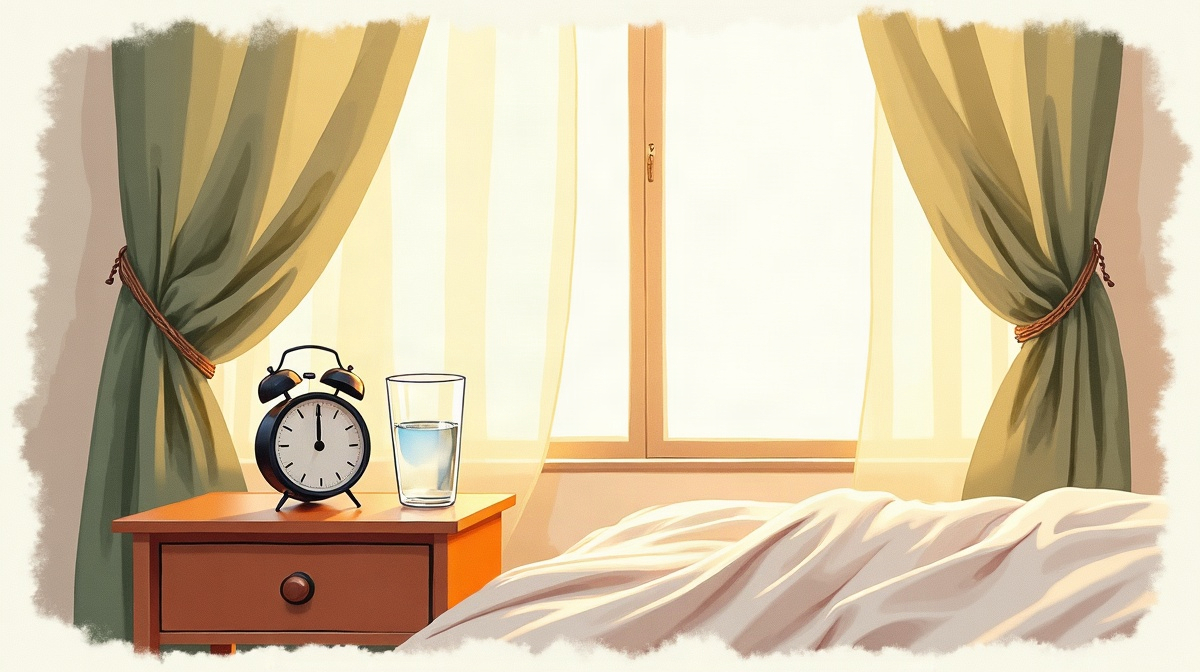
Sleep debt plus dull food can shift mood; missing daylight adds another weight. Open a window now. For some, emptiness is a freeze after weeks of anger or worry, when the system says enough and pulls the plug on strong feelings so your day can proceed, bills get paid, the dishes still get washed, and no one notices the storm. I treat that as intelligence and plan for recovery instead of another spike.
Start boring on purpose. Empty rarely shifts because you thought harder about why you feel empty; it shifts when your body gets steadier inputs and your days contain small moments that register, even if those moves look embarrassingly simple. Pick one lane for seven days and measure small changes. Consistency beats heroic Tuesday sprints.
Two good lanes this week: energy and friction. Energy might mean a real breakfast with protein and crunch, plus fifteen minutes of daylight before noon. Friction might mean your phone living in another room till the first coffee is done, and one small tidy you can see, like clearing the sink or folding the sofa throw. Write one line a day about what changed by even ten percent.
Add connection if you can manage one more lever. Send a simple check-in: 'Today was grey and I ate a real breakfast; please nudge me midweek'. Honest sentences beat upbeat masks when emptiness is in the room. Short and true travels further than a pep talk.
Big swings in sleep, big changes in appetite, new confusion, or memory gaps need a doctors room for a basic check before you spend weeks guessing.
For any first visit, make it easy for the person across the desk to help. Write it down first. Bring a single page that shows when the emptiness started, what reliably softens it, what makes it worse within an hour, and any new body changes, so you do not have to remember in the moment.
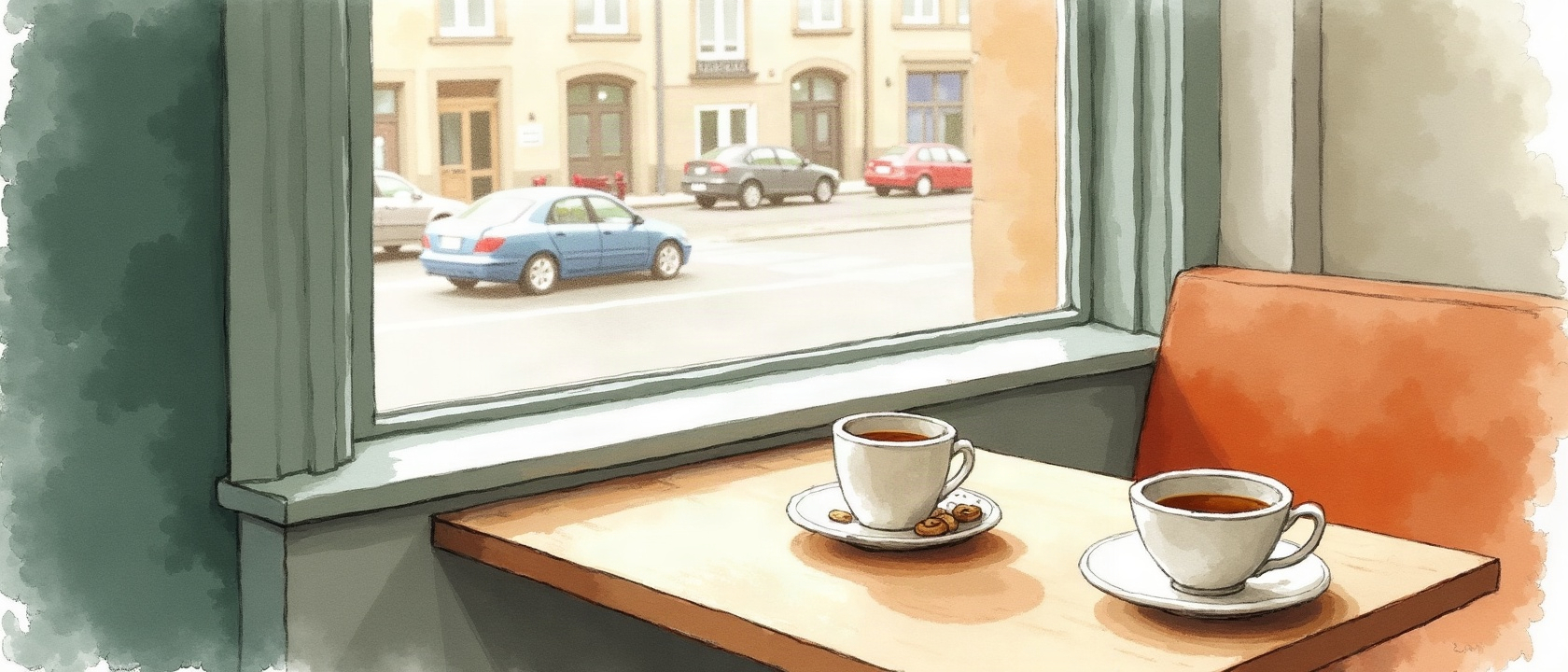
Rafiq means the friend who walks with you, and that is my posture in the room. Steady beats drama here. I am Satlaj Sachan, counsellor in Bengaluru, practising since 2015, and I prefer steady experiments over grand plans, often with two chairs, a window, a cheap fan, and tea going cool. Corrections make people freeze.
Energy and friction first; connection and meaning when you have room. If loneliness hides under emptiness, this piece may help between sessions: How can I be alone without feeling lonely?. Expect experiments that fit the life you already have; I am uninterested in new identities. It is ordinary work, and that is the point.
If you want a room for this, we can try it together for a while. A first conversation is thirty minutes and free; booking runs through a form. Tonight, put your phone in another room for the first hour after waking tomorrow, and write one honest line on a scrap by the kettle to see what that changes. Start there.
Why do I feel empty inside for no reason?
Often there is a reason, it just hides in small places. Low battery can do it. So can a safety dimmer after weeks of intensity, or the dullness of mismatched work. Start with two checks this week: daylight plus breakfast, and your phone away for an hour after waking. Watch what budges by even a notch.
How long does emptiness last?
Timelines vary. Some people see a small lift within a week of steady basics; others need a longer patch of rest and practical changes. I avoid promises here. Track weeks on a page, note what eases and what worsens the blankness, and get a basic medical check if your body throws you any new curveballs.
Is feeling numb the same as depression?
Numbness can be part of depression, and it can also be a stress shutdown. The felt sense helps: heaviness and harsh self-talk tilt toward depression; blankness after weeks of worry tilts toward overload. If you are weighing those shapes, this can help: Am I lazy, unmotivated, or depressed?.
Do simple basics like breakfast and daylight make any difference?
They can nudge the system if low battery is in play. A real breakfast adds fuel and steadies caffeine. Daylight helps your clock and moods. Moving gently can loosen static and wake appetite. None of these is a plan by itself; they only clear the fog a bit.
Is online counselling as useful as meeting in person?
Pick the format you will actually show up to. Video suits tight schedules or travel; the room helps when ritual and a change of scene matter. I offer both, and switching between them is fine. Try one, then notice what you remember from the hour and how you feel walking back to your kitchen.
Written by Satlaj Sachan, a counsellor in Bengaluru working Book a first conversation.