
Happiness creeps back in small, ordinary ways. Keep tiny plans you can do on bad days. Bodies show first shifts. What to try this week.
Short answer. Start smaller than you want and repeat what helps on ordinary days. Feelings often follow the doing, while your body shows tiny lifts first: a steadier wake and a taste returning while your breath eases. If the floor keeps dropping or safety wobbles, ask for help early.
In short:
After a flat spell, happy returns as small, ordinary sparks. A smile that lands in your ribs. And chai that suddenly tastes like chai again while morning air touches your face in a way you can actually feel. Bodies tend to speak before thoughts settle, so I ask you to notice sensation and appetite first, not arguments in your head.
Many describe depression as numb more than sad. If boredom is tangled in it, this piece can help you sort signals without a label: Am I depressed or just bored?. Give yourself one litmus test each week: do ordinary things feel even a little less pointless than last week, even if you still mutter while doing them in the sink or the stairwell?
Flatness and worry often travel together. When dread dominates the picture, read this map and compare notes with your days: Am I depressed or anxious?. Two signals point to lift sooner than mood words do: steadier breath during chores and a tiny pull toward something outside your room today.
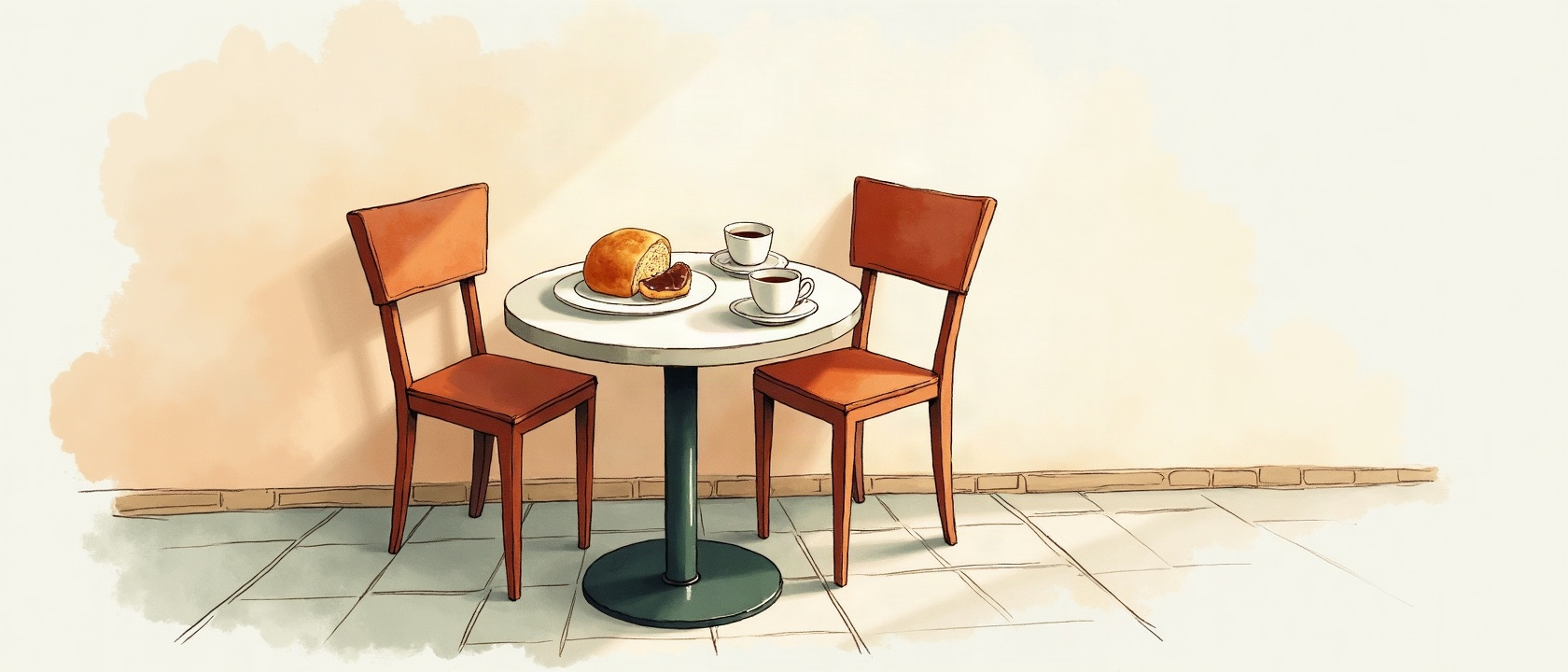
When mood is flat, I aim for actions that are easier to start than to skip. Keep it tiny today. Four minutes of something you choose will beat a perfect plan that sits on paper, and starting before distractions bite usually gives you the cleanest shot at doing it twice this week.
Pick easy proof over fantasy and let simple wins count, especially in mornings when your brain has not started arguing yet. Start before the day runs away. Keep your effort inside what you could carry on a worse Wednesday, because keeping a dull plan beats chasing a shiny scheme that collapses the moment life turns heavy.
Bodies often shift before mood lifts, so let boring markers count. Two signs matter early. A steadier waking time and a meal that tastes like something are signals the system has a little more air, and your browser may even sprout fewer abandoned tabs because attention holds for longer stretches without heroic effort.
Keep a record you can face on worse days, nothing fancy. Two lines are enough. Name one thing that felt a little lighter and write the exact shape so you can clone it twice this week when your brain forgets and your calendar behaves like a sieve.
I work like the name of my practice suggests. Rafiq means the friend who walks with you. In session we keep to your actual days, test small experiments inside your constraints, keep what holds on bad days, and drop what fails so the week gets a little easier to carry without speeches to yourself.
Ask this first, please. When you are choosing a room, ask plainly about a first month and how they work between sessions. Then ask how they will pace the work if you wobble, and to name a floor plan for thin weeks so you can notice progress in boring markers like sleep and steadier appetite.
A first conversation is thirty minutes and free, and booking runs through a form first. Starting can kick up old dust. If your first session leaves you buzzy or doubtful, read this and plan a gentle next day: Why am I anxious after my first session?. It often settles when pace is adjusted and the work fits your week better.
Mood returns in ripples, so plan a floor version you can keep when the graph dips instead of chasing a peak you cannot touch twice. Protect the floor version. On thin weeks, halve the minutes, keep the daylight date, and keep one social touch even if it is only a meme and a heart reaction.
Write two texts now. One to a friend saying you are short on words but could use a check-in tomorrow, and one to yourself with the smallest morning plan you can actually keep. At work, ask for one change that protects your floor for two weeks, like a later start one day or a trimmed meeting load.
Treat new steadiness as pencil for a while. Let it be boring. Add nothing heavy until you have repeated the helpful thing on four separate days that were not easy days. Tonight, put a cup and teabag by the window so tomorrow's daylight plan is already laid out.
How long until I feel happy again after depression?
There is no set clock. I watch for quieter shifts first: steadier waking, a taste returning, quicker recovery after a bad hour. Keep tiny actions you can repeat on worse days and review weekly. If nothing moves and your life is already arranged as gently as you can make it, book a medical review.
What can I try this week if I have no energy?
Pick one four‑minute anchor you can keep daily: light at a window, a short sink reset, or stairs and one easy loop. Put it before the day runs away. Text one person your plan so they can nudge you if you go blank. Keep it on good and bad days, then note what helped.
How do I tell if this is depression or burnout?
Watch what happens when pressure eases. If flatness shifts when hours and demands drop, workload is likely a big piece. If boredom keeps poking through, read this next: Am I depressed or just bored?. While you sort it, protect sleep and one daylight anchor you can keep.
What is the smallest next step I can take tonight?
Lay out tomorrow's anchor now. Put a cup and teabag by the window, set a two-line note in your phone, and decide one corner you will reset. Send one text: "Trying window tea at 7. Will report." In the morning, show up once. That single repeat matters more than size.
Written by Satlaj Sachan, a counsellor in Bengaluru working Book a first conversation.