Switching off means you end the day on purpose: park two tasks for tomorrow, mark a body boundary, and shelter your evening from pings you can control.
Short answer. End the day on purpose. Park two tasks for tomorrow, mark the change with your body, and quiet the pings you can. If your mind loops, give it a fixed box and time, then point thoughts back there.
In short:
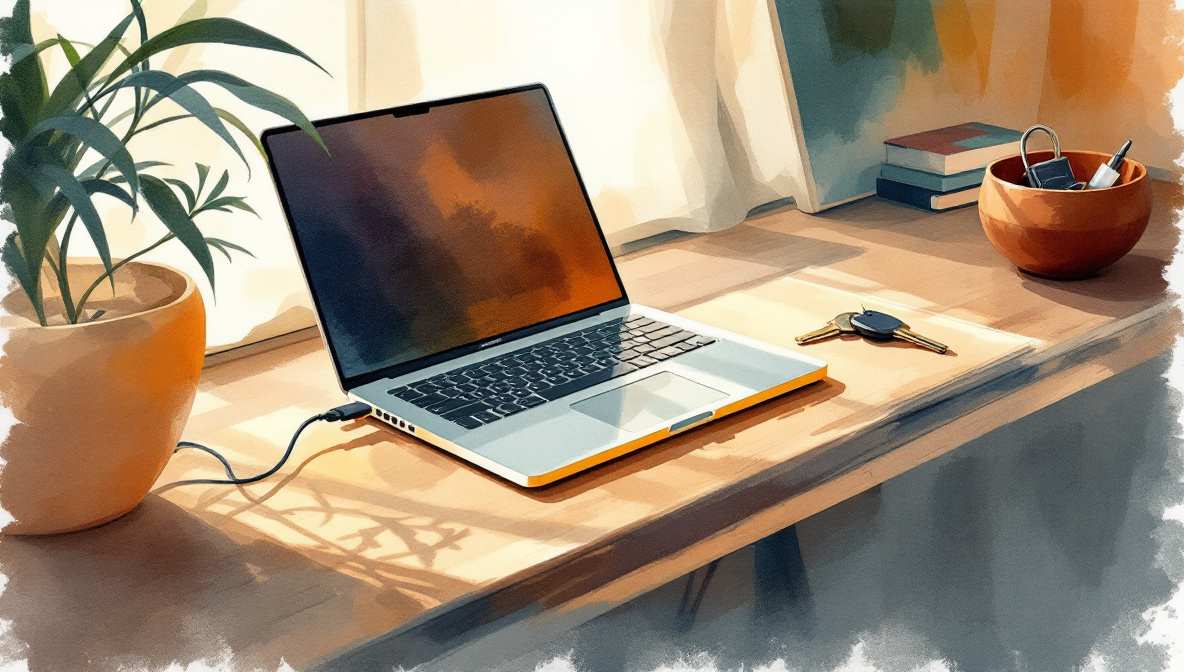
Make it visible daily. Close the laptop and coil the charger, then drop both into a drawer you will keep closed for the night, then do one home thing on purpose so your senses learn the switch between roles and rooms. Two plain actions, kept steady, train faster than a grand ritual that keeps shifting.
Use your body deliberately. Change clothes or wash your face slowly, then step onto the balcony and name the smells or colours in that small square of sky while the kettle comes to a boil, because attention sticks to specific, sensory work. In my room, action lands better than any lecture about calm.
Missed the mark today? Repeat the cue tomorrow and consider trimming steps or moving the time, then give it a week before you judge it, because small endings bed in with repetition and because nervous systems learn through predictable patterns. Treat results as information rather than a verdict.

Park tomorrow in view. Write two starting tasks where you will see them first, including the file link you will need, then place that page on your keyboard or in your bag so morning-you moves straight in. A small handrail beats a blank screen that asks you to decide everything at once.
Let your body close. Stand up and roll your shoulders, then wash your hands under cool water and really notice temperature and sound; if you prefer movement, take one flight of stairs on your way out. Two minutes done most weekdays wins. Do it even when you are annoyed.
Give the loop somewhere. After dinner, set a ten-minute timer, write each worry as one clear line, and next to it add either one tiny step for tomorrow or the word parking, then close the notebook and point your mind back there. One box, one time.
Expect it at night. When a thought appears again, give it a plain label like meeting replay or rent, say out loud where the note lives, then move attention into two body parts in order, such as feet and forearms, and breathe there for a minute. You are training attention; impressing yourself is irrelevant.
Look wider if persistent. When replay is nightly and dread bleeds into mornings, I start comparing your week with burnout signs and with workload realities, because routines alone can struggle to carry that weight; these two pieces can help you decide what to try next: burnout at work and a broader overview.
Protect a quiet default. Set quiet hours and turn off email push after a time you choose, then move work apps into one folder and sign out of the work account so you decide when to open them rather than letting them ambush you. Friction helps attention change tracks.
Ask for one rule. If a manager expects late replies, request a simple overnight policy and state your office hours calmly; one workable line is I reply by 10 am unless marked urgent, and for messages I draft late I use scheduled send. Name it once, then keep it.
On call needs clarity. If you are genuinely on call, agree a brief triage list of which alerts need action after hours and which can wait till morning, and publish that list where your team can see it and trust your boundary. At home, make one landing spot for devices and charge them there.
Watch the bigger pattern. Routines carry a lot, yet if dread runs your evenings for weeks, or if sleep has thinned and appetite has swung hard, speak to someone rather than trying to out-stare it alone. Starting early usually costs less effort than waiting.
Find names you trust. If you are weighing who to see, this plain explainer may help: Counselling or therapy: what is the difference, and who should I see?, and ask two people at work for recommendations as well.
Do the tiniest switch. Close the laptop and write two starter tasks on a page, then leave it on the keyboard. Wash your hands slowly under cool water while a short song plays, then stand at a window and name four colours, and when the song ends the evening begins. Then eat.
If that feels heavy. Do just the hand-wash and the colours, and see how your body reads the signal; before you log off, put a pen and one blank page on your keyboard for tomorrow's two tasks so your morning has something to hold. That is enough for a Tuesday.
How do I switch off after work when I work from home?
Shut down at your desk. Write tomorrow's two starter tasks and leave the page on the keyboard. Coil the charger and zip the laptop in a bag, then park the bag on one shelf you will keep closed tonight. Change clothes, then step to a window or corridor for one short song. That small action teaches your body that home has begun.
My brain keeps problem-solving at night. How do I stop it?
Give it one box and one time. Set a ten-minute timer after dinner and write each problem as a single line with either a tiny next step or the word parking, then close the notebook. When thoughts return, label them and point your mind to that page, then move attention to two body parts in order for a minute each. Repetition trains attention.
My manager expects late-night replies. What can I say that works?
Propose one rule you can keep. You can say: "I reply by 10 am unless marked urgent." Turn on quiet hours so pings wait. Use scheduled send for messages you draft late. If you are on call, agree a simple triage list of what needs action after hours and what can wait. People often accept a boundary once it is named and kept.
I end up drinking to unwind. What else can I try first?
Eat something salty and drink water slowly. Wash your face, then take a short walk or a cool shower before deciding on a drink. Park tomorrow's two tasks and put the phone out of reach so work is less in your hand. Alcohol changes sleep and mood; if it is doing you harm or feels compulsory, speak to a doctor or a counsellor and make a plan.
Do I need counselling for this, or will routines be enough?
Routines help many people. Try two anchors on most evenings for a while and watch what shifts. If dread still runs your evenings, talk to a counsellor and look at patterns and choices together. To weigh who to see, this explainer may help: Counselling or therapy: what is the difference, and who should I see?.
Written by Satlaj Sachan, a counsellor in Bengaluru working Book a first conversation.