
New city, heavy evenings. Choose repetition: be a regular once a week, fix one standing call, add two small rituals at home. Directories and EAPs can help you book.
Short answer. Loneliness eases when life has shape. In a new city, choose repetition: be a regular somewhere each week, and set one standing call with someone who knows you. Add two small evening anchors so the day has edges, favour low-stakes rooms where faces repeat, and keep safety simple when you meet people.
In short:
This is ordinary ache. A move wipes out the small repeats your body relied on: the chai guy, a nod at the lift, the bus beep, the corner shop bell, even the same stray at the gate. Your senses keep scanning for those anchors and keep finding air, and that constant scan is its own labour by Friday.
Loneliness points to a need for familiar presence and shared time. Noise often worsens it when your head is already stuffed from a hard day, while silence booms right after the door shuts. I look for plain places that can hold you while you settle. Boredom helps more than brilliance in the first month.
Busyness can distract you for an hour; belonging grows when faces repeat. If you want the version for nights you choose to spend alone, this sits beside it: How can I be alone without feeling lonely?. Keep the week simple while recognition builds. Two known places beat seven new ones when energy is thin.
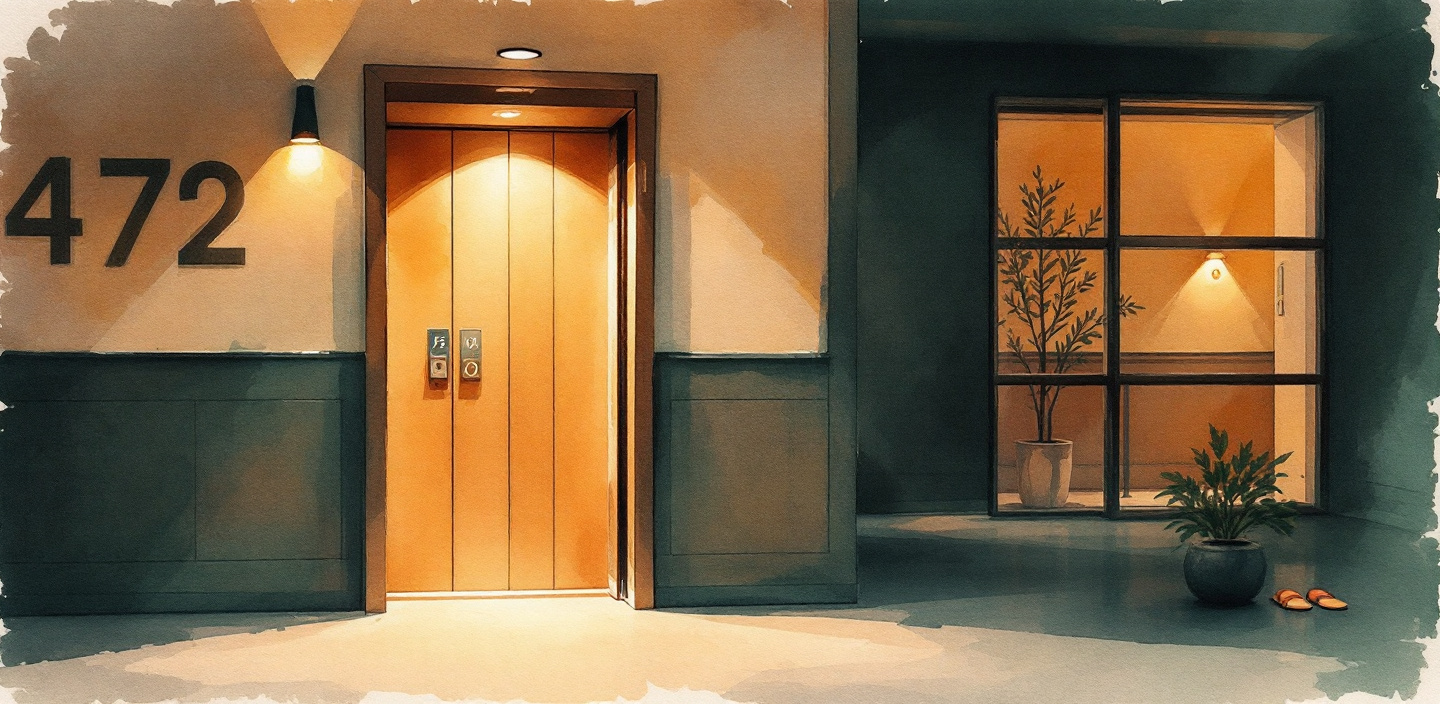
Start with two anchors. Pick one repeated place outside the house, and claim one standing call with someone who lights up when your name appears. The pair works because it gives you held time that survives mood swings, while everything else can stay messy for a bit. Boredom is a handrail.
Be a regular where staff notice faces and the route feels simple. Walkable beats aspirational across the city when energy dips after work, because you will still go when you are flat and hungry. Choose side-by-side tasks: language, ceramics, pick-up sport, or a reading group with actual pages in hands, and show up a handful of times before judging fit.
Keep it really boring. Choose low-stakes rooms where hands stay busy and faces repeat, so you can point at the task instead of performing across a high table. Short, practical lines work: "Which bus gets you here fastest?" or "Where do folks leave bags today?" Let the pause breathe for a second.
Warmth and caution, together. In the first month, favour groups and daylight while you learn the area, meet in public places, tell one person where you are headed, keep exits easy, and leave the instant your body tightens. Ask before sharing numbers. Block and move on if behaviour turns odd.
Notice how you feel on the walk home. When your shoulders drop after, that context probably feeds you; keep it. If you leave tense twice in a row, try a different slot rather than pushing charm uphill. Fit matters as much as repetition, so follow places that feel lighter before you even sit down.
Evenings need clear edges. Pick a two-step wind-down you repeat on weekdays, like a shower and a light dinner, or a quick sweep of the room and a phone on the shelf by 9 pm. Decide your sound for the night by 7 pm, then stop fiddling. Silence can echo when you are still settling.
If sleep keeps slipping, this piece can help shape nights without drama: How to build an evening that ends in sleep. Cook double once a week, portion it out, and invite someone to eat on your balcony or at your tiny table. People bond over ordinary food. Two plates and a shared bowl are plenty.
If stepping out helps your mood after eating, try a short, same-route loop near your home: The fifteen-minute walk after dinner. Put the shoes by the door so friction stays low. A loop you could trace in your sleep often beats a perfect route you never take.
Many employers quietly cover counselling through an EAP. Ask HR about 1to1help or YourDOST; booking there can be simpler when money is tight or paperwork makes you freeze. If you are choosing a counsellor yourself and want to compare names, directories help.
A steady room matters. Counselling gives you a place to think aloud about the life you are building and the habits that keep the ache fed, then we test small experiments and notice, week to week, what actually helps. I ask plain questions, and you decide what to keep. Rafiq means the friend who walks with you rather than correcting you; that is how I sit.
I am a counsellor in Bengaluru, practising since 2015. My work is with adults roughly 25 to 45 in English and Hindi. Sessions stay steady and ordinary; we look for simple places you can return to and habits that make evenings easier. We measure by how your week feels.
Choosing between kinds of help? These two explain the terms: Counselling or therapy: what is the difference, and who should I see? and Counselling vs therapist: what do these words mean, and who should I see?. Wondering whether your day job qualifies, read this: Do working professionals qualify for counselling?. Text one friend now to set a weekly call, then choose your 7 pm sound.
How long until I feel settled in a new city?
Count repetitions rather than weeks. Returning to the same place again and again often changes how it feels, because faces start to recognise you and you have something booked. Keep two anchors you can hold: a weekly activity and a standing call. Those threads give the week some shape while the rest stays wobbly. If loneliness still grips hard after a while, talk to a counsellor and name it plainly.
Is it weird to go to events alone?
Going alone is common. Pick structured events with a task or a check-in: classes, volunteer shifts, a reading group, or a local run. Arrive a little early and stand near the desk. Ask a practical question like 'Where do folks leave bags today?' Leave when your energy dips; repeat the same slot a few times so faces repeat with you.
What if I hate small talk?
Choose side-by-side activities that give you something to point at. Keep one useful opener in your notes that asks for a fact, like 'How long does this class run?' or 'Which court is free next?' Let silence do some of the work. Step away politely whenever the energy feels off, then try again next week with someone else.
Should I get a flatmate to feel less lonely?
It helps some adults and frustrates others. Shared space brings chores, money talk, and boundaries, which can drain the same energy you want for friendship outside. Try a short stay with a friend to see how company affects your rest and focus. If you do share, write a simple house agreement on guests and cleaning, and keep finances clear from day one.
How do I know a place is mine?
You will feel it in your body first. Shoulders drop, your jaw softens, breath loosens, and you stop clock-watching. Staff nod before you speak, and the route there starts to feel short. If that happens twice, claim it: block a repeating hour in your calendar, learn one name, and return even on weeks you feel flat.
What should I bring to my first counselling session?
Bring a rough week-map and some facts. Note where loneliness spikes, what time, who was nearby, and what you tried right before it hit. List contexts that feel easier, because those are clues. Ask how the counsellor structures sessions and how you will decide what to work on first. If you use an EAP, check cancellation rules before you start.
Written by Satlaj Sachan, a counsellor in Bengaluru working Book a first conversation.