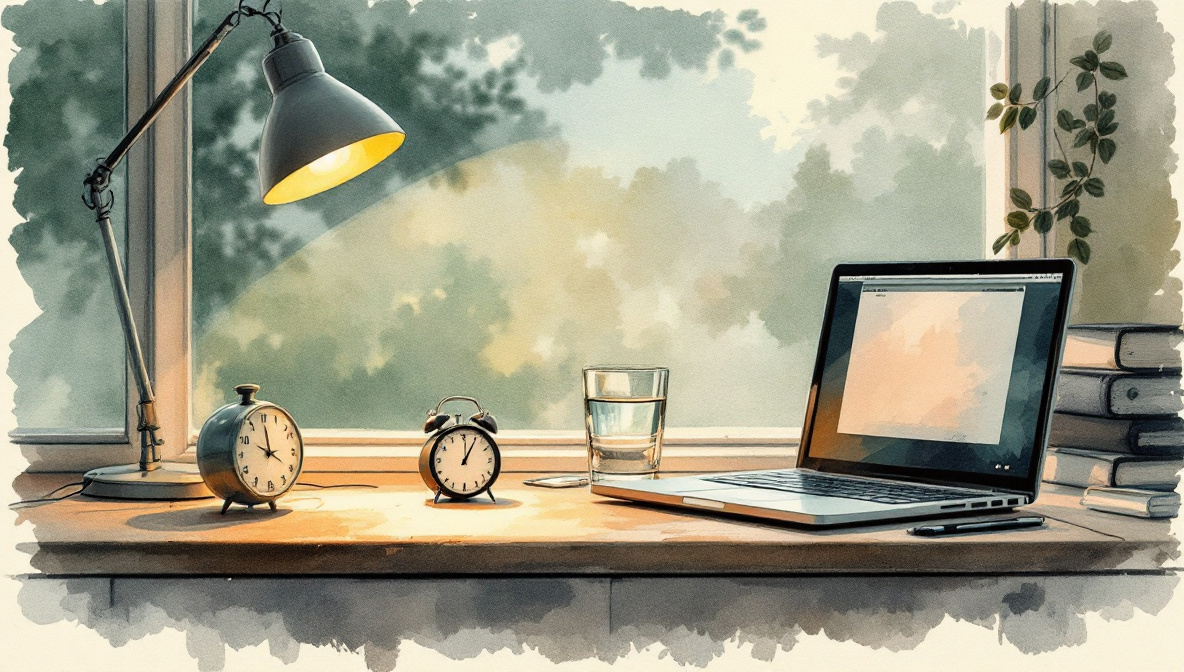
Stress makes focus slippery. Shrink the job, quiet the room, and use a short timer. Help the body first. I name when to seek help, and simple routes in India.
Short answer. When stress makes my attention slide, I shrink the job and quiet the room. Pick one small, clear finish, help the body with water and longer exhales, set a short timer, begin, and stop on the bell. If the slide lasts for weeks or safety is in question, speak to someone.
In short:
Stress tightens how attention moves. When your system reads threat, it keeps looking sideways for danger and spends fuel on scanning, which leaves less to hold one quiet idea in view long enough to act. On a Tuesday the kettle hisses and the lift beeps; the body decides those outrank the document. You did not choose this.
Character is not the lever; conditions are. In my room I change two things: make the next step smaller and the room simpler, so attention can land on one clean edge for a short window and actually touch the work. Then we stop on the bell and stand up, because short edges hold better than bravado.
Small moves beat grand pushes. One subject line written cleanly can be a better win than an hour of screen-staring that only makes the chest tighter. I have seen that tiny, boring win buy you the next one more reliably than any speech you give yourself.
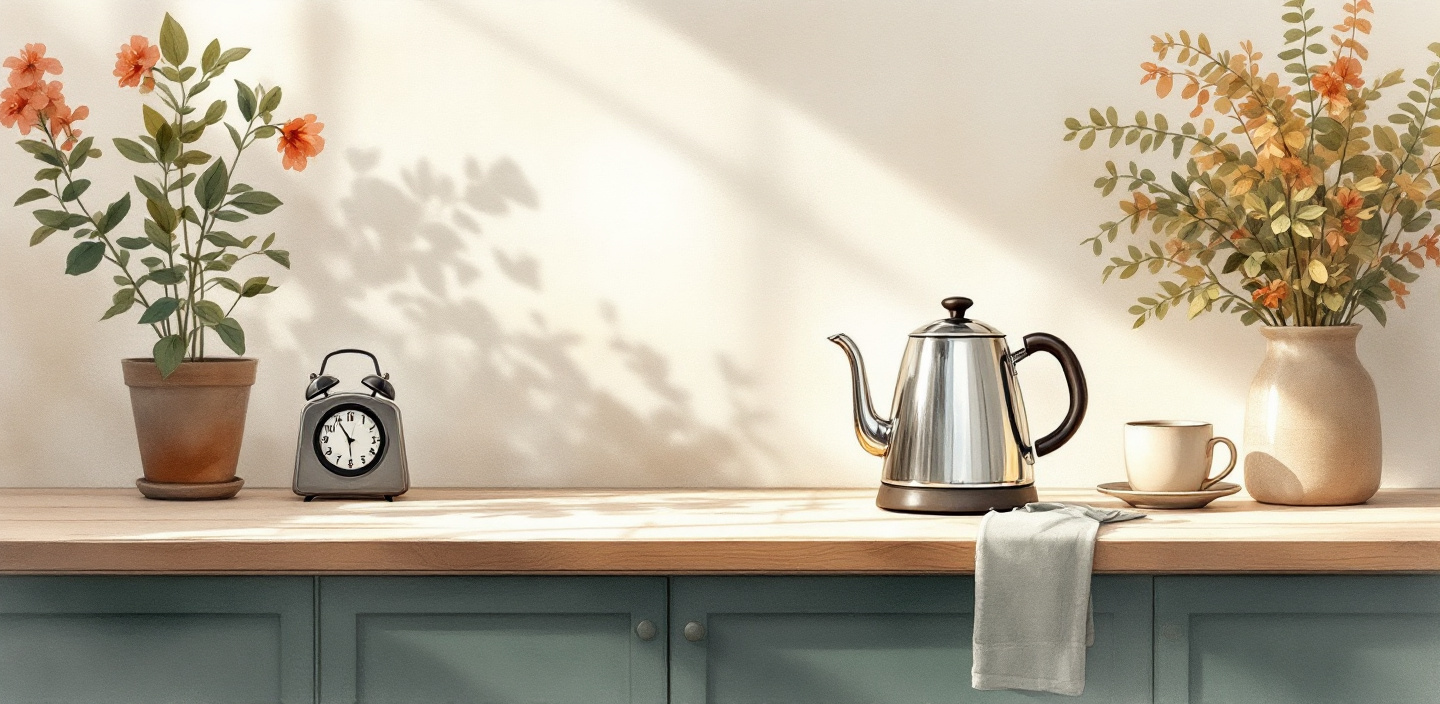
Make the room smaller. Clear the exact patch you will use, put your phone in a cupboard or another room, bring a plain, visible timer to the desk, and place water within reach. Choose one finish you could explain to a stranger in a single breath and write that line on paper. Begin within two breaths.
Stress sits in the body. Drink water, have a light snack, stand and roll your shoulders slowly, and exhale longer than you inhale for a minute to tell your system that this minute is livable. Set the timer only after that. Stopping on the bell matters more than heroic grinding through fog.
The parking sheet sounds trivial and saves the block. When your mind throws errands at you, dump each thought there with a mark and return to the one finish; you are not promising to do the errand, only to hold it safely while you work this slice. I use it for the news too.
Study under stress works differently. Say a paragraph aloud, handwrite a brief line that captures the idea, mark one keyword, then test recall without looking after a short pause. Testing what you remember gives more traction than rereading while your eyes glaze. For many adults with jobs, pen and voice beat a glowing tab when worry is loud.
Build small offline pockets. Download what you need, full-screen it, and put the device on do-not-disturb for one short block. A quiet library table or a body-double call with the mic off can keep you honest while your thoughts run loud. Reading at the kitchen counter often beats the sofa that swallows you.
Before calling yourself lazy, check the shape of the problem. This short piece helps you tell effort issues from mood or energy: Am I lazy, unmotivated, or depressed?. Naming the state cleanly changes what you try next and saves the hour you would have spent arguing with yourself.
When the slip in focus lasts for weeks, book time with a counsellor or a doctor soon.
If access is the hurdle, check whether your employer offers sessions through YourDOST or 1to1help; those programmes are usually free to the employee.
You do not have to get the room perfect on the first try. Meet one human and judge by the conversation you actually had, the pace they offered, and whether you left with one tiny experiment that feels doable this week. Then book the next step, or try a different door without theatre.
Fewer open tabs help. Reduce optional alerts, bunch similar tasks so your head does not reboot each hour, and keep one anchor slot most days for deep work. Leave a small buffer at the edges so the late call stops crashing straight into dinner. Ordinary, boring structure makes hard weeks less punishing.
If pressure is about setup, test a boundary and measure it. Try one week where '11-12 is quiet' or 'documents by 5, meetings after', and collect evidence. For office strain and what actually helps, this longer piece can help you decide what to move first: Burnout symptoms at work: what should I look for, and what can help?.
Use one small reset at week's end. Clear the desk, pick two priorities for the next week, ring-fence one anchor slot, and decide where distraction will strike so you can choose a quieter corner ahead of time. In a lift lobby at 7 pm, write tomorrow's first start line in your notes.
Go in with scenes you remember clearly. Bring two concrete moments from the last week when your attention slipped or held, what time it was, what was on the desk, what you tried, and how long you lasted. I usually ask for the sentence you said to yourself right then. Scenes move faster than summaries.
A good first hour sets scope. It should cover what you need from the room, past help that did something, any medical questions that touch attention like sleep or recent illness, and one tiny experiment to test before the next meeting. Ask how they will help you make the task smaller on bad days, because style matters.
Scripts help when you are tired and shy of asking. Try: 'My attention shreds by 3 pm; can we plan a finish that fits a 10-minute window and where to park the rest, and can I message if the wheels come off so we reset the plan.' Tonight, clear a hand-sized patch, set an 8-minute timer, begin, and stop on the bell.
How long should my timer be when I'm stressed?
Five to fifteen minutes is friendly. Start smaller than your ego suggests and stop on the bell even if you want to keep going. Stand and sip water, then write the next start line before you sit again. If you keep blowing past the bell, shorten the next block and remove one hurdle you can touch.
What should I do when I keep breaking my own plan?
Cut the block in half and remove one barrier, like the phone within reach or a noisy tab. Move the work to a quieter corner for a day. Rewrite the plan as a test: 'Ten focused minutes on X after water.' Log what worked for that tiny window. Repeat that piece tomorrow, and let the rest wait its turn.
Does music or white noise help focus when I'm stressed?
Use whatever keeps you seated without hijacking language. Instrumentals, rain, fan sounds, or a steady AC hum can be steadying. If lyrics pull you into the words, switch to sounds you do not parse. Decide by output: pick one short block, try a sound, and judge by the lines you actually produce, not by vibes.
Is caffeine a good idea for focus under stress?
Test it on a light day before trusting it on a hard one. For some adults a small coffee sharpens the edge; for others it adds jitters and scatter. Try less than usual, keep it early, and watch the after-effect on sleep and mood before making it a default during tough weeks.
How do I tell my manager my focus is slipping without drama?
Use recent facts and a small ask. Try: 'In the last two weeks my deep work fell apart after lunch; can I hold 11-12 for draft work and move non-urgent pings to 3-4.' Offer one boundary and one trade. Bring it early, keep it concrete, and review it in a week.
Written by Satlaj Sachan, a counsellor in Bengaluru working Book a first conversation.