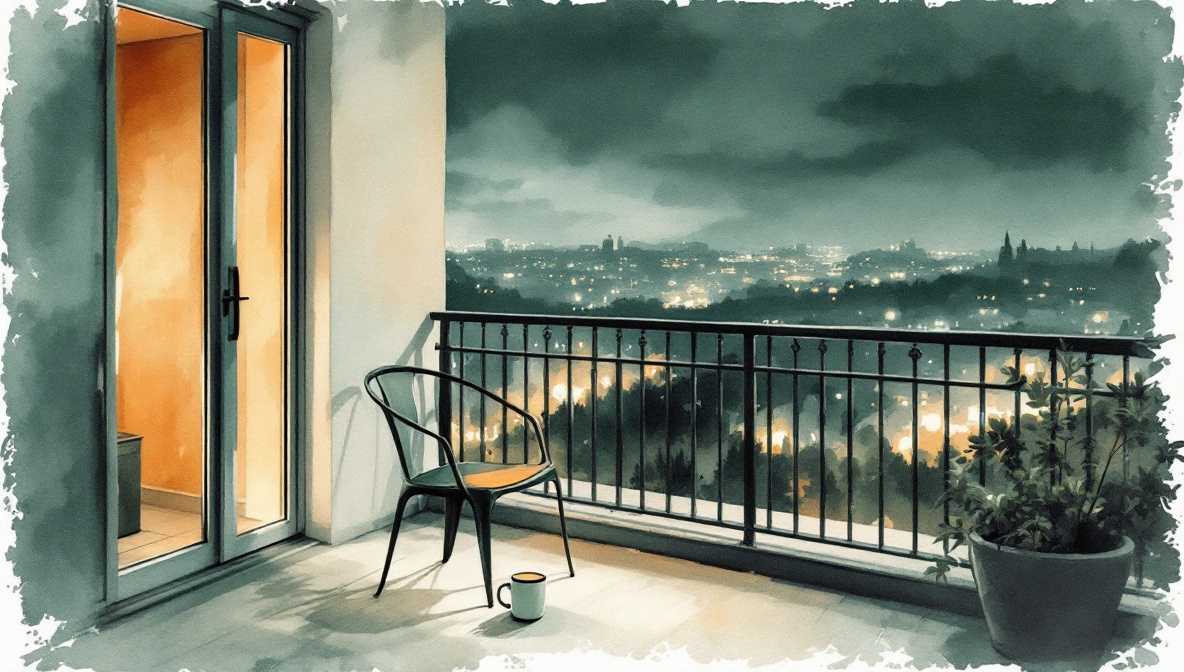
Loneliness hurts. I explain what it is in adult life, small steps you can try this week, scripts that make contact easier, and when to ask for extra support, including free options.
Short answer. Start by naming the ache and shrinking the task. Give your day clear edges and add one warm contact you can keep even when tired. I lay out small experiments for this week and simple scripts that lower awkwardness, and I say when to ask for extra help.
In short:
Loneliness can sting hard. It is the chest-ache that outlasts a busy day, when meetings tick by and jokes land, yet the ride home feels airless, the door clicks, and there is no one you want to text. Private, but sharp. Many adults I meet recognise this mix and feel slightly ashamed of it.
Choice softens the edge. Time alone can feel good when you know who holds you in mind, when you expect to see them soon, and when your day has a shape that gives contact a simple place to land. I watch four levers that often help more than bravado on tired weekdays in ordinary life. Edges, two steady faces, small body care, and one activity you will repeat.
Solitude can grow warmer when you arrange small, repeatable holds in the day and keep one friendly point of contact nearby on purpose. That might be a morning chai with a neighbour or thirty minutes at the library after work, even when you feel flat. If you want ideas for being alone without that blank-wall feel, read How can I be alone without feeling lonely? and test two this week.
Shrink the task first. When the ache hangs around, grand plans wobble by midweek, so I ask for one small act you control and can repeat, even tired, because repetition builds a floor you can stand on. Boring helps show up. Lower effort beats sparkle when confidence has thinned.
Give your evening an edge you can recognise and keep. A clean stop time, a place to step into, ten minutes away from the phone, and a drink you actually sip create a slot where contact can land without a fight. This steadies you for calls you would otherwise skip.
Expect some awkward pauses. When you have been outside the stream for a while, edges help both sides: a fixed-time walk, coffee near your office, an online game, or a small errand you can finish together without strain. Edges calm dread. A clear end time and a place save you from vague plans that stretch on.
I keep one starter text saved so I do not have to compose. Predictable lines help when confidence is thin and avoid the blank screen. Try: "Coffee at 5 near MG Road; twenty minutes?"; "Walk at 8 on 8th Main; one lap?"; "Online carrom at 9; twenty minutes and done?"; "Supermarket run at 7 near your lane; one aisle?". Send to two contacts and accept the first yes; stop there.
Make it easy for them to say yes without guessing your availability. Add one reason for the edge in your message, like "I have fifteen minutes before my metro", or "I am on a grocery run", which spares both of you from fishing for an end. Clarity reads kind.
Move early if the ache sits on a heavy mood slide or a churn that will not settle.
I am a counsellor in Bengaluru, practising since 2015, and I offer a steady room to test small changes at human speed. If role labels confuse you, read Counselling or therapy: what is the difference, and who should I see? and then pick the room that fits your life.
Through work or university you might already have access to free support; YourDOST or 1to1help are common routes, so check your HR or portal.
Want focused couples work as a pair? Untangle offers rooms built for relationship conversations.
Low energy skews contact. On some weeks the floor feels low, chores pile up, and even friendly pings feel like homework, which is when I shrink goals and add predictability so effort stays small and the wins feel reachable. Small visible wins matter. If your energy has thinned for weeks, read Am I depressed or just bored? and use that map to decide next steps.
Change the ground you stand on before you ask for chatty connection. Light, temperature, sound, and water shift how bearable the evening feels, and you control them. Turn one lamp on low, crack a window, sip something warm, and choose one familiar album so the room stops echoing.
Hold one spot in the day for simple contact and use it like clockwork. A short after-dinner walk creates a call slot, a repeatable view, a finish line, and a small body reset you can reach on tired nights without fresh planning. Keep the ritual even if nobody joins today.
Make it almost easy. Set a clean stop for work, put water to boil, stand by a window while the kettle hums, and send a two-message check-in: "hey", and one short line about your day so they have something to catch. That is enough. You can stop there.
Use an invite with edges. For example: "I am walking at 8 on 8th Main; join for twenty minutes?" or "Tea at 5 near MG Road; I have fifteen minutes." Send it to two people and accept the first yes; if both decline, forward the same line tomorrow without rewriting it.
Is loneliness the same as depression?
Different things. Depression drags energy, shifts sleep or appetite, and flattens interest. Loneliness is a felt lack of closeness, alone or with people. They can feed each other. Start with a kinder day shape and one warm contact, then read Am I depressed or just bored? to decide whether a mood room should be the next step.
How many friends do I need to feel less lonely?
No magic number. Two steady points of contact often change the day more than a wide circle you barely see. Test for after-effects: who leaves you a little more seen for an hour, and who drains you by habit. Keep more of the first group in rotation, even if that means fewer chats.
How do I start a conversation when I feel out of practice?
Reuse one edged line so you do not have to compose. Try: "Coffee at 5 near MG Road; twenty minutes?" or "Walk at 8 on 8th Main; one lap?" Send it to two people and accept the first yes. If both decline, forward the same line tomorrow without rewriting it.
What if I feel lonely in my relationship?
Say it plainly and suggest one small, regular touchpoint, like ten minutes of tea on weekdays or a short walk after dinner. Ask for a one-month trial and review together. If blame keeps taking over, pause, write two lines you each want more of next month, and swap them before talking again.
Why does loneliness spike at night, and what can I do?
Evenings remove structure and shrink light, so worries echo. Turn one lamp on low, take a short warm shower, and stage a tiny task like rinsing a cup. Crack a window for a minute. Then send a two-line check-in to one person or write it in notes if they are asleep.
Written by Satlaj Sachan, a counsellor in Bengaluru working Book a first conversation.