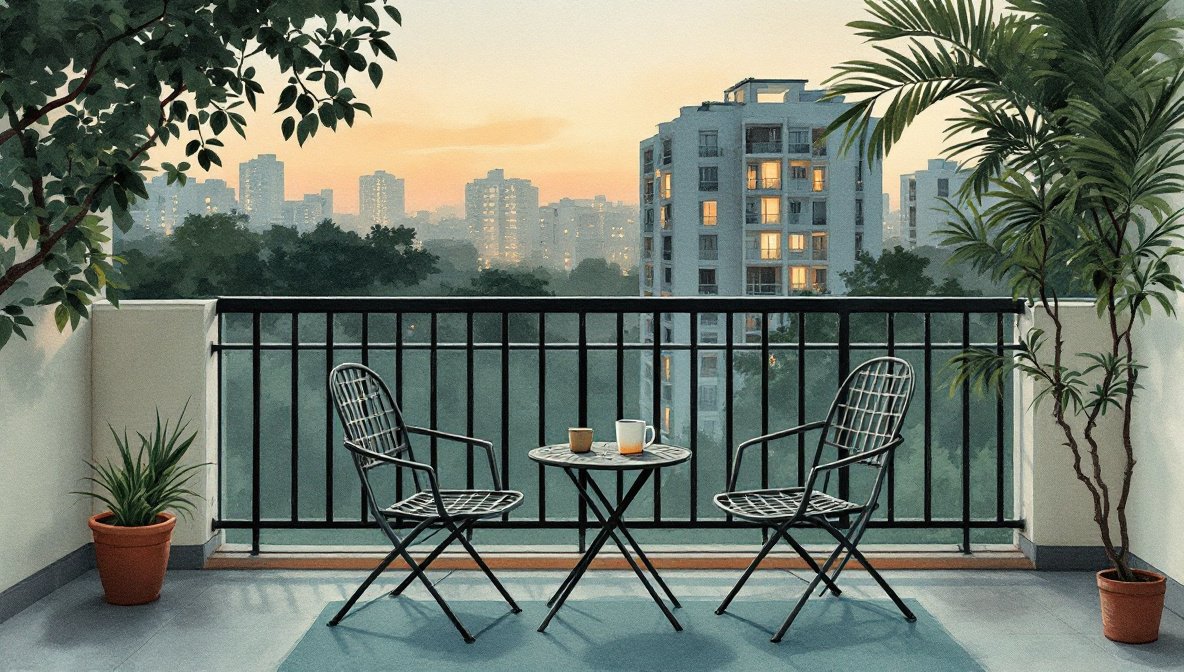
Yes, wanting fewer or no friends can be a sane, honest choice. I explain when that wish fits, how to tell solitude from loneliness, and what to do if it starts shrinking your days.
Short answer. Yes, it can be ok to not want friends. Some seasons ask for quiet more than company, and protecting your time can be an honest choice rather than a problem to fix. I look for whether the wish brings relief and steadies your days, or whether it shrinks your life in ways that scare you.
In short:
People say I don't want friends and mean five different things. Sometimes it means quiet. Other times it asks for lighter, acquaintance-level contact without the duty of weekly plans, or it means a break from being scrutinised, or just privacy after months of noise at home and at work. I ask what you actually want more of, and what you can do without, because that shows what to respect and what to renegotiate.
Zero friends is a clear line. A smaller, slower circle is a different shape with different costs: fewer birthdays to attend, fewer favours to ask, fewer group threads to mute, and fewer people who notice when you are missing. Both choices can be valid, and the price tag matters because you will be the one paying it on Tuesday nights when the lift lobby feels too bright.
I do not push anyone towards new friendships. My job is to help you notice what keeps you steady and to name trade-offs you are already paying, because avoiding a duty can free you or corner you depending on the rest of your life. Strong preference is one thing, while a blanket refusal under every condition tells me to slow down and look for what it is protecting.
Sometimes the wish protects rest after a move, illness, caregiving, long commutes, or shift work that leaves you wordless. Quiet can be medicine. When much of your day asks for performance and small talk, time alone can give you back judgement and patience that constant company was wearing thin over long, repetitive weeks.
Relief is a signal. If you decline and your shoulders drop, sleep deepens, food tastes like food again, and morning dread lightens, your body is voting for fewer interactions for this season. I look for how work steadies and whether you enjoy tiny contact in the day. I also watch whether you can imagine changing your mind when life shifts.
Evenings tell the truth. Loneliness feels different from chosen quiet, because time drags and attention frays, the phone glows like a threat, or you scroll and feel hollow after a whole hour you barely remember. Solitude leaves you settled, and returning to people stays possible when your energy comes back rather than leaks.
Keep a tiny log for two weeks: time alone, sleep quality, appetite, and what your body felt after calls or messages. It shows patterns your mood hides. If you want concrete ways to build steadier alone-time, I wrote more in How can I be alone without feeling lonely?.
When the line feels blurry, consider whether burnout or low mood are muddying the picture. This piece might help you compare those states: Am I depressed or just bored?. If work has been eating your bandwidth for months, you may also want Burnout symptoms and treatment: what should I look for, and what can help?.
If no friends lives beside dread or shame most days, slow down and look. Small signals add up. Watch for shrinking routines, heavy numbness, drinking to sleep, and work that keeps slipping, because those patterns reduce options and your world narrows until even a short message feels like a test you must pass, which is an expensive way to live.
If one-to-one support feels kinder than adding friends, look for a counsellor locally or online and start with a short note about what you want from that room. To compare many named practitioners, directories like TalktoAngel or TheMindClan help you scan profiles. Workplaces or universities often provide access; YourDOST or 1to1help are usually free to use.
Friendship can be lighter. Quiet company often works. Some people do better with project-based company: a book club that forgives missed meetings, co-working in silence with two breaks, a gaming night once in a while, or a monthly volunteering shift. That is contact without the demand for constant intimacy.
Low-pressure channels count. Long emails, voice notes you answer on weekends, forum threads, or a standing call every few weeks can carry warmth without noise, and nobody needs to keep chasing. It is slower to grow, and that may suit you. A long reply on a Sunday can be more humane than ten quick pings spread across the week.
Services can help when you want support without building a friendship. Wysa is an Indian AI-first mental health app that escalates to a human when needed. Use it as a low-noise parking bay for thoughts at odd hours, then set a boundary so you are not chatting with your phone all night. If it stirs up more, book a human conversation the next day.
Small circles can be steady. I still set up a few bits of life support with people: an emergency contact who knows your address, a nearby clinic and chemist saved in your phone, a neighbour you can text about a leaking tap, and a reliable cab number. Boring lists help most when you are ill or grieving.
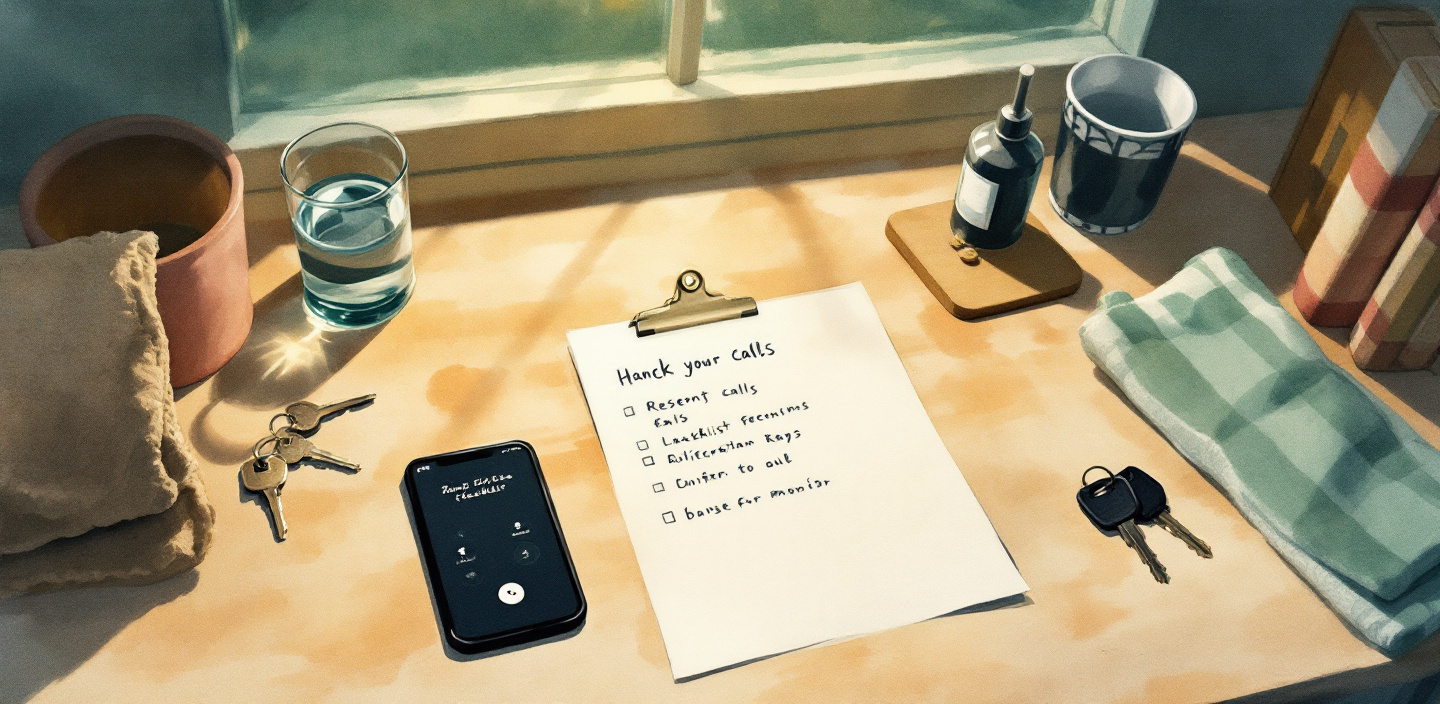
Write the list down on paper and put it near the kitchen. Paper survives a dead battery, and the act of writing shows you what is missing: food on sick days, bill reminders, home repairs, and who has spare keys. Then you can buy help or ask a cousin. Some things can wait.
If you worry about hurting people, write one plain sentence you can send when plans arrive, and keep it ready. For example: "I am keeping my calendar light this season." "I will be slow to meet, and I may text more than call." Write it now on a sticky note.
Is it normal to have no friends in your 30s?
Yes. Many adults shift priorities, move cities, change schedules, or conserve energy and end up with few or no close friends for a stretch. If life still works and you feel steady, that can be fine. When days feel empty or unsafe for long, speak to a counsellor and name the toughest parts. You are allowed to prefer quiet while still asking for help.
How do I know if I prefer solitude or I am burnt out?
Check how you feel after time alone, not just during it. Rested and clearer points to solitude that fits. Flat or wired points to burnout or low mood. Track sleep and appetite for two weeks, and add one line about whether work felt doable. If screens pull you late most nights, burnout may be part of it.
Will counselling make me want friends?
No. Counselling is a room to think plainly about what keeps you safe and sane, and what costs you are already paying. Some people keep a small circle and feel fine. Others decide to risk one new connection. There is no target, and no promise either way.
How do I tell people I need space without hurting them?
Say something short and specific. Try: "Thank you for checking in. I am keeping my calendar light for a bit and may be slow to meet. I will probably text more than call." Offer what you can keep and repeat it consistently. Skip long justifications. People adjust faster to steady signals.
What if my partner wants a big social life and I don't?
Different appetites can share a home. Make a simple plan: which events you will attend, which weekends are off-limits, how they can go without you without guilt, and what recovery time you need after busy weeks. Review it monthly, and protect sleep so resentment does not grow.
Written by Satlaj Sachan, a counsellor in Bengaluru working Book a first conversation.