Yes, anxiety can land without a neat cause. Bodies run faster than thoughts and small triggers stack. What to notice, small moves that help, and when to speak with someone.
Short answer. Yes. Anxiety can show up without a neat reason; I see it most weeks and it still counts. Bodies often run ahead of thoughts and small triggers stack until the dial jumps. If it starts to steer your day, there are simple ways to steady yourself and decide whether to speak with someone.
In short:
Bodies often vote first. Your nervous system keeps watch even when you feel fine; after thin sleep, extra caffeine, long gaps without food, or a week of rushing, it can push heart and breath up before thoughts assemble a story. The spike feels random because it outruns meaning. I see this pattern often.
Tiny cues can flip the switch. A smell from a previous scare, a meeting room with that glass table, a ringtone, or a stretch of road can tag your body into alarm before you notice the cue. Hands react first. If mood also drifts down, read Am I depressed or anxious?.
Running hot for weeks changes the baseline. When effort keeps stacking without real pauses, the system idles high and small asks feel large. That is an exhaustion problem. I back small rests because they often give you back options you could not see two days earlier.
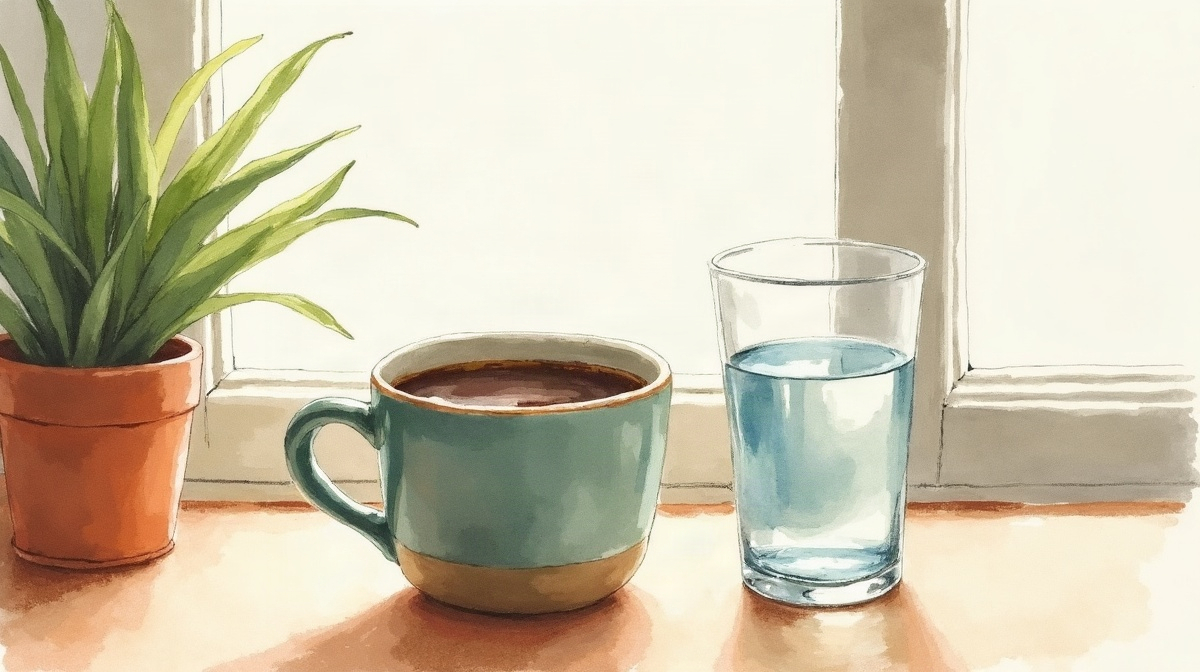
Small inputs, loud outputs. Caffeine can nudge heart rate and sharpen edges, and some bodies react hard; if timing seems to matter, this walk-through helps: Is it normal to feel anxious after drinking coffee?. Cold medicine can do something similar. Illness can too.
Another place I see it is after a first counselling session. The system is stirred and the protective walls blink, so a jitter appears without context for a day or two. It feels odd and temporary. I wrote about it here: Why am I anxious after my first session?.
Slow first, then clever. Thinking harder during a surge rarely helps; longer out-breaths, cool water on wrists, stepping outside, and letting your eyes find edges can shift the dial faster because they meet the body where it already is. That is body-first work. No theory needed.
Give yourself a line you can use at work. Try: "I am stepping out for two minutes and will be back," then actually step out. If you like numbers, set a timer for 120 seconds and watch nothing. Keep it small and kind; it buys your body a minute to stand down.
Impact matters more than count. When anxiety keeps you up or it changes how you show up with people who matter, bring it to a room where you do not have to carry it alone.
Come with two things: where it bites your day, and what you have already tried. We will look for small, testable moves and for what eases even five percent; I care less about labels than about what changes your Tuesday. I am a counsellor in Bengaluru. A first conversation is thirty minutes and free, and booking runs through a form first.
If you have access through work, use it. 1to1help is an employee assistance programme and is free to the employee. YourDOST is often free through an employer or a university and offers 20+ Indian languages. I work in English and Hindi.
Night often removes buffers. Late caffeine, bright screens, alcohol, and sudden quiet push the body's vote forward, so thoughts spread out and the surge feels bigger than it did at noon. The dip in light cues the system toward sleep while worry asks for wakefulness. That tug can sting.
Make the hour before bed boring. Keep lights low and aim for fewer pings; if you can, park the phone in another room. If that is too hard, drop brightness and switch off the endless feeds. A slow playlist or a plain podcast can be a bridge.
If being alone makes the buzz louder, have back-ups that work in the dark. Keep water by the bed and place a scrap of paper with one sentence for morning-you, so your mind can stop rehearsing. These notes on solitude may steady you: How can I be alone without feeling lonely?.
Keep it scrappy first. For seven days, write one line when anxiety bites: time, what you were doing, last food or drink, and how you slept the night before. Make it quick. At the end, look for repeats that feel obvious rather than trying to score everything.
Then test one change at a time. Move coffee earlier, add a snack in the long afternoon gap, protect twenty minutes where you are unreachable, or take a short walk after lunch; pick one and see what your body says over a handful of days. You are building a small map.
Two short scripts help. Say to a manager: "My focus tanks after 4; I am blocking 4:30-4:50 to reset so I deliver on time." With a partner or a friend: "If I go quiet, suggest a short walk or water; I will come." Tonight, write the one line you would actually say.
Is it normal to feel anxious for no reason?
Yes. Bodies can rush ahead of thoughts, so the surge arrives before any story you can see. Small levers do a lot: thin sleep, late caffeine, long gaps without food, or background conflict. You do not need the perfect cause to help yourself. If it bends your days, speak with someone and test two small changes.
Why do I feel anxious at night?
Overtired systems run louder when rooms go quiet. Late caffeine, bright screens, alcohol, and unfinished tasks layer in, so thoughts stretch out just as you lie down. Dim earlier than usual, lower screen brightness, save something boring to listen to, and park nagging items on a scrap of paper for morning-you. If nights keep unravelling, bring it to a room.
Should I cut coffee completely?
Try timing and amount first. Many people feel fine with a smaller cup earlier and feel awful with a larger one later. Change one lever for a week, then compare. If you want detail on the link, read the coffee piece I linked above; it shows why a tiny move can shift the body's vote.
What do I say in the first call?
Keep it pointed. Try: "I get sudden anxiety that keeps me up and makes me avoid people; I want small things I can try this week." Add any pattern you noticed about sleep, caffeine, meals, or stress, and name one time it eased even a little. That gives us a place to start.
Can anxiety happen without any trigger at all?
It often feels that way. The cue can be tiny or out of sight: a smell, a place, a sound, or a sugar drop after a long gap. You do not have to identify it in the moment. Work the body-first steps anyway and keep notes for a week to see if something obvious repeats.
Written by Satlaj Sachan, a counsellor in Bengaluru working Book a first conversation.