Jealousy at a friend's success flags risk to belonging, attention, or your own hopes. I name what it points to, small moves that steady contact, and how to keep your week intact.
Short answer. Your friend wins and your chest tightens. The body reads risk to belonging or to a step you wanted, so comparison flares. I treat that as information and show you small moves that keep care intact while you spare your energy.
In short:
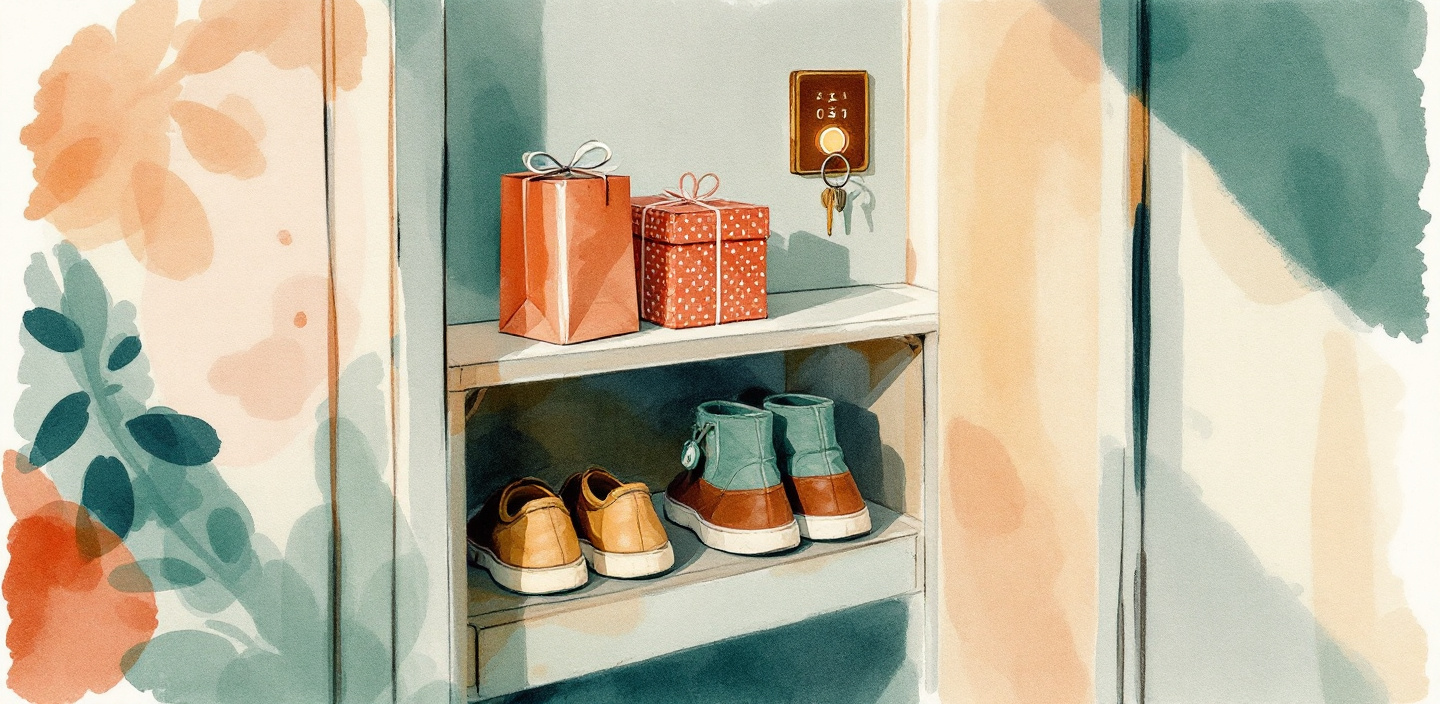
Jealousy names a risk. When a friend shares a new title or sends a photo of their keys in the lift lobby, your chest can jolt as the body reads danger to belonging, attention, time with them, or a path you cared about. I treat that ping as information; a cue to pause before your thumbs sprint into cheering, sulking, plotting, or going silent.
Loneliness often rides shotgun. Success reshapes calendars and pulls their evenings into late calls, and regular touch can thin, so the pang sometimes protests the drop in everyday warmth and the way nights feel stretched. I look for the need underneath and one small way to meet it this week, like a quick Wednesday call or a short walk after dinner. If that ache hums under most days, read How can I be alone without feeling lonely?.
Proximity really magnifies meaning. A peer in your city or field, close in age with similar markers, feels like a mirror, so each update lands as highly relevant evidence and your body reacts before your thoughts can make sense. This is a common body response to context your brain flags as important and loud.
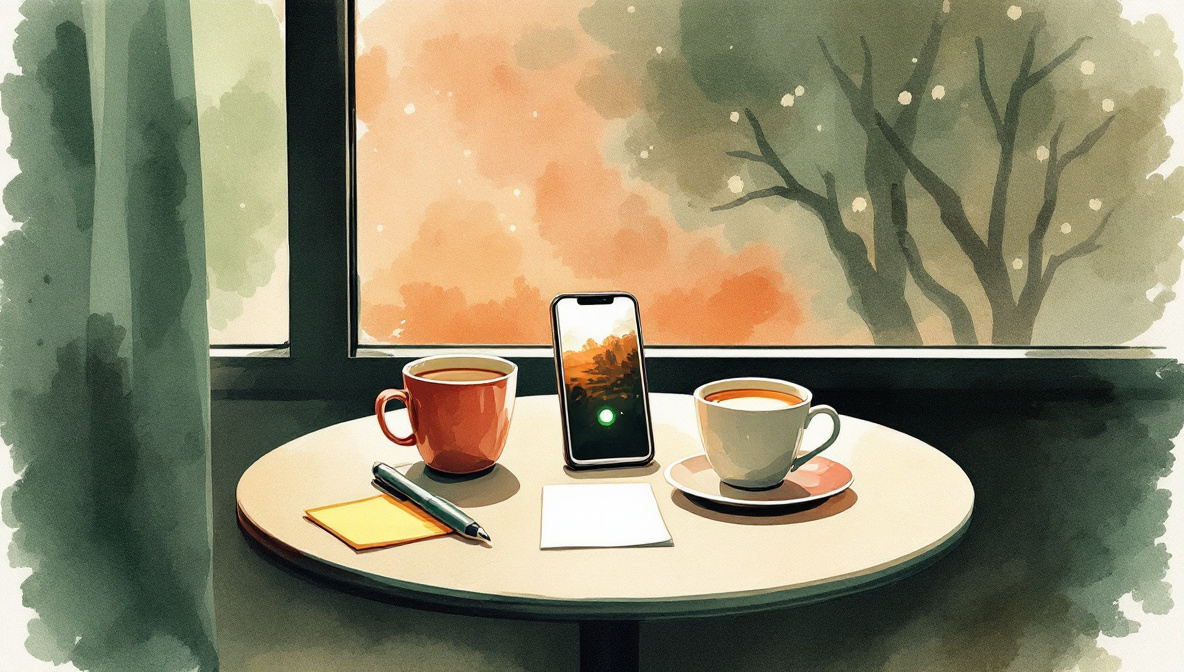
The feed compresses time. Wins arrive back-to-back in your palm while you wait for an email or a move-in date, and the contrast can make a normal week feel like personal failure. I have watched a phone buzz under a meeting table while filter coffee goes cold on the side. If work milestones are the sharp pin, read Am I getting a promotion?.
It can get fiddly. You dodge their message at lunch, then over-read it at 6 pm, then draft, delete, redraft, and draft again until your jaw aches, as if solving a social puzzle could secure your spot in the group. By 11 pm you are still at the balcony door, phone in hand, deciding whether a heart emoji is too much or too little.
The body shows stake. Tight chest, clenched teeth, a tunnel of attention, and a jumpy stomach mark how seriously the system reads social threat and how fast it primes you to act, while your screen pretends this is just one more chat. Watch for the point where protection turns into isolation, because that is when a steady outside conversation starts to help.
Name it without drama. Say to yourself, out loud in the kitchen if you can, 'jealousy; I care about this friend and I also want a step like that,' and notice how your shoulders drop when both truths get a little room. Let the out-breath run longer than the in-breath and look at one real thing: a plant on the sill or the building opposite.
Choose contact you can carry today. A brief message you mean can protect the bond better than dragging yourself to a loud party and unravelling after, especially when you pair send-with-anchor, like tea on the balcony or a slow walk round the block. Step away from the app for ten quiet minutes. If worth is the sore place underneath, read How do I build self-esteem and self-worth as an adult? and test one kinder line to yourself this week.
Sometimes it does help. Share it when you can hold your side with care and keep the friendship at centre, naming the change you notice and one small way you would like to meet them in the next few days. If you want to practise first, speak it to an empty room and listen for the bit that sounds like a demand, then trim that off.
Pick words you mean. When I draft with people, we aim for plain and specific, then we add a small plan or boundary, because the mix of care and structure travels well from your notes to the phone. Send it, then do something steady straight after, like wash a plate or water a plant.
Bring it to conversation. If jealousy keeps shaping your days or you feel alone with it, another set of eyes helps you sort signal from noise and test moves that fit your actual days and the week you live, beyond the feed highlights. I am a counsellor in Bengaluru, practising since 2015, and I work with adults roughly 25 to 45; if you are choosing rooms, read Counselling or therapy: what is the difference, and who should I see?.
For tonight, write one true line you could send and leave it by the kettle; after you send it, stand on the balcony until a slower breath lands and your shoulders come down a notch.
Is jealousy the same as envy?
Envy is wanting what someone else has; jealousy is worry about losing something you already value, like closeness or attention. In daily life they blur. Use whichever word helps you see the wish or the fear under the spike, then choose one tiny action that cares for the bond while you spare energy.
How do I congratulate a friend when I feel awful?
Keep it short and true. One line you can stand behind beats a long performance that empties you and then keeps you awake. Try: "Congrats. I am glad for you." Send it, step away from the phone, and add a small anchor like rinsing a cup or standing on the balcony for one slow minute.
Should I tell my friend I am jealous?
Share it only if you can take care of how you say it and why. Keep care for the bond at the centre and name one simple way to meet, like a short call Friday. Practise aloud first. Trim any sentence that pushes for reassurance, then send when you mean it and follow it with a steadying ritual.
Social media makes it worse. What can I do?
Build friction that slows the loop. Mute stories for a week or move the app off your home screen. Open it after lunch only, or only at the bus stop. If you want real updates, ask your friend directly for a time to talk. Ten honest minutes often beats an hour of highlights that leave you buzzing.
Will counselling make the jealousy go away?
I do not promise that. Counselling gives you a steady room to map what sets the feeling off and to practise responses that leave you less tangled in it. Some people congratulate sooner and ruminate less; others build kinder routines around contact. The work follows your pace and the days you live.
Written by Satlaj Sachan, a counsellor in Bengaluru working Book a first conversation.