Yes, often. Online counselling works when privacy and a steady connection hold, and when you can try changes at home.
Short answer. Yes, often. Online counselling holds up when privacy is real and your connection is steady, and when the change you want can be tried at home in the week.
In short:
Change has to show up outside the call. You catch yourself making a different choice in the week: you reply slower and ask for help. Or you close the laptop even with guilt buzzing by the door, and the new behaviour rubs old grooves so relief and friction arrive together. That still counts as movement in the lift lobby after a long Tuesday.
Turn up each week. When the screen removes commute and keeps you present through a month of deadlines, that steadiness usually does more for you than any single clever question I ask from a clinic chair or a desk at home. Format is logistics, a way to hold the hour so we can pay attention and test what might shift across your real days. I am Satlaj Sachan, a counsellor in Bengaluru, practising since 2015.

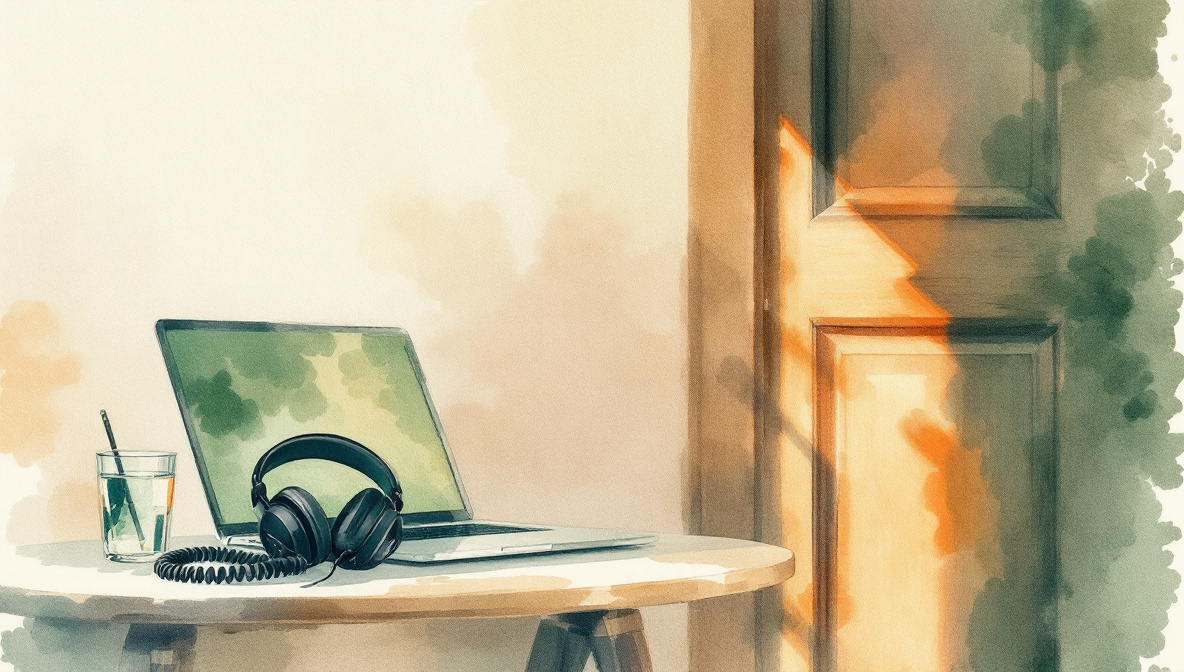
Online suits pattern work and small experiments you run where you live. Close the door fully. Then let headphones and a quiet mic carry you; with your face framed and your hands free, attention firms up and the hour feels less like multitasking, more like a single room you stepped into on purpose.
Work strain is easier to keep online because you can leave an 8:05 meeting and join at 8:10 without crossing town. That difference keeps many people in the room across a quarter. If you are weighing exhaustion and work, read Burnout symptoms at work: what should I look for, and what can help?.
Shut the door fully. Sit where you plan to sit, wear headphones, and say two honest lines out loud like 'I am worried about my temper' and 'I keep zoning out on calls'; listen for stomach clench, neighbour noise, mic hiss, or the fan's whine, and move the chair based on what your body tells you.
Decisions ride on logistics more than ideals. If you know you will only show up when travel is zero, choose online. When leaving the house feels like relief, choose a chair. If roles are still fuzzy, this explainer helps: Counselling or therapy: what is the difference, and who should I see?.
I keep it simple and steady. Turn off desktop alerts. Then we check comfort in the first few minutes: is the screen angle fine, is there a backup if internet drops, can anyone overhear, and is the chair comfortable? Let one clear aim anchor the hour, like 'I need mornings that don't start in panic' or 'I want to ask for help at work without freezing.'
I work with adults roughly 25 to 45 in English and Hindi, over video and in person in Bengaluru when the fit is right. Small practicalities matter more than polish. A glass of water nearby, a chair you can shift, space to pace during hard parts, and a spare pen make the screen feel like a room you own.
Most movement happens between calls. Close loops, small first. Send yourself one message that starts with 'This week I will...' and names the smallest version you can stand, then stack it after an existing habit like plugging in your phone or washing the last plate so it rides something you already do.
Make the plan visible in your space. A typed note on your lock screen, a calendar hold with a plain title, a whiteboard square near the kitchen light switch, and a sticky note on the fridge help the week remember for you. Pair experiments with cues at home and at work so the screen hour turns into two minutes here, four there.
Low mood changes how the work feels. If you are unsure whether this is depression or bored restlessness, this piece can help you sort clues before you pick a cadence: Am I depressed or just bored?. Tonight, sit in your chosen spot, put on headphones, and say two honest lines out loud; if you flinch, move the chair and try again.
Is online counselling as effective as meeting in person?
Often, yes. With real privacy, a steady connection, and the willingness to try small changes between sessions, online work holds up well. Some people focus easier in a clinic chair because the ritual settles them. If you can start online now, do that, then change rooms later if logistics or your needs shift.
Can I switch between online and in-person later?
Usually, yes. Many counsellors work in both formats and are fine with changing the room as your life changes. Ask how they handle switches, whether fees or timing differ, and what happens if you need to pause. You can revisit the decision each season without treating it as a failure.
What if I cannot find privacy at home?
Headphones help, and changing locations can help more. A parked car, a quiet terrace, or a stairwell during a predictable hour can be enough. If someone can overhear and that changes what you say, pick an in-person room for now. It is better to speak freely once a week than whisper four times.
Will I get a diagnosis or a letter online?
Some documents, like formal diagnoses or certificates for HR or insurance, are usually issued by a psychiatrist or a clinical psychologist. Ask any practitioner upfront what they can provide and what they do not. Counselling can still be useful alongside that path, whether you see the same person online or in a clinic.
Can I use a phone instead of a laptop?
Yes. Prop it at eye level, set do-not-disturb, and plug it in early so battery is not your timer. Earphones with a simple mic keep sound clean. If your network is shaky, agree to switch to audio-only or a normal phone call so the hour does not dissolve into reconnecting.
What if my internet drops during sessions?
Set an agreed fallback before you start. If video stutters, switch to audio-only or to a normal call, and send a one-word text so you are not both guessing. If drops are common at your place or hour, choose a different slot or go in person until the connection is dependable.
Written by Satlaj Sachan, a counsellor in Bengaluru working Book a first conversation.