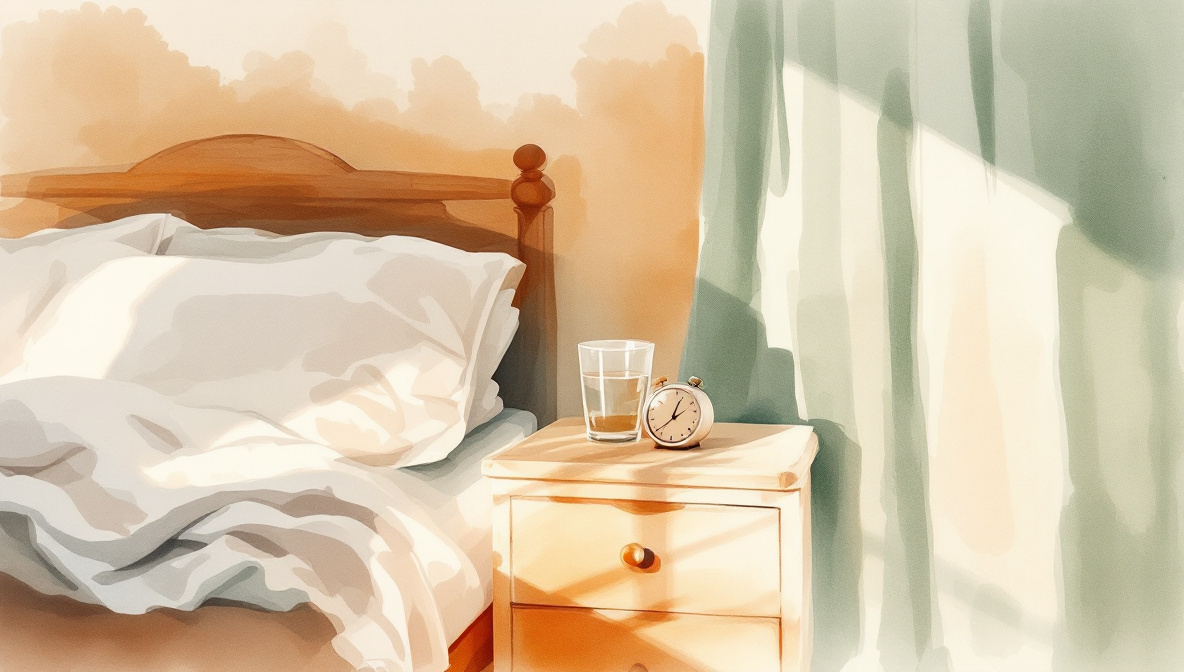
When low mood flattens you, shrink the start to two minutes, use light and water, and keep a single surface clear.
Short answer. Start small enough that you do not need motivation. Set a two-minute timer, do one physical action, then stop on purpose. Use body-first cues like light and water, put shoes on, and leave the tool in sight so your hands begin while your head is still arguing.
In short:
Stand up once, gently. Set a two-minute timer and promise yourself only one touch of the task: open the laptop lid, carry one plate to the sink, wipe a single handle, or type one line, then stop if you like. Bodies often begin before minds agree, and that tiny start warms the engine a notch. I count that as real work today.
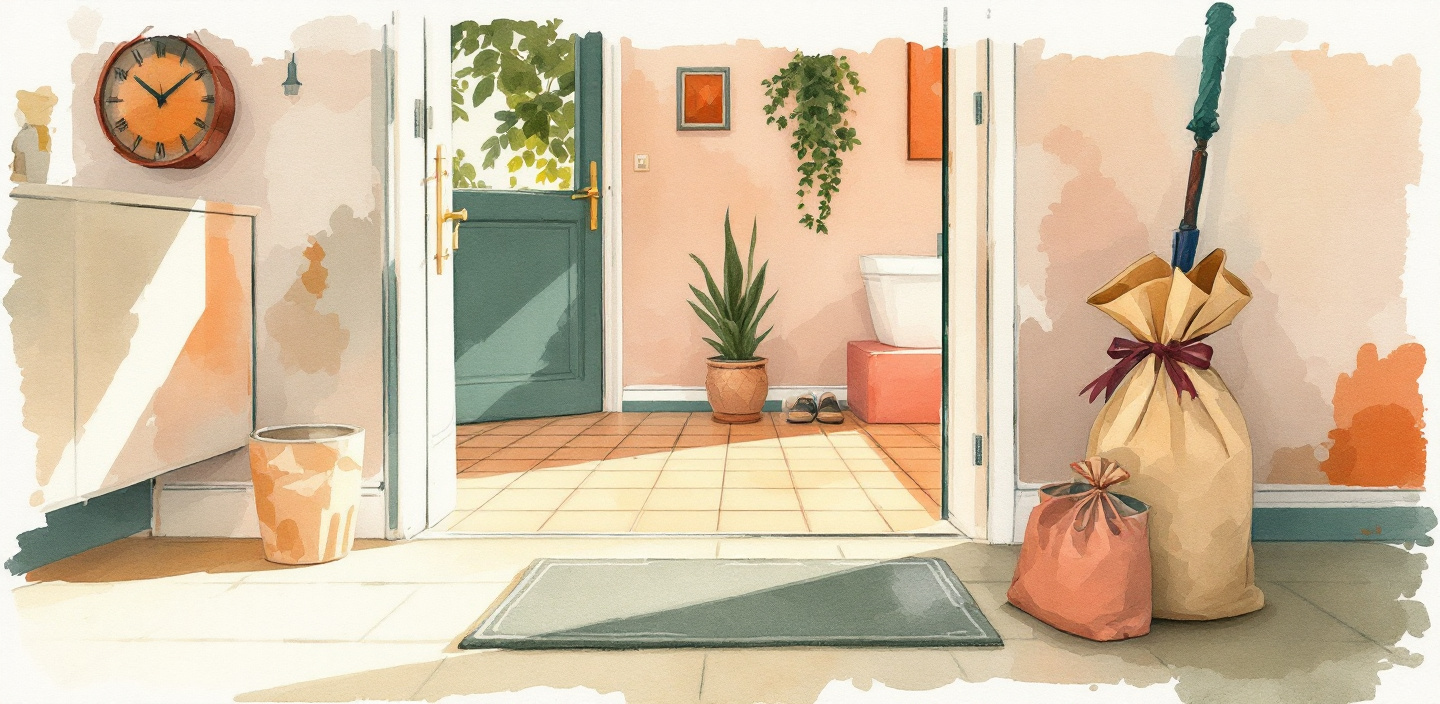
Write the first move in plain words on a scrap: 'Open Notes, type the heading', and leave it on the keyboard. Put the tool where you will bump into it, like a tied bin bag by the door or the sponge parked on the counter, so you trip over the start rather than look for it. One song that starts the task can act like a bell; your hands will recognise it, even when your mood argues. Dull helps repetition.
Pick one surface daily. Choose the bedside table or a single kitchen counter and clear it once a day, even if every other corner waits untouched, because having one calm patch to land your eyes on in the morning changes how the whole room feels. Standards can nap. Relief is the goal when your head is heavy and the sink feels like a judge.
Do a basket sweep once without sorting and park the basket out of sight. Add a tiny bin near the sofa to cut trips, and one by the desk if wrappers always wander. Stop when the timer goes and tie the bag. Park it by the door for the next time you step out.
Pick one anchor now. Tie tiny actions to what already happens: after I make tea, I clear one mug; when the kettle boils, I stretch for one minute; after a meeting ends, I walk to the balcony; when I open the phone, I set a two-minute timer. It is boring on purpose. Boring repeats when energy is thin.
Prime the room ahead of time. Lay tools in sight, choose one song that rings in work, put shoes on before you think, and keep a filled water bottle on the counter. A phone left on a high shelf by the router can reduce scrolling just enough for you to stand and carry a plate. Less friction, more starts.
For deeper examples and scripts, read How do I find motivation when I feel depressed?. If you are weighing laziness versus low mood, Am I lazy, unmotivated, or depressed? can help you name the pattern you are in this month. Names help choices land faster. They also stop the self-scolding for a minute while you put your shoes on.
I am a counsellor in Bengaluru, practising since 2015. My work is with adults roughly 25 to 45, and we keep the focus on tiny, repeatable starts rather than pep. In our room we map energy across a normal week, trim friction around the spots that jam, and set one or two experiments that fit the life you already have. Plain and slow, with honesty.
Expect experiments more than feelings work when your goal is movement. One week you might try a two-minute dish routine and a phone shelf change; next week we review what moved and what refused to budge, then tweak. I keep the rafiq posture, the friend who walks with you rather than correcting you, so we can call a plan poor when it is. That candour saves energy.
If you are weighing spacing, How often do people go to therapy? lays out patterns I see. Bring a short list of stuck moments, the times of day they hit, and any tiny thing that helped for even a minute, plus where you were sitting. That is plenty for a first conversation. We take it from there, unhurried.
Fill a glass now. Set a two-minute timer and do one physical thing before you think: carry a plate, wipe a handle, open one email, or place a tied bin bag by the door, then actually stop when the beep lands. Your head may not cheer. The room will feel one notch lighter, which is a decent place to end the day.
If you have 30 seconds left, send one message that asks for a brief body-double tomorrow: 'Can you be on a call while I clear one counter for two minutes at 8:30?' When restlessness is the main fog, How to focus when anxious? has small anchors that pair well with these starts. Do one silly-small thing now, and sleep.
Is lack of motivation a sign of depression?
Often yes. Low drive often travels with heavy, flat days for many adults. A name can ease self-blame and point you toward next steps, yet names do not carry plates to the sink. Use tiny starts regardless. If you want a plain comparison with your week, read Am I lazy, unmotivated, or depressed?.
What if I cannot even shower?
Go body-first. Open the curtains, sip water, sit on the floor and stretch for one minute, then do a quick wipe-down at the sink. Count any move that reduces friction for later. If several days pass with no movement, book a brief appointment with a counsellor to widen options and plan the next small step.
How can I ask a partner or friend for help without guilt?
Make the ask small and observable. Try: 'Can you be on a video call while I clear one counter for two minutes at 8:30?' or 'Please take the rubbish out today; I will handle mugs.' Set a clear finish, thank them, and stop there. You can offer a swap later when energy returns, yet you do not need to bank credit first.
What should I bring to a first counselling session?
Bring short notes: stuck moments, the time of day they hit, any tiny thing that helped even once, and where you were sitting. Add one or two situations you want easier at home or work. No need for a polished life story. Plain details we can test are enough for a first conversation.
Written by Satlaj Sachan, a counsellor in Bengaluru working Book a first conversation.