
Work stress shrinks when you make it concrete. Name one spike, take a visible step, build an off-ramp, and use tiny resets so your next choice is steadier and your evening is yours.
Short answer. Start with the small, concrete thing. Write the one work spike on your mind today, take one visible step on it, and add a simple off-ramp so the day ends when it ends. Then repeat tomorrow. Steadier days make braver conversations possible.
In short:
Write it down, right now. Name the single thing spiking you today: a moving deadline, the 10 p.m. ping with fresh asks, a messy handover you never chose, or the dread of being blamed for a loose end.
Vague stress swells and steals energy. A clear name gives you handles.
Pick one visible step and give it a time. Send the clarifying mail, ask for the earlier document, block the hour you keep giving away, or move the meeting that can wait. Stress feeds on fog; a timed step cuts it. Say it out loud as you add it to the calendar.
Use plain words when you ask for help or decisions. Try: 'To deliver X by Y, I need A or a decision on B. If that cannot land today, I will send a partial by 5 p.m. and finish tomorrow.' Put that line on a sticky and park it by your laptop lid.
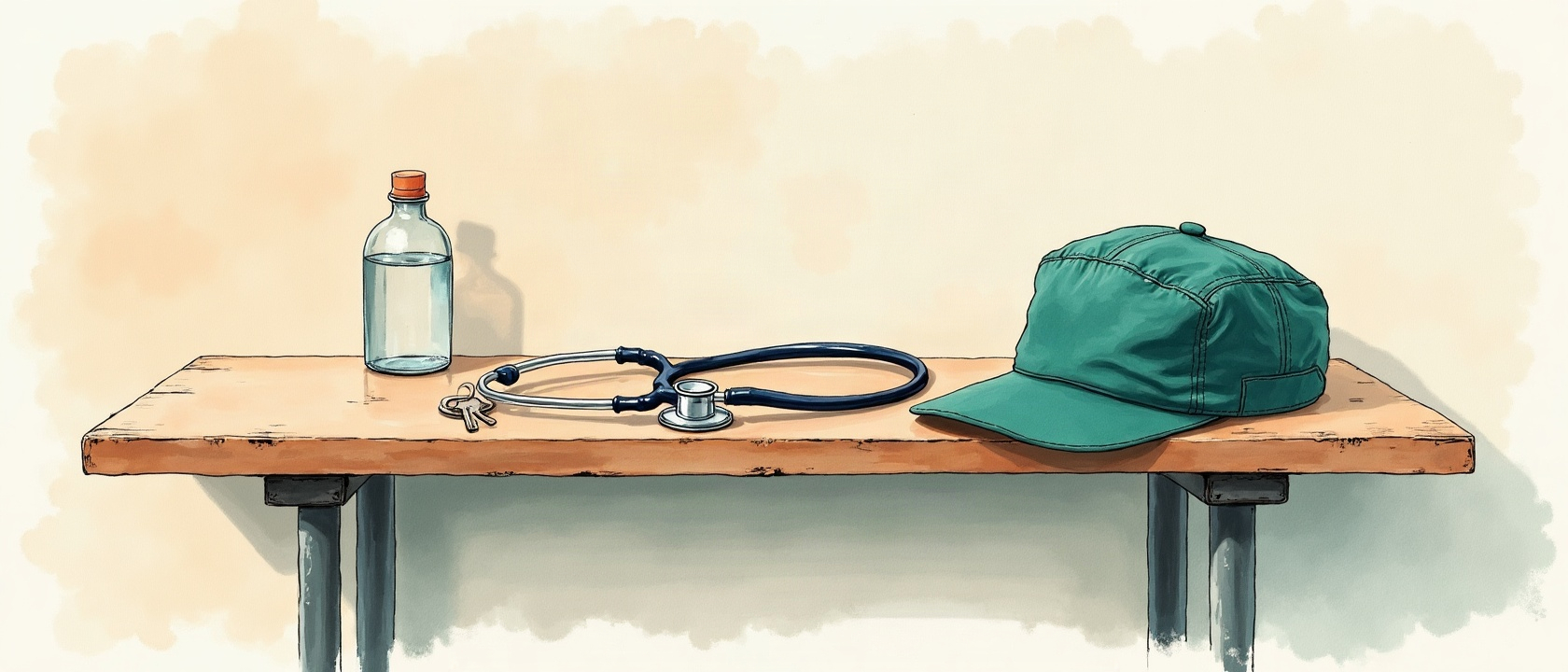
Build an off-ramp you can do even on rough days. Tidy the desk for five minutes, dump open loops onto paper, close the lid, then walk to the lift lobby or the bus stop and take two slow breaths before you check your phone again. These tiny bits are friction you design on purpose.
If your head keeps chewing the same thread at midnight, look under the badge. Sometimes it is anxiety, sometimes low mood wearing work clothes, and both lean hard on steadier sleep. Evenings tend to improve when the last ten minutes are organised on paper, not in the bed.
At home, move the charger to the kitchen and turn the work mail badge off till morning. Keep dinner a meal and leave planning for tomorrow's slot. If you forget, that is all right; reset the off-ramp the next evening and keep going without apology.
Start in your body. Plant your feet, feel your calves, take one inhale and a longer exhale, then stand so your back and jaw actually move. Thirty honest seconds can tilt your state enough that the next choice is calmer while the inbox stays the same. I back whatever helps the next right task.
Use humour like a palate cleanser and pair it with one action. Watch something silly for a minute, then send the mail you were avoiding. If caffeine makes afternoons buzzy, this will help you decide how to test it: Is it normal to feel anxious after drinking coffee?.
Open with the work. Start with the live list and ask for order: 'Here are four active items. I can complete A and B by Thursday, or B and C by Wednesday. Which order helps the team most?' If a promotion sits behind the pressure, read this first: Am I getting a promotion?.
Bring one proposal and one fallback. 'If D can slide to Monday, I will send the draft for A by 5 p.m. tomorrow; otherwise, I will send partials for A and C and ask X for sign-off on the blocker.' Clarity cools the room and records the trade-off you both just accepted.
If your employer runs an assistance programme, use it. 1to1help handles employer-provided counselling and it is free to the employee. Some workplaces offer YourDOST, often free through an employer or university, and it works in 20+ Indian languages. Ask HR where the login link lives.
Care work runs hot. Wards, theatres, triage spaces, and clinics pull on your body and attention while monitors keep beeping as you sip water. Breaks get eaten by codes and urgent calls. I have seen concentration fray after back-to-back surges, which makes small, portable resets worth defending.
Keep resets that fit inside a corridor. Two shoulder shakes by the scrub sink, arms loose for ten seconds, eyes on blank tiles until they soften, and a warm drink you actually finish before you re-enter. Ninety seconds is allowed and can change the next minute you give to a patient.
On off-days, treat sleep like equipment. Anchor two meals and catch morning light. If you nap, keep it short and early, so the next night's sleep comes easier and tomorrow's shift costs less in your body. Hydrate a little more than usual and keep late caffeine modest.
When worry, low mood, poor sleep, and work strain keep circling for weeks, treat it as worth a proper conversation. Read this if you are torn between labels: Am I depressed or anxious?. I practise as a counsellor.
For a first meeting, bring one page: the spikes you feel at work, when they show up, what you have already tried, one hope, and one constraint like budget or shifts. To compare methods, this plain guide helps: Which therapy is best for mental health?. If you want to speak with me, the first conversation is thirty minutes and free; booking runs through a form first. Tonight, write one spike and one step on a sticky and leave it by the door.
What is one fast way to calm down at work?
Plant your palms on the desk and feel the pressure. Take one inhale and a longer exhale, then stand, roll your shoulders, and let your eyes rest on a far point. That small shift often lowers the spike enough for a steadier next step. Add a sip of water and a slow walk to the door and back if you can.
How do I tell my manager I am overloaded without drama?
Keep it about the work and ask for order. Try: 'Here are the active items. I can deliver A and B by Thursday, or B and C by Wednesday. Which order helps most?' If there is a blocker, name it with a clear request for a decision or resource. Calm, short, specific, and time-bound works.
How do I stop thinking about work at night?
Do a ten-minute brain dump before you leave or before dinner. Write the loops, pick tomorrow's first step, and park it on paper. Move your charger to the kitchen and keep notifications quiet till morning. If a thought pops up in bed, say 'park it till 9' and return attention to breath or pillow.
What if coffee or tea makes me jittery at work?
Bodies differ. Test a lighter brew or switch to water after 2 p.m. for three days and notice what changes. Pair any quick reset with one concrete action so the relief turns into movement. For detail on caffeine and anxious feelings, this can help: Is it normal to feel anxious after drinking coffee?.
How many sessions will this take if we speak?
People differ. Some feel steadier after a few conversations and small changes in their day. Others need longer while they test shifts at work and at home. We would look at your context together, adjust as we go, and stop when you feel you are getting what you came for.
Written by Satlaj Sachan, a counsellor in Bengaluru working Book a first conversation.