
Many wake spiky as the body surges before waking. Evening choices and the first 10 minutes shape that jolt. I track patterns, run small tests, and guide when to seek care for physical symptoms.
Short answer. Because the body's arousal system surges near waking, and what you did last night and in the first ten minutes can turn that surge into dread. Change those two zones first: the hour before sleep and the few minutes after your eyes open. Mornings often ease when you do.
In short:
Bodies switch on fast. Around waking, cortisol climbs and heart rate rises while odd dream scraps still float about, and the mind slaps a danger label on the thrum, which makes an ordinary morning feel like trouble before your feet touch the floor. That label arrives quickly because a body prefers a tidy story to a mystery at dawn.
First input matters a lot. If the blue rectangle shouts work or headlines before daylight or water do, your system mobilises for a chase you did not choose, which is excellent for leaving a fire and miserable for a bed. I have watched shoulders drop when a window gets first say.
Short sleep sharpens the jolt. So do late cups, and the kind of alcohol that knocks you out and then wakes you wired at three. Thirst or a tight neck can be read as a reason to mobilise, and the mind reaches for the nearest tag it knows: anxiety.
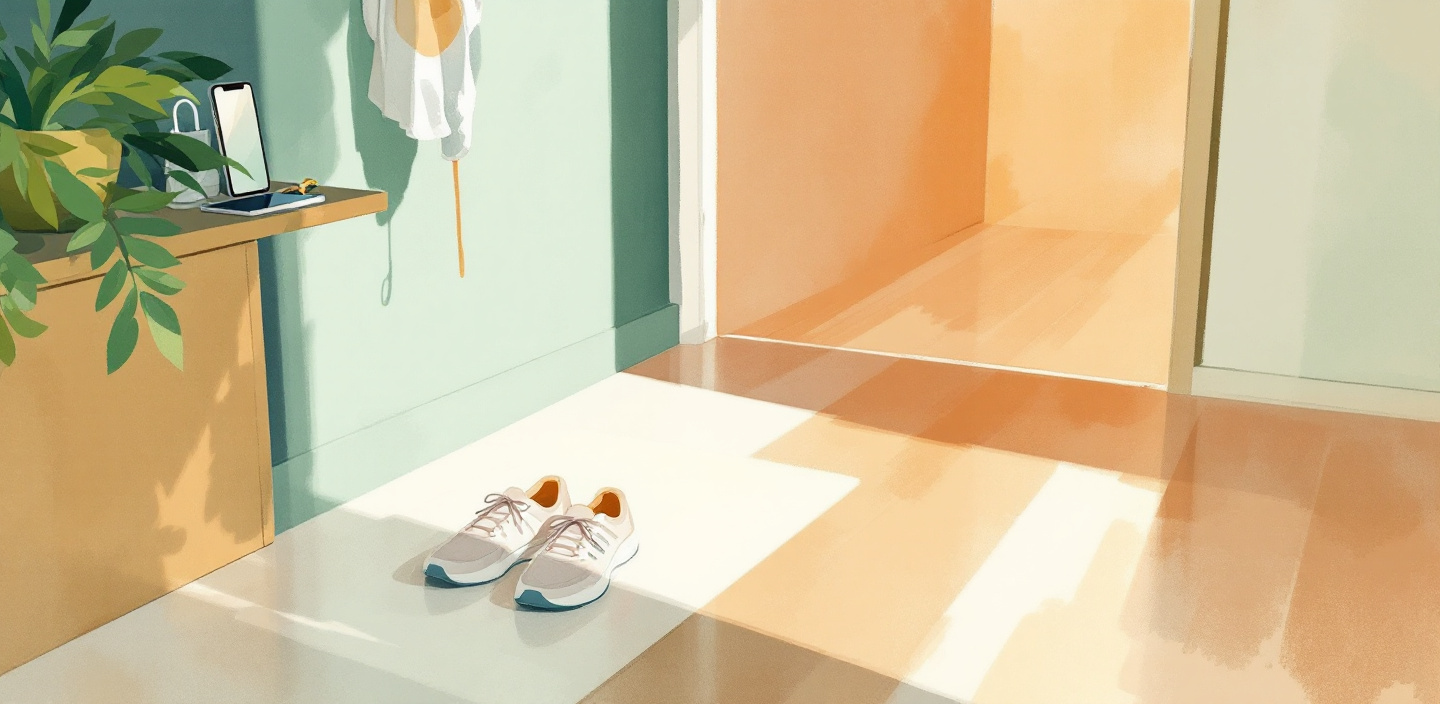
Evenings shape the morning. Shift the stimulating bits earlier, especially the grim, fast feeds that leave your head buzzing, and keep coffee to earlier hours so your body is less revved at dawn the next day. If you drink, pair it with dinner and a tall glass of water, then watch what tomorrow feels like for a week.
Set the room up so the kinder choice is easier. Leave a small gap in the curtain so daylight can find you. Put a glass by the sink and park the phone in the hallway so the first thing your eyes meet is light rather than a demand. This is boring by design.
A gentle loop after dinner can steady blood sugar and take some sting out of the early arousal rise. Start with the lift lobby or the gate if the roads feel loud tonight, and skip it if the day has wrung you out. I care more about the signal than the step count.
Treat them like runway. Light first, every time, and let your eyes go long before you consult anything designed to keep you scrolling, because your brain reads bright sky as a daytime certificate and will quietly turn the alarm dial down. Then water, because swallowing gives the body a job that is not worry.
Some people need a small bite to lower the thrum; a banana or a handful of nuts is fine if you wake shaky. Phones can wait ten minutes; set a silent timer if that removes the itch. If Kannada helps you name what you feel, use this with someone you trust: What are anxiety symptoms, in Kannada words you can use?.
For non-urgent but physical puzzles such as chest pain or repeated fainting, book a medical review. Take notes that help. When you go, say when it starts and what tends to set it off, then mention anything that eases it even a little, and carry a week of one-line mornings.
If the dread on waking keeps shrinking your life, you qualify. That could mean you start late because the hour feels like a cliff, or you reach your desk already braced and curt. I take this seriously because mornings decide whether the day even begins for many people in my room.
We go slow here. I am a counsellor in Bengaluru, practising since 2015, and Rafiq for me means the friend who walks with you while you learn what your mornings are asking for; we test small, honest adjustments and keep only what helps on a Tuesday.
If you are choosing a room, this explainer can help you decide fit: Counselling or therapy: what is the difference, and who should I see?. To compare many named practitioners, TalktoAngel and Practo are directories.
Keep it boring and small. One change at a time for seven days gives you real information, and a one-line morning note in the kitchen is enough to see whether moving caffeine or delaying the phone softens the jolt. I like notes that fit on a receipt from last night's veg shop.
Outside cues settle things. Stand at the balcony rail or the gate and let your eyes find a far object for a minute or two, because distance soothes a system that spent hours staring at a glowing hand-length square. Then go back inside and eat if you need it.
An honest expectation helps. Mornings can soften without becoming lovely; the goal for now is a little less fight so you can start the day without spending an hour unspooling, and you get to call that a win. Tonight, move the charger and put a glass out by the sink. Nothing else.
Why do I wake with a racing heart?
Arousal hormones peak near waking, and your system can read that as danger. Poor sleep or late caffeine can amplify it, and opening the phone straight away keeps it spiky. Meet daylight and water first, then decide whether to eat. If racing arrives with chest pain or fainting, book a medical review.
Is morning anxiety a sign of depression or burnout?
Sometimes they travel together and sometimes they do not. Use function as your compass: if mornings keep shrinking work or relationships, take it seriously and get help. For signs and options, see this map: Burnout symptoms and treatment: what should I look for, and what can help?. Low mood that feels like mud? Am I depressed or just bored?.
Should I meditate as soon as I wake up?
Maybe, if it feels like relief. Many people find a short sitting or a slow count useful once the body has had light and water. Others feel judged by a morning ritual and tense up. Choose the cues that calm you without asking much, and keep any practice short and scruffy.
Will cutting coffee stop morning anxiety?
It can reduce jitter for some people, especially if cups creep late. Try delaying the first cup or shrinking the size for a week and watch what changes. No guarantee either way. If headaches or withdrawal bite, reintroduce gently and work the evening and first ten minutes instead.
What should I tell a doctor if I go?
Describe when symptoms start and what seems to set them off. Also say what helps, even a little. Bring a list of medicines or supplements. Note your usual bedtime and the time of your last caffeine. Keeping one-line notes for a week makes the visit easier and briefer.
Written by Satlaj Sachan, a counsellor in Bengaluru working Book a first conversation.